
Drop a loaded barbell from hip height and roughly 300 to 500 joules has to go somewhere. On a garage slab, most of that energy dissipates sideways through concrete and you hear a dull crack. On a second-floor apartment or a wood-joist basement, the same drop turns your floor into a drum head — the joists flex, the sound couples into the framing, and a neighbor two units away feels it in their ceiling. That single difference, slab versus joists, matters more for your flooring choice than brand, color, or price.
The second variable is what you actually do in the space. A 20-minute kettlebell circuit and a 500 lb rack pull make completely different demands: one needs traction and a little cushion, the other needs a stiff platform that won’t let plates bounce back at your shins. Foam that feels luxurious for planks will bottom out and tear under a squat rack’s footprint within weeks. Below, picks are organized by the two things you can’t change — your subfloor and your noise budget — rather than by marketing copy.
Our top picks


As an Amazon Associate we earn from qualifying purchases at no extra cost to you.
As an Amazon Associate we earn from qualifying purchases.

Quick Comparison
| Flooring Type | Best Subfloor | Noise Control | Typical Thickness | Main Weakness |
|---|---|---|---|---|
| Vulcanized rubber stall mats | Concrete slab | Good for impact, poor for airborne | 3/4 in | Heavy, initial odor |
| Rolled rubber | Concrete or stiff plywood | Moderate | 6–10 mm | Thin under heavy drops |
| High-density EVA foam tiles | Concrete, plywood, over carpet | Light impacts only | 1/2–3/4 in | Dents under rack feet |
| Cork underlayment + rubber top | Wood joists, upper floors | Best for structural transfer | 12–25 mm total | Cost, thickness build-up |
| Plywood + rubber lifting platform | Any, especially joists | Excellent when floated | 1.5–2 in | Fixed footprint, DIY effort |
| Interlocking PVC sport tiles | Damp or uneven slab | Minimal | 1/2 in | Hard surface, hollow sound |
How to Choose
- Identify your subfloor before anything else. Tap the floor with your knuckle. A dead, solid thud means slab. A hollow resonance means joists, and you should assume every drop transmits through the building’s structure.
- Match thickness to your heaviest planned drop. Under roughly 225 lb with controlled lowering, 3/4 in rubber is plenty. Above that, or if you’re dropping deadlifts, you want a layered platform, not thicker mats.
- Separate impact noise from airborne noise. Rubber absorbs the strike. Only decoupling — cork, rubber pucks, or an air gap — stops vibration from traveling into framing and reappearing in another room.
- Check the load rating under point pressure, not area pressure. A rack leg concentrates several hundred pounds into four square inches. Foam rated for foot traffic will permanently compress there even if it handles your bodyweight fine.
- Measure your ceiling height twice. Building a 2 in platform in a garage with an 84 in door opening changes whether you can press overhead. Every layer you add subtracts from your working height.
Top Picks Reviewed
3/4 in Vulcanized Rubber Stall Mats — Best for Concrete Garages
These 4 by 6 ft mats weigh 90 to 100 lb each, and that mass is the point: heavy rubber doesn’t shift when you’re driving out of a squat, and it doesn’t need adhesive on a level slab. Recycled crumb rubber bonded under heat resists plate edges far better than foam. Expect a strong smell for the first two to three weeks — scrub with a degreaser and ventilate. Budget one mat per 24 sq ft and plan on two people per mat for carrying.
8 mm Rolled Rubber — Best Seamless Coverage
Rolls in 4 ft widths eliminate the seams where dumbbells catch and dust collects, which makes them the practical choice for larger open spaces. At 8 mm you get solid traction and enough cushion for machines, conditioning work, and moderate free weights. It is not a drop surface. Pair it with a dedicated platform in the lifting zone and let the roll handle everything else.
High-Density EVA Foam Tiles — Best for Bodyweight and Mobility
Interlocking foam gets unfairly dismissed. For yoga, floor pressing, sled-free conditioning, and kettlebell flows, 3/4 in high-density EVA is comfortable on knees and forearms in a way rubber never is, and it installs over existing carpet in an afternoon. Choose tiles rated by density rather than thickness alone, and put plywood or rubber squares under any rack or bench feet.
Cork Underlayment Beneath Rubber — Best for Apartments and Upper Floors
Cork’s cell structure damps vibration in a frequency range rubber handles poorly, which is why it shows up in recording studios. A 12 mm cork layer under 8 mm rubber gives you a genuinely quiet training surface on a wood-joist floor. Keep the assembly floating — no adhesive to the subfloor, and leave a small perimeter gap so nothing bridges to the walls.
Layered Plywood and Rubber Platform — Best for Heavy Barbell Work
Two sheets of 3/4 in plywood with rubber bonded on top spreads a drop across an 8 by 8 ft area instead of a single point. Built as a floating slab over a rubber-puck or cork base, it is the only realistic way to deadlift heavy above a finished living space. It takes a Saturday and some construction adhesive, but nothing else protects both the floor and your bar knurling as well.
Interlocking PVC Sport Tiles — Best for Damp or Uneven Slabs
Raised-base PVC tiles create a small air channel underneath, which lets a slab that sweats in humid weather breathe instead of trapping moisture against rubber. They snap together over minor unevenness without a self-leveling compound. The tradeoff is a harder, more resonant surface, so reserve them for machine areas and standing work rather than floor exercises.
Frequently Asked Questions
Will rubber mats protect my concrete from dropped plates?
From cosmetic chipping, yes. From cracking, mostly — but a 3/4 in mat does not eliminate impact on a thin or already-cracked slab. If you’re dropping above roughly 315 lb regularly, add a platform. Bumper plates help considerably compared to iron.
Can I put a home gym on the second floor?
For machines, bodyweight work, and dumbbells under about 60 lb, generally yes. Position equipment near a load-bearing wall rather than mid-span where joists flex most. Heavy barbell drops on an upper floor are a structural question, not a flooring question, and worth a quick conversation with a contractor.
How do I get rid of the rubber smell?
Wash both sides with a diluted degreaser or simple green cleaner, then let the mats air out in a ventilated space or outdoors in shade for a week. The odor comes from vulcanization residue and fades on its own, though thick recycled mats can take a month in a closed garage.
Do I need to glue the flooring down?
Rarely. Mass and friction hold heavy rubber in place. Glue is only worth it for thin rolled rubber in high-traffic areas, or edges that curl. Leaving flooring loose keeps the option to reconfigure the space and, on wood floors, avoids a decoupling shortcut you’ll regret.
Final Thoughts
Buy for your worst-case load and your quietest neighbor, not your average workout. Most regret in home gym flooring traces to one of two mistakes: choosing foam for a space that eventually saw a barbell, or laying rubber directly on joists and discovering that impact noise travels through framing regardless of how thick the top layer is. Get the subfloor read right, spend the money on decoupling if you’re above someone, and a well-chosen floor will outlast several rounds of equipment upgrades.
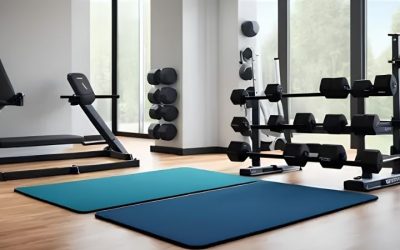
Best Gym Mat for Home: Design the Surface by Task
The best gym mat for home depends on which area it serves. A surface for floor exercises, a covering beneath a machine and a weight-handling area have...
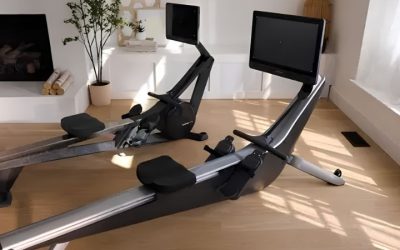
Best Rowers for Home Gym: Permanent Placement or Daily Storage
The best rowers for home gym use should be compared in two states: ready for a full rowing movement and put away according to their instructions. A...
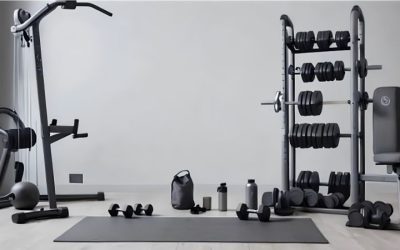
Best Weight Home Gym: Plan Stations and Working Space
The best weight home gym should be compared as a complete activity area, not just a frame that fits against a wall. A multi-station machine, cable...
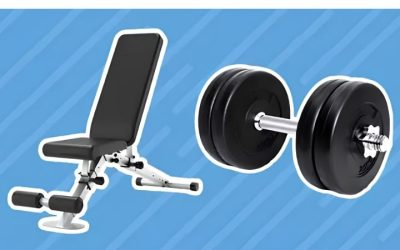
Best Home Gym Equipment for Beginners: Plan a First Practice Space
The best home gym equipment for beginners should fit a small set of activities you understand and a room you can actually make available. Begin with...
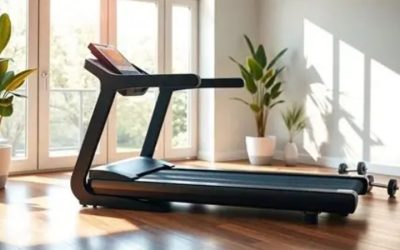
Best Treadmills for Home Gym: Use, Installation and Ownership
The best treadmills for a home gym should be compared by the walking or running use they support and the space needed to operate them. Begin with the...
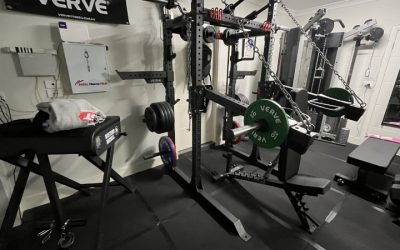
Best Compact Home Gym: Working Space and Storage
The best compact home gym is a setup that gives your chosen activities enough room to work. Start with the complete movement area, then decide which...
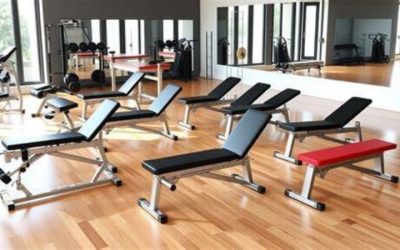
Best Adjustable Bench for Home Gym: Positions and Practical Fit
The best adjustable bench for home gym use is the bench that supports your planned exercises in the room where they will happen. Begin with the...
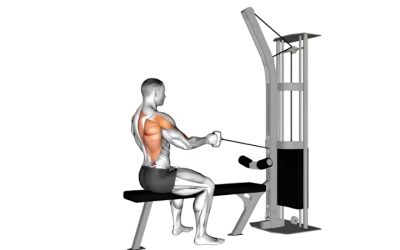
Best Cable Machine for Home Gym: Adjustments, Resistance and Fit
The best cable machine for home gym training should be chosen around a specific exercise plan. Start with the movements and positions you want, then...
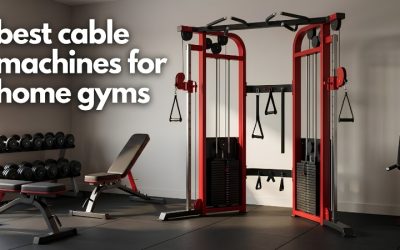
Best Cable Machines for Home Gym: Layouts and Working Space
The best cable machines for home gym use are the ones whose working layout matches the movements you want to perform. Start by comparing the space each...
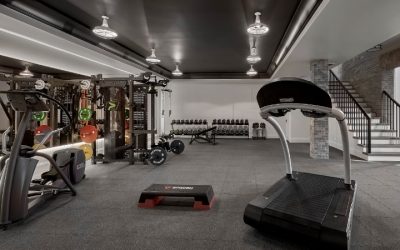
Best Home Gym Setup: Improve Preparation, Access and Reset
The best home gym setup is one that works after the equipment has arrived, not only in the original floor plan. Review how the room supports...
Write Your Review
No reviews yet. Be the first to share your experience!