
A friend of mine cracked two tiles in his basement floor before he figured out that the problem wasn’t his deadlift form — it was the quarter-inch yoga mat he’d been standing on. Concrete is unforgiving, laminate scratches, and the thin foam pad that came free with a dumbbell set does almost nothing when 185 pounds of loaded barbell comes down from lockout height. Flooring is the least glamorous purchase in a home gym and the one that quietly determines whether you’ll still be training in that room a year from now.
The good news: the category has matured. You can buy 8mm nitrile rubber mats that roll up like a rug, half-inch EVA puzzle tiles for under a dollar a square foot, and vulcanized rubber rolls that are essentially the same stuff sitting under commercial squat racks. The trick is matching material to what you actually do — a Pilates convert and a powerlifter need almost opposite products. Below are the setups worth your money, how they compare, and what to check before you order 200 square feet of anything.
Our top picks


As an Amazon Associate we earn from qualifying purchases at no extra cost to you.
As an Amazon Associate we earn from qualifying purchases.

Quick Comparison
| Pick | Material | Typical Thickness | Format | Best For |
|---|---|---|---|---|
| Gorilla Mats Premium Large Exercise Mat | Nitrile rubber blend | 8 mm | Single roll-up mat | Bodyweight, yoga, apartments |
| ProsourceFit Extra Thick Puzzle Mat | High-density EVA foam | 1/2″ – 3/4″ | 24″ interlocking tiles | Cushioned cardio, kids’ spaces |
| IncStores Rubber Gym Tiles | Recycled crumb rubber | 3/4″ | 2′ x 2′ interlocking tiles | Free weights, awkward rooms |
| Rogue Fitness Rubber Rolls | Vulcanized recycled rubber | 8 mm – 3/8″ | 4′-wide rolls | Full-room seamless builds |
| Heavy Rubber Stall Mats | Dense vulcanized rubber | 3/4″ | 4′ x 6′ slabs | Platforms, cheapest heavy-duty option |
| BalanceFrom Puzzle Exercise Mat | EVA foam | 1/2″ | 12″ or 24″ tiles | Tight budgets, small footprints |
How to Choose
- Start with your heaviest impact, not your average workout. If a loaded bar or a 70-pound dumbbell will ever hit the floor, you need dense rubber at 3/4″ under the drop zone. Foam compresses permanently and transmits the shock straight through.
- Know what’s underneath. Bare concrete tolerates almost anything. Wood subfloors and second-story rooms need thickness plus mass for sound damping, and vinyl plank can be stained by cheap recycled rubber — look for products labeled non-staining or put down a moisture barrier.
- Weigh the install against your patience. Rolls give you a seamless surface but a 4′ x 25′ roll can top 200 pounds and needs two people and a utility knife. Tiles carry in one at a time and cut around door frames without drama.
- Smell matters more than reviews admit. Recycled rubber off-gasses for days to weeks. In a ventilated garage it’s a non-issue; in a closed spare bedroom, pay up for nitrile or vulcanized rubber, which are noticeably milder.
- Measure twice, then add 10%. Account for cuts, waste, and the fact that rack feet and bench legs eat coverage. Buying one extra tile is cheap; a second shipping charge is not.
Top Picks Reviewed
Gorilla Mats Premium Large Exercise Mat
This is the mat for people who don’t have a dedicated gym room. It’s a single continuous sheet of nitrile-blend rubber, commonly sold in 6′ x 4′ and 8′ x 4′ sizes, thick enough to make kneeling and plank work comfortable on concrete yet flexible enough to roll into a closet. Grip is the standout: it stays put under lateral movement and doesn’t get slick with sweat the way PVC yoga mats do. It’s not a drop surface, so keep the barbell off it, but for kettlebell flows, mobility work, and follow-along programs it’s the most pleasant floor here.
ProsourceFit Extra Thick Puzzle Exercise Mat
High-density EVA tiles in a 24″ format, usually sold in packs covering 24 square feet, with removable border pieces so the finished area looks intentional rather than improvised. The half-inch version handles jump rope and bodyweight circuits well; the thicker option is worth it if children share the space. Expect indentations from static equipment — treadmill feet and rack posts will leave marks — so treat this as a cushioning layer rather than a structural one.
IncStores Rubber Gym Tiles
My default recommendation for a real strength setup in a room with odd angles. Recycled crumb rubber at 3/4″ gives you genuine drop protection, the interlocking edges hold tight without adhesive, and 2′ x 2′ pieces are manageable to carry down stairs. The tradeoff is weight and initial odor. Lay them out, run a fan for a week, and you’ll have a floor that behaves like a commercial gym for a fraction of a full roll install.
Rogue Fitness Rubber Rolls
When you want the whole room done properly, rolls beat tiles. There are no seams to catch a dropped plate, no gaps collecting chalk dust, and the vulcanized rubber Rogue sells is dense and low-odor compared to bargain recycled stock. It’s the priciest route per square foot and the install is genuinely physical — plan on a helper, a fresh blade, and letting the material relax flat for a day or two. The payoff is a surface that looks and feels finished.
Heavy Rubber Stall Mats
The garage-gym world’s worst-kept secret. Sold for horse stalls in 4′ x 6′ by 3/4″ slabs, these are the cheapest dense rubber per square foot you can buy, and they’re what many lifters put under a deadlift platform. Each one weighs roughly 100 pounds, the smell is strong at first, and edges can be irregular enough that you’ll want to trim them straight. If you’re covering a drop zone on a budget and can handle the labor, nothing competes.
BalanceFrom Puzzle Exercise Mat
The entry point. Half-inch EVA tiles, available in small-format 12″ pieces or standard 24″ squares, at a price that makes it easy to cover a corner of a bedroom. It won’t survive heavy iron and it will dent, but for stretching, a spin bike, or protecting hardwood from a bench, it does the job for very little money — and the modular sizing means you can expand square foot by square foot.
Frequently Asked Questions
How thick does gym flooring need to be for dropping weights?
Three-quarter-inch dense rubber is the practical minimum for dropping loaded barbells, and serious Olympic lifters usually add a plywood-and-rubber platform on top. For dumbbells set down under control, 8mm to 3/8″ rubber is adequate. Foam of any thickness is not a drop surface.
Can I put rubber flooring directly over carpet?
You can, and plenty of people do, but the carpet pad underneath compresses unevenly, which makes racks and benches feel unstable. Interlocking tiles handle it better than rolls. If the equipment wobbles, slide a sheet of plywood between the carpet and the rubber.
Will rubber flooring damage or stain my subfloor?
Cheap recycled rubber can leach oils that discolor vinyl and light-colored finishes. Look for products explicitly marketed as non-staining, or lay a polyethylene moisture barrier first. On sealed concrete this is rarely a concern.
Do foam tiles work for a treadmill or exercise bike?
They dampen vibration and protect the floor, but concentrated weight on small feet will permanently dent EVA foam. For any machine you plan to leave in place, use rubber under the footprint and save the foam for the surrounding area.
Final Thoughts
Build in layers rather than buying one product for everything. Most home gyms end up with a dense rubber zone where the weights live, a comfortable mat where the mobility and bodyweight work happens, and cheap foam filling out the edges — and that combination costs less than blanketing the room in premium rolls. Decide where the heaviest thing you own will land, over-spec that spot, and be pragmatic everywhere else. Do it once and you’ll forget the floor exists, which is exactly the point.
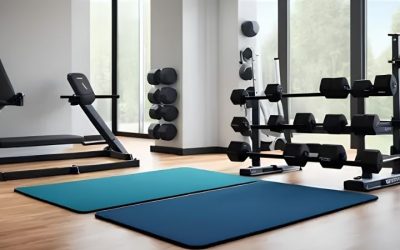
Best Gym Mat for Home: Design the Surface by Task
The best gym mat for home depends on which area it serves. A surface for floor exercises, a covering beneath a machine and a weight-handling area have...
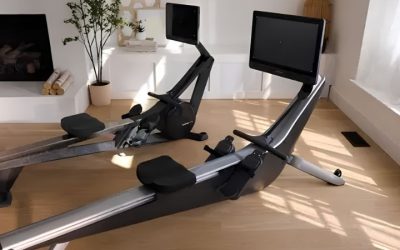
Best Rowers for Home Gym: Permanent Placement or Daily Storage
The best rowers for home gym use should be compared in two states: ready for a full rowing movement and put away according to their instructions. A...
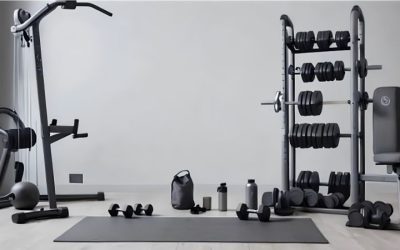
Best Weight Home Gym: Plan Stations and Working Space
The best weight home gym should be compared as a complete activity area, not just a frame that fits against a wall. A multi-station machine, cable...
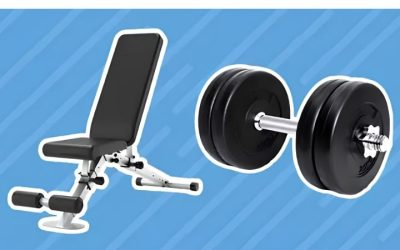
Best Home Gym Equipment for Beginners: Plan a First Practice Space
The best home gym equipment for beginners should fit a small set of activities you understand and a room you can actually make available. Begin with...
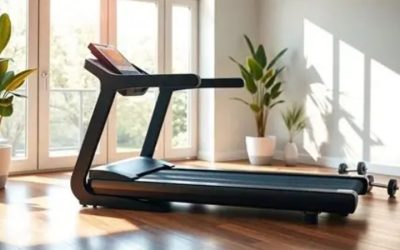
Best Treadmills for Home Gym: Use, Installation and Ownership
The best treadmills for a home gym should be compared by the walking or running use they support and the space needed to operate them. Begin with the...
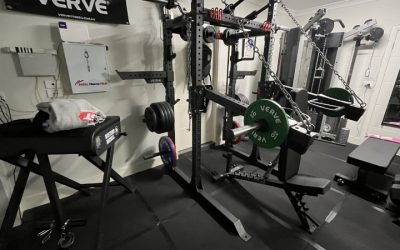
Best Compact Home Gym: Working Space and Storage
The best compact home gym is a setup that gives your chosen activities enough room to work. Start with the complete movement area, then decide which...
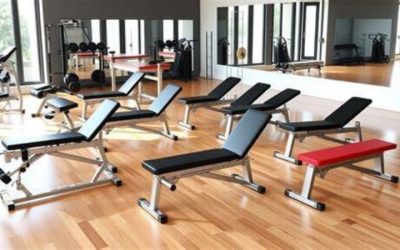
Best Adjustable Bench for Home Gym: Positions and Practical Fit
The best adjustable bench for home gym use is the bench that supports your planned exercises in the room where they will happen. Begin with the...
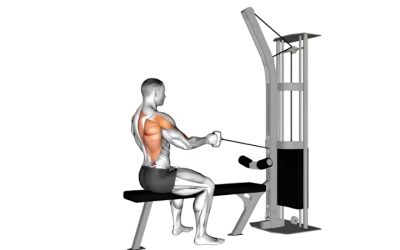
Best Cable Machine for Home Gym: Adjustments, Resistance and Fit
The best cable machine for home gym training should be chosen around a specific exercise plan. Start with the movements and positions you want, then...
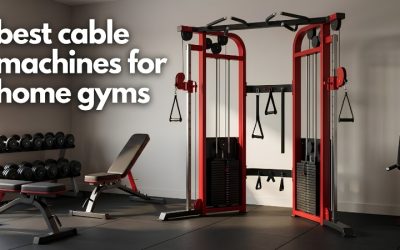
Best Cable Machines for Home Gym: Layouts and Working Space
The best cable machines for home gym use are the ones whose working layout matches the movements you want to perform. Start by comparing the space each...
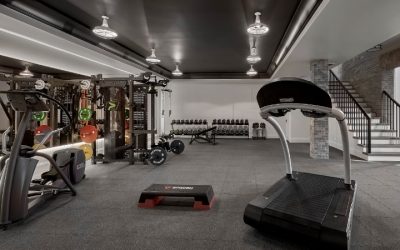
Best Home Gym Setup: Improve Preparation, Access and Reset
The best home gym setup is one that works after the equipment has arrived, not only in the original floor plan. Review how the room supports...
Write Your Review
No reviews yet. Be the first to share your experience!