
The best kettlebell training at home starts with learning a small number of movements well, then arranging a repeatable session around them. Begin with controlled lifting before treating faster swings or overhead work as compulsory. Your equipment and room should support that learning process, rather than determine how much weight or complexity you attempt.
This guide provides practical selection and use considerations. It does not report hands-on product testing.
A useful starting plan has a familiar movement, an appropriate load, time to reset and a way to record what happened. It does not require a complete collection of bells. If you are unsure about technique or exercise suitability, work with a qualified instructor who can assess your movement.
Use a controlled lift as a foundation
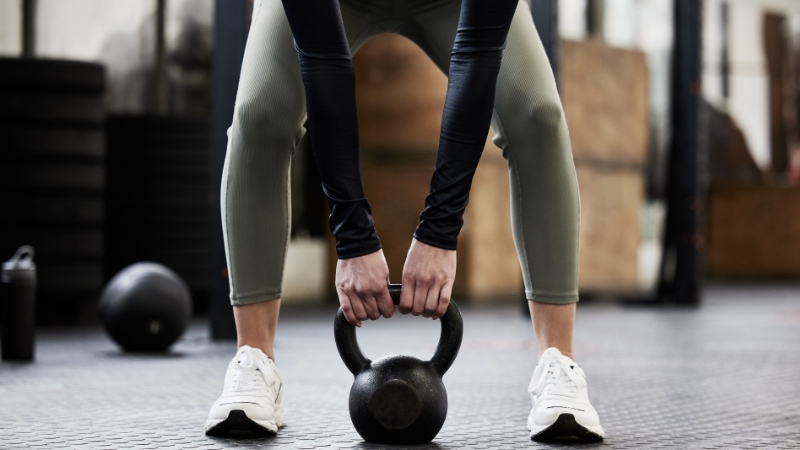
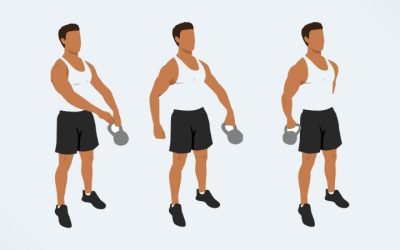
ACE’s introductory kettlebell guidance includes the deadlift: bend through the hips with some knee bend to grasp the bell, maintaining a straight back, then extend the hips to stand. Learn the complete lowering and finishing sequence as well as the lift. Practise with a manageable load rather than selecting a weight from a universal starting chart.
Choose one version you understand and keep its setup consistent while learning. A repetition that feels different each time raises a technique question before it raises a shopping question. Do not solve uncertainty by adding speed or by choosing a more complicated exercise.
Give each movement a purpose
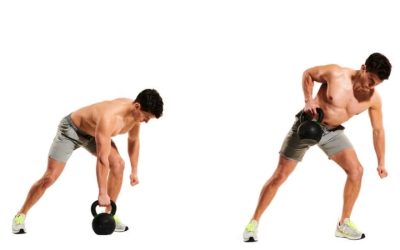
A controlled lift, a squat variation and a carry can serve different roles in a suitable program. They need their own instruction and may call for different loads. Select the movements your plan requires instead of assuming one bell and one technique cover every possible activity.
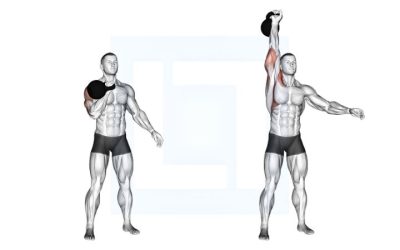
A swing introduces dynamic handling and should be learned as a separate skill. An overhead exercise adds another movement path and setup requirement. Neither is necessary merely because it appears in a kettlebell video. Build the session from familiar work, then learn additions deliberately.
Organize practice before chasing a total
Write down the planned exercise, load and the workload from a program appropriate to you. Leave time between sets to reset position and check control. If the movement deteriorates, stop and review the cause rather than using momentum to complete a target.
Record a few useful observations afterward: whether the setup was manageable, whether the chosen load suited the movement and what instruction you need next. A clear training note is more useful than judging a session solely by how many bells were used or how exhausted you felt.
Mark the room’s active zone
Separate the exercise area from normal circulation. Include the space occupied by your body and equipment throughout the intended movement, not only where you stand initially. Check nearby shelving, lights, tables and window treatments before deciding a visually empty corner is suitable.
A room sketch can help distinguish working space from storage. Keep the area available without repeatedly moving heavy furniture. If the activity cannot be accommodated, choose a different location or discuss another exercise with your instructor; room design should not force an improvised technique.
Choose equipment for the established plan
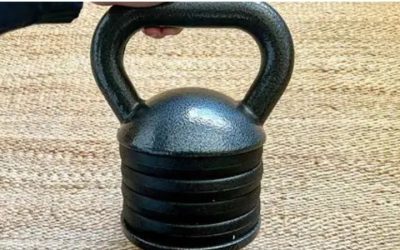
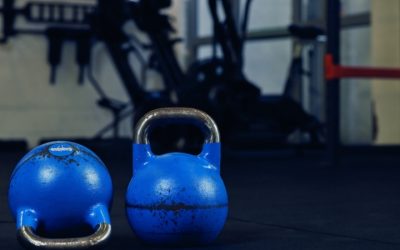
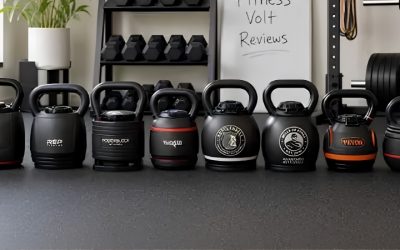
Compare handle opening, body shape and the loads you need. With adjustable bells, check the exact settings and selection process. With fixed bells, consider whether the next available load is appropriate rather than assuming every increase must happen immediately.
Product listings to compare
As an Amazon Associate we earn from qualifying purchases. Compare the selected variant and its current description with the requirements above.
Our top picks
 Kettlebell Training
- Publisher : Human Kinetics
- Edition : Second
- Language : English
 Men's Health No Gym Required: Kettlebells
30-day program with 36 additional workouts for variety
Spiral binding with snap-in page holder lies flat for use
Step-by-step illustrations guide proper kettlebell form
Kettlebell itself is not included with the planner
Program follows a fixed 30-day structure, not customizable length


 Palace Learning QUICKFIT Kettlebell Workout Exercise Poster
- Orientation: Landscape
- Item Shape: Rectangular
- Theme: Workout
3 MIL lamination resists tearing and moisture in a home gym
Large 18 by 24 inch size is easy to read from a distance
Illustrated guide covers a full kettlebell routine at a glance
Static poster cannot demonstrate movement or pacing like video
Limited to the specific routine printed, not customizable


 NewMe Fitness Kettlebell Workout Cards
- Educational Objective: Physical Fitness and Motor Skills
- Age Range Description: Adult
- Set Name: Kettlebell Workout Cards
50 exercise cards cover a wide range of kettlebell moves
Moisture-resistant plastic holds up better than paper cards
Blank card lets you write in a custom routine
Compact 3.5 by 5 inch cards show limited illustration detail
Deck covers kettlebell moves only, not other equipment
As an Amazon Associate we earn from qualifying purchases at no extra cost to you.
Integrate storage without making it a display project
Give each bell an appropriate low resting position outside the working area. Use supports suitable for its weight and follow floor-care guidance when selecting protection. A matching collection is unnecessary if its extra pieces do not serve the program.
Keep the surroundings simple enough to retrieve equipment without reaching behind decorative objects. Clean the bell and its resting surface according to their instructions. An orderly corner should make preparation easier, not encourage placing heavy equipment on furniture chosen only for appearance.
When should the plan change?
Review the routine when your program calls for a change or when a clear limitation appears. Change one identifiable element rather than adding load, speed and complexity together. Pain or uncertain movement needs assessment. The aim is a session you understand and can organize consistently, with equipment purchases following actual training needs.
Additional product links
- Start 30-Day Prime Free Trial →
- See Today’s Amazon Deals
- ▸ Try Amazon Prime — free 30-day trial
- ▸ Start an Audible Premium Plus free trial
- ▸ Read free with Kindle Unlimited
Related reading
- Best kettlebell training
- Chris Parker
- Best Kettlebell Weight for Men: How to Pick the Right Size
- Best Kettlebell Ab Exercises: 6 Adjustable and Fixed Picks
- Best Kettlebell Core Exercises: 6 Picks for Floor Space
- Best Kettlebell Exercise for Abs: 5 Bells for Long Holds
- Best Kettlebell Ab Workout: 6 Bells Sized for Circuit Work
- Hot yoga mat best
- Best dumbbells exercises
- Best workout dumbbells
- Best back exercises using dumbbells
- Best exercise upright bike
- Best exercise stationary bike
- Best Workout Kettlebell: 6 Bells Matched to Your Training
- Best Resistance Training Bands: Build a Set That Progresses
Write Your Review
No reviews yet. Be the first to share your experience!