
Key takeaways
- Warranty Description: 2 years
- Item Dimensions L x W: 8.82"L x 7.01"W
- Handle Diameter: 28 millimeters
A rack of five cast-iron bells eats roughly four square feet of floor and about $400 by the time you cover 8 to 40 pounds. That math is why adjustable kettlebells exist, and why the category lives or dies on two unglamorous details: whether the handle stays honest when your palms are wet, and whether the load stays locked when you snap a bell overhead. Everything else — finish, branding, app bundles — is decoration.
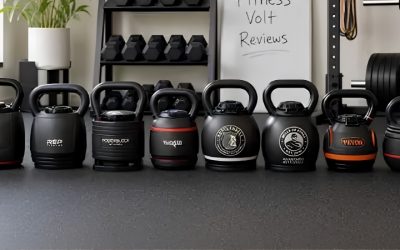
This roundup is graded on those two axes. Grip means handle width, cross-section thickness, coating texture, and whether the window between handle and bell body clears a forearm without pinching. Load means the integrity of the selection mechanism under rotational force, plus how the mass sits relative to the handle during a clean or a rack hold. Below is the pick that survived that filter, with a spec snapshot, a buying checklist, and answers to the questions people actually ask before spending on one.
Our top picks
 BowFlex SelectTech 840 Adjustable Kettlebell
- Warranty Description: 2 years
- Item Dimensions L x W: 8.82"L x 7.01"W
- Handle Diameter: 28 millimeters

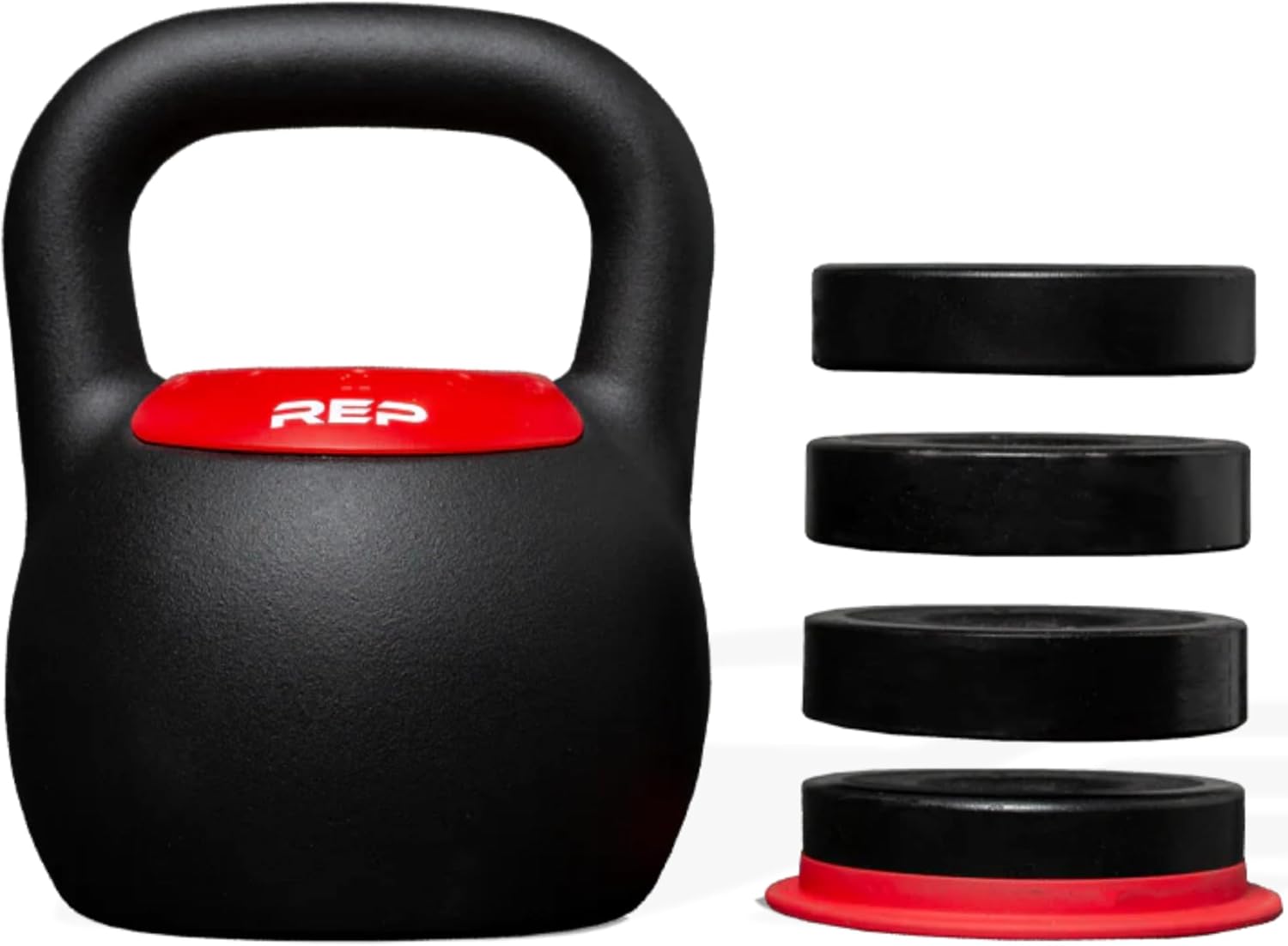 Rep Fitness Adjustable Kettlebell
- Handle Diameter: 1.3 inches
- Material: Iron
- Recommended Uses For Product: Cross Fit, HIIT, Weight Lifting



As an Amazon Associate we earn from qualifying purchases at no extra cost to you.
As an Amazon Associate we earn from qualifying purchases.

Quick Comparison
| Pick | Load Range | Settings | Adjustment Style | Handle Character | Best Suited To |
|---|---|---|---|---|---|
| BowFlex SelectTech 840 Adjustable Kettlebell | 8–40 lb | 6 (8, 12, 20, 25, 35, 40 lb) | Rotating dial on the base | Wide, flattened bar with textured finish | Home and apartment training, swing-to-press circuits, travel-light setups |
How to Choose
- Handle geometry over handle looks. Measure the span you can actually grip two-handed. Anything under about four inches of clear bar forces your hands to stack awkwardly on heavy swings. A slightly flattened cross-section resists rolling in the palm better than a perfectly round one.
- Interrogate the lock, not the dial. Ballistic lifts apply torque, not just downward pull. Look for mechanisms that physically capture the plates rather than relying on friction, and test the setting by shaking the bell hard before your first swing.
- Match the range to your weakest lift, then your strongest. Your press ceiling and your swing floor should both fall inside the range. If your two-hand swing already wants 45 pounds, an 8–40 unit becomes an accessory tool, not a primary one.
- Check the bell profile for racking. Adjustable designs are boxier than cast iron. Before buying, look at photos of the unit in the rack position — a squared shell with hard edges will bruise a forearm during cleans in a way a rounded one won’t.
- Respect the drop rule. Almost every adjustable bell contains a plastic-shelled selection system that is not built to be dropped from height. If your training involves releasing the bell, plan on a mat, or plan on a repair.
Top Picks Reviewed
BowFlex SelectTech 840 Adjustable Kettlebell
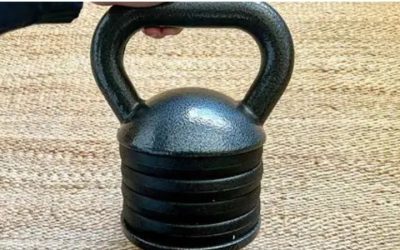
The 840 replaces six bells with one dial. Twist the collar at the base, and internal plates either engage or stay behind in the cradle, giving you 8, 12, 20, 25, 35, and 40 pounds. In practice the changeover takes about three seconds, which matters more than it sounds: it makes descending sets and swing-to-press ladders realistic at home, where hunting for the right bell usually kills the pace of a circuit. The footprint is roughly that of a shoebox, so it tucks under a desk or into a closet instead of colonizing a corner.
Grip is where it earns its rating. The handle is broad and slightly flattened rather than a thin round bar, which spreads pressure across the palm and keeps the bell from spinning during high-rep two-hand swings. There’s enough clearance for both hands side by side, and the textured finish holds up once sweat arrives — though it takes chalk poorly compared with bare cast iron, so a towel is the better fix. Load behavior is solid within the design’s intent: the plates seat firmly at each setting, and there’s no rattle in the top position during cleans or racked squats. The tradeoffs are honest ones. The bell body is bulkier and more angular than a traditional kettlebell, so a competition-style rack position takes some adjustment, and the 40-pound ceiling will eventually feel light for two-hand swings even if it stays challenging for single-arm pressing. It is also a bell to set down deliberately, never to drop.
Who it’s for: anyone building a compact home setup who wants one purchase to cover warm-up halos through heavy single-arm work, and who trains on a floor they’d rather not repair. Who should skip it: lifters chasing snatch volume with a 50-pound-plus bell, or anyone whose programming depends on releasing the weight.
Frequently Asked Questions
Can you really swing an adjustable kettlebell safely?
Yes, provided the mechanism captures the plates mechanically and you confirm the setting before the first rep. Give the bell a hard shake and a light hip-height swing to verify. The genuine limitation isn’t the swing — it’s the release. Treat these as bells you always set down under control.
Is 40 pounds enough weight to keep progressing?
For single-arm presses, cleans, snatches, Turkish get-ups, and most unilateral work, 40 pounds is a long runway for the majority of lifters. Two-hand swings and heavy deadlift variations outgrow it fastest. When that happens, the usual move is to add one heavy cast-iron bell and keep the adjustable for everything below it.
Does the handle chew up your hands?
A wide, textured handle is gentler on calluses than a narrow knurled bar, but it grips chalk less effectively. Most people do better wiping the handle dry between sets than dusting it. If you’re running long swing sets, thin gloves or a chalk-free grip aid are reasonable additions.
Is one adjustable bell actually cheaper than buying individual weights?
Usually, and by a wide margin once you count three or more weights. Six separate bells covering the same span cost several times as much and demand real floor space. The counterargument is redundancy: one adjustable unit is a single point of failure, whereas a broken cast-iron bell is not a concept that exists.
Final Thoughts
Adjustable kettlebells were once a compromise you tolerated for the space savings. The BowFlex SelectTech 840 is the version where that stopped being true for most home training — the handle is wide enough to swing honestly, the dial is quick enough to keep a circuit moving, and the six-setting spread covers the range where the majority of kettlebell work actually happens. Buy it understanding its two rules: don’t drop it, and expect to supplement it with a heavier bell if your swings keep climbing. Inside those boundaries, it does the job of a full rack in the space of a shoebox, which is precisely the point.
Best Kettlebell Weight for Men: Plan the First Purchase
The best kettlebell weight for men is not one number that applies to every man or every lift. Choose the movement and obtain an appropriate load...
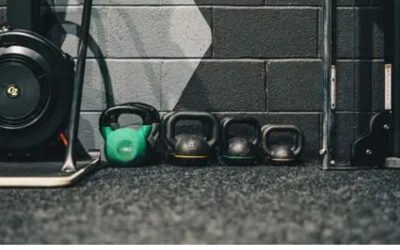
Best Kettlebell Ab Exercises: Movement, Control and Equipment
The best kettlebell ab exercises need not involve endless weighted sit-ups. Abdominal training also includes keeping the trunk steady while another...
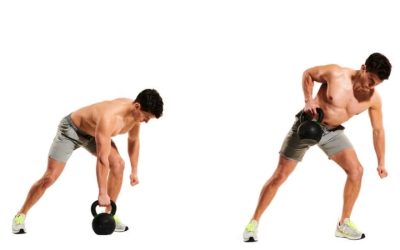
Best Kettlebell Core Exercises: Controlled Practice at Home
The best kettlebell core exercises should help you practice control, with a setup you understand and room to complete the movement. Core work does not...
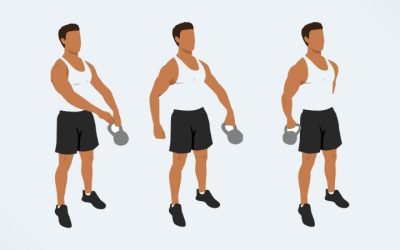
Best Kettlebell Exercise for Abs: Understand the Suitcase Carry
The suitcase carry is a kettlebell exercise worth understanding when looking for an abs and core-focused movement. Its task is to carry a weight at one...
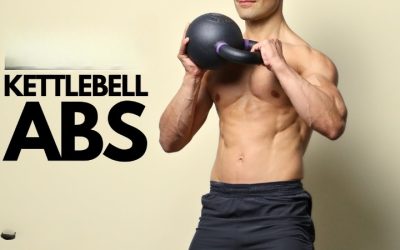
Best Kettlebell Ab Workout: A Controlled Core Practice
A kettlebell ab workout can focus on controlling the trunk during familiar movements rather than adding complicated twists. One example is an organized...
Best Kettlebell Weight: Choose for the Movement
The best kettlebell weight is specific to the movement and the person using it. Choose a load that allows the exercise to be performed with control,...
Best Kettlebell Routine: Choosing Loads and Organizing Practice
The best kettlebell routine for your home starts with a load you can control in the exercise being performed. Choosing a bell first and forcing every...
Best Kettlebell Routines: A Clear Home Practice Plan
The best kettlebell routines are organized around movements you can perform with control. For a home practice, a short sequence with deliberate rest...
Best Kettlebell Training: Technique, Session Planning and Setup
The best kettlebell training at home starts with learning a small number of movements well, then arranging a repeatable session around them. Begin with...
Best Workout Kettlebell: Handling and a Clear Exercise Zone
The best workout kettlebell should be chosen for the way it will be handled in your established routine. Start with the required load, grip and body...
Write Your Review
No reviews yet. Be the first to share your experience!