
The best kettlebell weight is specific to the movement and the person using it. Choose a load that allows the exercise to be performed with control, rather than assigning one number to every beginner or every routine. A bell suitable for one task may be unsuitable for another position.
This guide provides practical selection and use considerations. It does not report hands-on product testing.
For a home purchase, this means choosing the exercise plan before filling a storage area with weights. Begin with movements you have learned and obtain appropriate instruction where needed. The equipment should follow those requirements, not create pressure to attempt unfamiliar exercises because a particular bell is available.
Name the movement before the weight
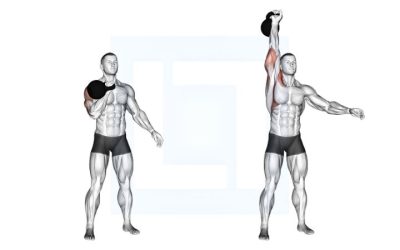
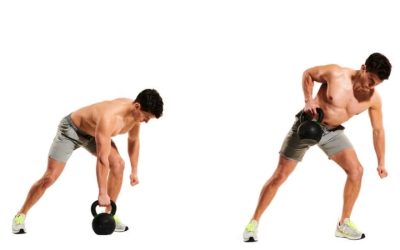
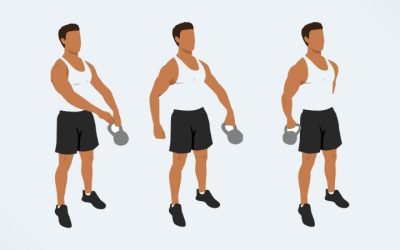
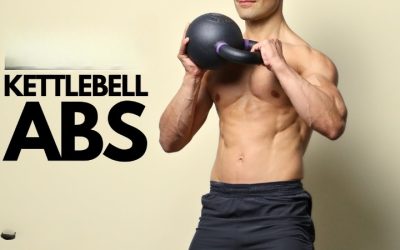
Write down the exercises the purchase is intended to support. Distinguish a lift from the floor, a chest-held movement and an overhead task if those belong to your plan. Their different positions are a reason to assess the load separately, not a reason to prescribe a universal conversion between them.
Do not choose a bell from an isolated demonstration of carrying it. The whole exercise includes its starting position, movement and return. Use qualified guidance to assess those parts rather than treating the ability to pick up the object once as the complete decision.
Keep technique ahead of a heavier purchase
ACE’s beginner kettlebell guidance emphasizes that a heavy starting weight should not take priority over technique. Apply that principle to the shopping decision: resolve the movement first, then compare suitable loads. A larger number does not make an unclear setup more useful.
Practice and instruction can reveal what question remains. You may need to understand a grip, a starting position or a transition. Buying another bell should answer an identified equipment requirement, not serve as a substitute for that learning.
Product listings to compare
As an Amazon Associate we earn from qualifying purchases. Compare the selected variant and its current description with the requirements above.
Our top picks

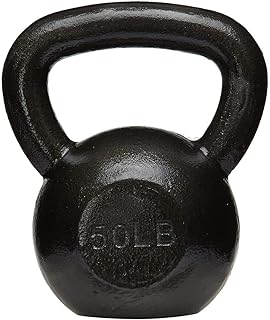
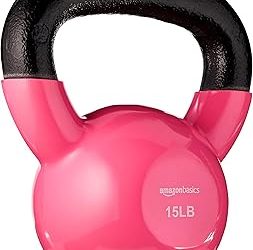
 Amazon Basics Vinyl Kettlebell
- Item Dimensions L x W x H: 6.88"L x 4.3"W x 7.5"H
- Handle Diameter: 1.125
- Material: Iron
Vinyl coating protects floors and reduces drop noise
Flat base keeps the kettlebell stored upright in place
Wide curved handle allows a one- or two-hand grip
Fixed 15-pound weight with no adjustability
Additional weight sizes must be purchased separately

 Amazon Basics Vinyl Kettlebell
- Item Dimensions L x W x H: 6.02"L x 6.02"W x 8.58"H
- Handle Diameter: 1.18 inches
- Material: Cast Iron
Orange vinyl coating protects floors and muffles drop noise
Flat base keeps it stored upright between uses
Wide curved handle works for one- or two-hand grips
Fixed 20-pound weight with no adjustability
Additional weight sizes are sold separately



As an Amazon Associate we earn from qualifying purchases at no extra cost to you.
Read the units and the selected option
Check the weight unit in the listing and on the actual product. Do not compare numbers without checking whether they describe the same unit. Keep the selected size in your notes when moving between sellers or product variations.
Confirm whether the offer supplies a single bell, a set or an adjustable configuration. The product family may include options that differ from the prominent photograph. A clear package description prevents the maximum shown in an advertisement from becoming an assumption about what arrives.
Examine the usable steps
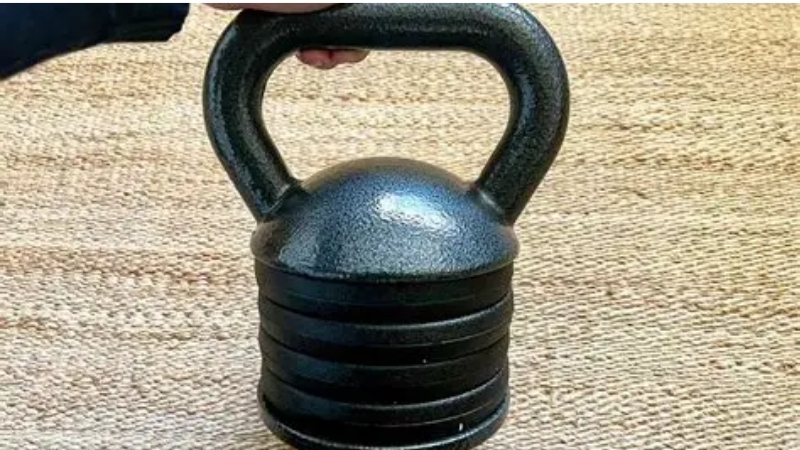
Compare the specific weights available rather than assuming every range progresses in identical increments. If choosing adjustable equipment, read which settings are supported and how each is secured. Check that the intended exercises are among its permitted uses.
A wide advertised range can be attractive without answering those questions. Focus on settings useful to the current plan and how changes are performed. The right selection process should be understandable before the equipment is part of a session.
Consider the handle in the intended hold
Look at the actual handle and body arrangement for the exercises you plan. A two-handed position raises different fit questions from a one-handed hold. Where practical, inspect the relevant product appropriately rather than transferring an impression from a similarly colored bell.
Keep personal feel separate from unverified claims about performance. A finish that looks comfortable in a photograph may feel different in use. Clear return terms and model information can help when remote shopping leaves a preference difficult to assess.
Give the selected weight a suitable home
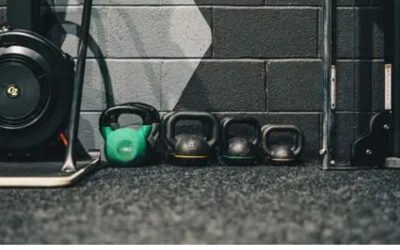
Plan storage for the actual object, not only an attractive display of a future collection. An ordinary console or decorative shelf should not be assumed appropriate for heavy equipment. Use a suitable support and keep the route to the activity area clear.
Follow the placement and handling instructions for both equipment and supporting surfaces. A generic mat does not make every method of setting down a weight acceptable. Let the room arrangement support permitted use rather than encourage shortcuts to protect the decor.
Add equipment when the requirement changes
Keep a record of the movements and weights used in an appropriate routine. When considering another purchase, identify the specific limitation it addresses. Do not assume a particular timetable or a larger collection represents progress for every person.
The useful kettlebell weight is one that belongs to an understood movement and an individual plan. Choose with realistic expectations, clear product information and room to learn, while keeping the home setup orderly enough to retrieve and return the equipment correctly.
Additional product links
- Start 30-Day Prime Free Trial →
- See Today’s Amazon Deals
- ▸ Try Amazon Prime — free 30-day trial
- ▸ Start an Audible Premium Plus free trial
- ▸ Read free with Kindle Unlimited
Related reading
- Best kettlebell weight
- Chris Parker
- Best Kettlebell Weight for Men: How to Pick the Right Size
- Best Kettlebell Ab Exercises: 6 Adjustable and Fixed Picks
- Best Kettlebell Core Exercises: 6 Picks for Floor Space
- Best Kettlebell Exercise for Abs: 5 Bells for Long Holds
- Best Kettlebell Ab Workout: 6 Bells Sized for Circuit Work
- Best beginner jump rope
- Best boxing jump rope
- Best boxer jump rope
- Best cheapest yoga mat
- Best workout exercise equipment
- Best Yoga Travel Mat: 6 Picks by Weight and Packed Size
- Best Exercise Bike for Fat Loss: 5 Picks by Flywheel Weight
- Best Workout Equipment to Lose Weight: 6 Low-Impact Picks
Write Your Review
No reviews yet. Be the first to share your experience!