
Our Top Picks
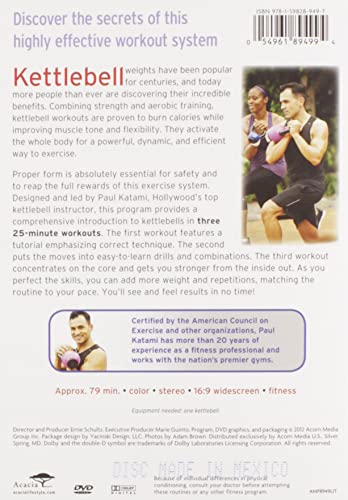 ULTIMATE KETTLEBELL WORKOUTS FOR BEGINNERS NR (Not Rated) NTSC 1 hour and 19 minutesCheck on Amazon
Pros & cons
- 50 exercise cards cover a wide range of kettlebell moves
- Moisture-resistant plastic holds up better than paper cards
- Blank card lets you write in a custom routine
- Compact 3.5 by 5 inch cards show limited illustration detail
- Deck covers kettlebell moves only, not other equipment
 Palace Learning QUICKFIT Kettlebell Workout Exercise PosterLandscapeRectangularWorkoutCheck on Amazon
Pros & cons
- 3 MIL lamination resists tearing and moisture in a home gym
- Large 18 by 24 inch size is easy to read from a distance
- Illustrated guide covers a full kettlebell routine at a glance
- Static poster cannot demonstrate movement or pacing like video
- Limited to the specific routine printed, not customizable
Pros & cons
- 30-day program with 36 additional workouts for variety
- Spiral binding with snap-in page holder lies flat for use
- Step-by-step illustrations guide proper kettlebell form
- Kettlebell itself is not included with the planner
- Program follows a fixed 30-day structure, not customizable length

A single cast-iron bell sitting in the corner of a bedroom can replace an entire rack of dumbbells, and the reason has less to do with the weight than with the handle. Because a kettlebell’s mass hangs below your grip rather than sitting in line with it, every rep forces your torso to negotiate a shifting load. Swing a 16 kg bell for ten hard reps and you’ll feel your hamstrings, glutes, lats, forearms, and the deep muscles beside your spine all filing a complaint at once. That’s not marketing — it’s leverage physics, and it’s why a twenty-minute kettlebell session leaves people breathing like they just finished a hill sprint.
The catch is that kettlebell training punishes vagueness. A sloppy swing becomes a squat with an awkward arm lift; a rushed snatch becomes a bruised wrist. The movements that build a powerful physique — the two-hand swing, the goblet squat, the Turkish get-up, the clean and press, the single-arm row, the windmill — each hinge on a handful of technical cues that no one absorbs by watching a fifteen-second clip. That’s the gap a well-structured beginner program fills, and it’s why the resource below is worth more than another piece of hardware.
As an Amazon Associate we earn from qualifying purchases.

As an Amazon Associate we earn from qualifying purchases.
Quick Comparison
| Resource | Best For | Format | Skill Level | Standout Feature | Equipment Needed |
|---|---|---|---|---|---|
| Ultimate Kettlebell Workouts for Beginners | Learning the six foundational lifts safely before adding load | Illustrated instructional guide with programmed workouts | True beginner through early intermediate | Step-by-step movement breakdowns paired with ready-made session plans | One or two kettlebells and roughly six feet of clear floor |
How to Choose
- Check that the hip hinge is taught before the swing. The swing is a hinge, not a squat. Any program that jumps straight to ballistic reps without first drilling a hip-dominant pattern — wall taps, deadlifts, or a hinge with a dowel — is skipping the one step that prevents lower-back pain.
- Look for a defined bell-size recommendation. A guide that says “use a comfortable weight” is dodging the question. Most men start swings around 16 kg and presses around 8–12 kg; most women start swings around 8–12 kg and presses around 6–8 kg. You want a resource that commits to numbers and explains when to move up.
- Prioritize programming over exercise lists. A hundred exercise photos are useless without sets, reps, rest intervals, and a week-by-week progression. The best beginner material tells you exactly what to do on Monday, how long to rest, and what changes in three weeks.
- Insist on unilateral and rotational work. Get-ups, windmills, single-arm presses, and suitcase carries fix the left-right imbalances that bilateral barbell work quietly hides. A program built only on two-hand swings and goblet squats leaves half your athleticism on the table.
- Confirm the sessions fit your actual schedule. Kettlebell work is dense; thirty focused minutes three times a week produces real change. If a plan demands ninety-minute sessions six days a week, you will abandon it by week two — and an abandoned plan builds nothing.
Top Picks Reviewed
Ultimate Kettlebell Workouts for Beginners
This guide earns its place by treating technique as the product rather than an afterthought. It walks through the core kettlebell vocabulary — deadlift, two-hand swing, goblet squat, clean, press, row, Turkish get-up — and for each one it separates the setup, the working position, and the finish, with the specific errors to watch for. The get-up chapter is a good example of the approach: instead of presenting the lift as one intimidating sequence, it breaks the movement into distinct checkpoints from the floor to standing, so you can drill each segment with a shoe balanced on your fist before you ever load a bell.
Where it separates itself from generic exercise encyclopedias is the programming. The workouts are laid out as complete sessions with prescribed sets, reps, and rest, organized so that ballistic work comes before grinding strength work and mobility bookends the session. There are shorter conditioning circuits for days when you have twenty minutes, and longer strength days for when you have forty. Because the progressions are explicit, you know when to add a set, when to add a rep, and when to move to the next bell — the decision that stalls most self-taught lifters.
It’s honest about its scope. This is a beginner-to-early-intermediate resource, not a competition kettlebell sport manual; if you’re already snatching a 24 kg bell for timed sets, you’ll outgrow it. It’s also a print-and-illustration format rather than video, which some people find easier to reference mid-session and others find harder to follow for complex lifts. For anyone who owns a bell and has been improvising, though, the structure alone is worth the shelf space — it converts a piece of equipment into an actual training plan.
Frequently Asked Questions
How many kettlebells do I actually need to start?
One will do for the first several weeks. A single moderate bell covers swings, goblet squats, get-ups, single-arm rows, and presses. The wrinkle is that your hips can handle far more weight than your shoulders, so you’ll eventually want a heavier bell for swings and a lighter one for overhead work. Buy the first, train for a month, then decide which direction you need to expand.
Can kettlebell training alone build noticeable muscle?
Yes, particularly across the posterior chain, shoulders, upper back, and grip. Presses, rows, front squats, and get-ups supply enough mechanical tension to drive growth when you progress the load and reps. That said, kettlebells are less convenient for high-load leg pressing and chest work, so if maximum hypertrophy is the goal, pairing bells with push-ups, pull-ups, and occasional barbell work fills the gaps.
Why does my lower back ache after swinging?
Almost always because the swing has turned into a squat-and-lift, or because you’re arching hard at the top instead of finishing with locked glutes and braced ribs. The bell should float from hip drive, not from a shoulder pull. Drop to a lighter bell, practice hinge patterns against a wall, and film a set from the side — the fault is usually obvious once you see it.
How often should I train with kettlebells?
Three sessions a week of thirty to forty minutes suits most people starting out, with at least one rest day between hard swing days so the hamstrings and grip recover. Ballistic work is deceptively taxing on the nervous system; consistency across months beats heroics across a single week.
Final Thoughts
The kettlebell rewards precision more than enthusiasm. Master six movements — hinge, squat, press, row, carry, get-up — and you have a complete strength and conditioning toolkit that fits under a desk. What most people lack isn’t willpower or equipment but a sequence: which lift to learn first, how heavy to go, and what to do next week. A structured beginner program supplies that sequence, and a guide like Ultimate Kettlebell Workouts for Beginners turns an idle bell into steady, measurable progress. Pick your bell, commit to three sessions a week, and let the swings do the rest.
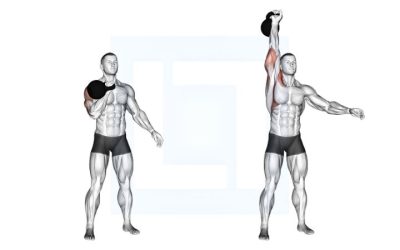
Best Kettlebell Weight for Men: Plan the First Purchase
The best kettlebell weight for men is not one number that applies to every man or every lift. Choose the movement and obtain an appropriate load...
Best Kettlebell Ab Exercises: Movement, Control and Equipment
The best kettlebell ab exercises need not involve endless weighted sit-ups. Abdominal training also includes keeping the trunk steady while another...
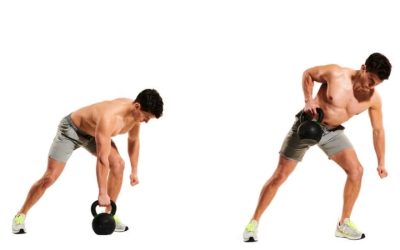
Best Kettlebell Core Exercises: Controlled Practice at Home
The best kettlebell core exercises should help you practice control, with a setup you understand and room to complete the movement. Core work does not...
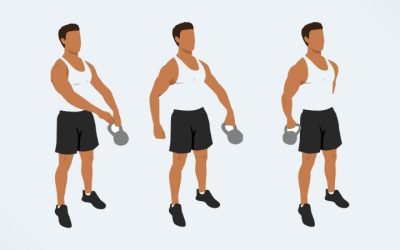
Best Kettlebell Exercise for Abs: Understand the Suitcase Carry
The suitcase carry is a kettlebell exercise worth understanding when looking for an abs and core-focused movement. Its task is to carry a weight at one...
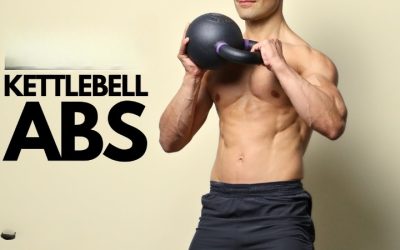
Best Kettlebell Ab Workout: A Controlled Core Practice
A kettlebell ab workout can focus on controlling the trunk during familiar movements rather than adding complicated twists. One example is an organized...
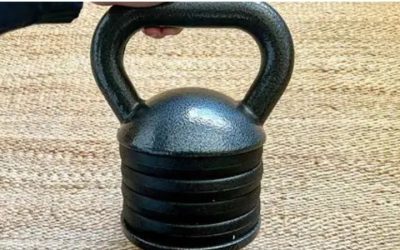
Best Kettlebell Weight: Choose for the Movement
The best kettlebell weight is specific to the movement and the person using it. Choose a load that allows the exercise to be performed with control,...
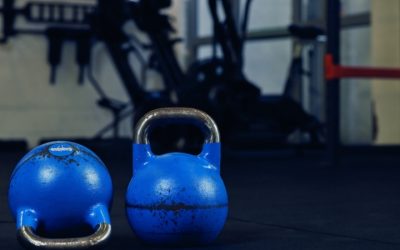
Best Kettlebell Routine: Choosing Loads and Organizing Practice
The best kettlebell routine for your home starts with a load you can control in the exercise being performed. Choosing a bell first and forcing every...
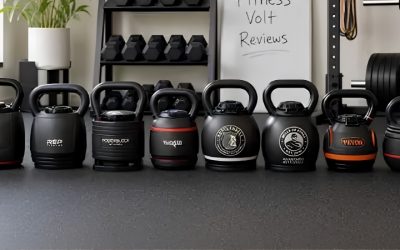
Best Kettlebell Routines: A Clear Home Practice Plan
The best kettlebell routines are organized around movements you can perform with control. For a home practice, a short sequence with deliberate rest...
Best Kettlebell Training: Technique, Session Planning and Setup
The best kettlebell training at home starts with learning a small number of movements well, then arranging a repeatable session around them. Begin with...
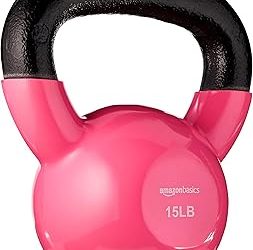
Best Workout Kettlebell: Handling and a Clear Exercise Zone
The best workout kettlebell should be chosen for the way it will be handled in your established routine. Start with the required load, grip and body...
Write Your Review
No reviews yet. Be the first to share your experience!