
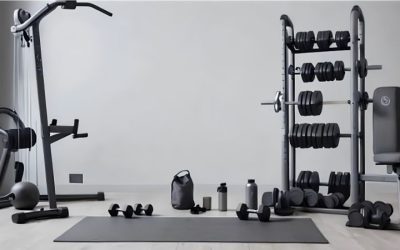
The best equipment for at home gym planning is the equipment that fills a real gap without consuming the budget needed to make the room usable. Buy in stages, with a purpose for each stage. This approach lets a gym develop around actual use instead of turning the first shopping list into a permanent floor plan.
This guide provides practical selection and use considerations. It does not report hands-on product testing.
Fund the room and the equipment together
Set a total amount you are comfortable spending before choosing individual products. Include delivery, assembly, suitable storage and any floor preparation that the installation requires. These costs vary with the room and the equipment, so a fixed percentage allowance is less useful than an actual list of what your chosen setup needs.
Keep decoration separate from essential installation work. Paint or coordinated baskets can wait if a supporting surface, necessary accessory or delivery arrangement remains unresolved. Equally, an impressive machine is not a bargain if its required components have been left out of the budget. Compare the cost of a usable configuration.
Stage one: support the activity you will begin with
Pick a starting activity rather than a collection of categories. A floor exercise area may need a suitable mat and clear space. A free-weight setup needs appropriate resistance and a place to handle and store it. Someone who primarily wants indoor cycling may put a bike ahead of equipment that serves an unrelated routine.
Check what you already own before adding anything. Existing equipment may cover the first stage if it is appropriate for the intended use and in suitable condition. Ordinary furniture should not be repurposed as a workout bench or weight stand simply to avoid a purchase. A smaller legitimate setup is preferable to filling a gap with unsuitable support.
Stage two: add a capability, not a duplicate
Once the first arrangement is usable, identify what it cannot do. Perhaps you need supported positions, a different resistance option or a dedicated cardio activity. Define that need in plain language before looking at products. This makes it easier to recognize an accessory bundle that adds quantity without adding a useful function.
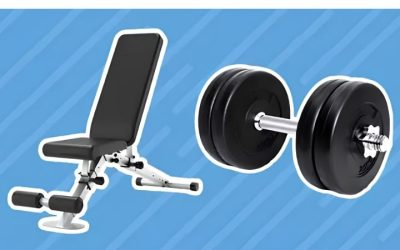
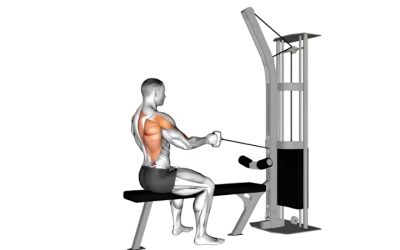
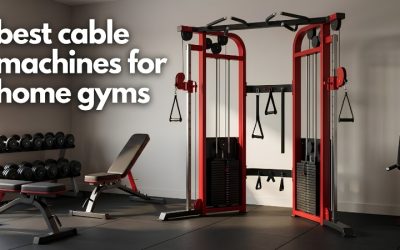
Compare additions by their dependencies. A bench might complement weights you already have; a barbell purchase can also require compatible plates and appropriate supporting equipment. A cable attachment may work only with a particular machine. Treat those dependencies as part of the decision instead of assuming that the advertised item is a complete solution.
Stage three: commit permanent space deliberately
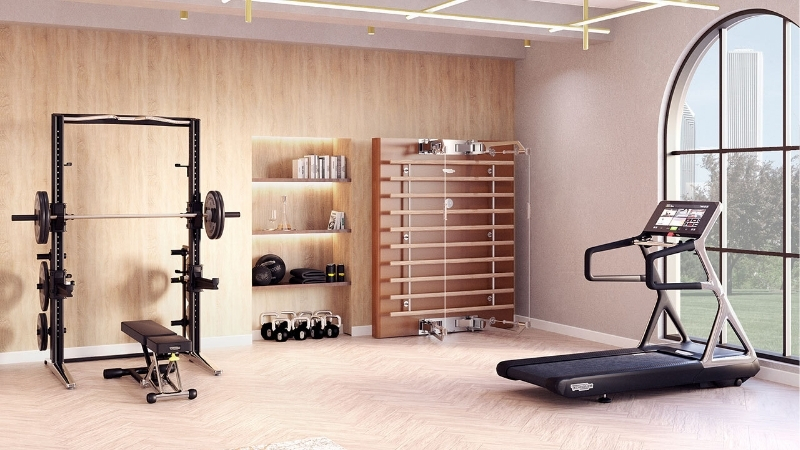
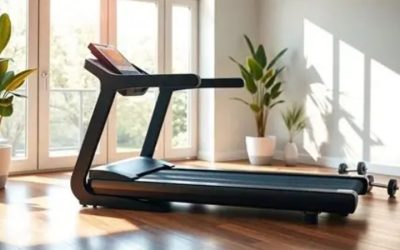
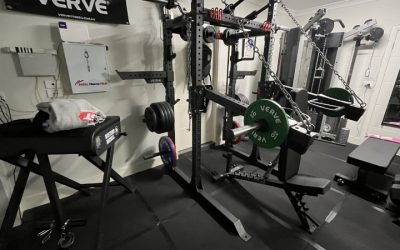
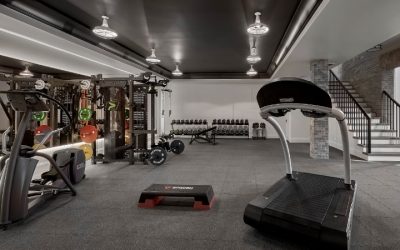
Before buying a large fixed machine, revisit the room layout. Mark its physical dimensions, the required operating area and access for upkeep. Consider how it affects doors, storage and any other purpose the room still serves. A dedicated equipment zone can make the design feel coherent, but it must correspond to the space the equipment actually needs.
Take delivery constraints seriously at this stage. Check package sizes, entry routes and the service included with shipping. Ask about assembly and returns before paying. A large item that reaches the front door but cannot reach the intended room can create costs that were invisible in the original comparison.
Make each stage look intentional
You do not need every corner filled for the gym to feel considered. Use consistent storage for small accessories, keep working areas visually clear and place lighting where it does not intrude on movement. Select storage according to the load it must carry; matching finishes do not establish that a cabinet can support weights.
Leave an uncommitted area for a future decision. This is useful flexibility rather than unfinished design. The open area might remain valuable for floor work instead of becoming a location for another machine. Notice how the room is used before assuming that empty space needs a purchase.
Product listings to compare
As an Amazon Associate we earn from qualifying purchases. Compare the selected variant and its current description with the requirements above.
Our top picks
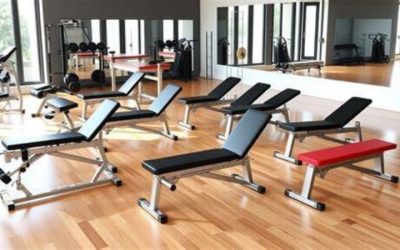
 YOLEO Adjustable Weight Bench for Home Gym
- Item Dimensions D x W x H: 41"D x 12.6"W x 42.5"H
- Material: Alloy Steel
ASTM-certified for an 827-pound capacity
Ships 98 percent pre-assembled, ready in seconds
84 adjustable positions cover nearly every bench angle
Maximum recommended user weight is listed lower at 330 pounds
Folds compact but still needs under-bed or closet storage space
 MQRW Push Up Board
- Maximum Weight Recommendation: 600 Pounds
- Warranty Type: Push up board
- Assembly Instructions Description: No assembly required
Combines a push-up board, resistance bands, and ab roller in one set
No assembly required, ready to use out of the box
Color-coded zones help target chest, triceps, and shoulders
Push-up board alone is rated to 600 pounds, bands wear faster
Managing many small accessories together can get cluttered
 Ayombo Pilates Bar Kit with Resistance Bands
- Recommended Uses For Product: At Home Pilates Workout
- Tension Supported: Heavy
- Number of Resistance Levels: 2
360 degree rotating lugs keep resistance bands from tangling
Foam-wrapped bar grip reduces slipping from sweat
Carry bag makes it easy to bring to a gym or park
Included bands rated around 30 pounds limit max resistance
Multiple small pieces can be easy to misplace
| Product | Key specs | |
|---|---|---|
| YOLEO Adjustable Weight Bench for Home Gym | Item Dimensions D x W x H: 41"D x 12.6"W x 42.5"H Material: Alloy Steel | Check price |
| MQRW Push Up Board | Maximum Weight Recommendation: 600 Pounds Warranty Type: Push up board Assembly Instructions Description: No assembly required | Check price |
| Ayombo Pilates Bar Kit with Resistance Bands | Recommended Uses For Product: At Home Pilates Workout Tension Supported: Heavy Number of Resistance Levels: 2 | Check price |
 Marcy Multifunctional Workout Station 100lbs to 200lbs Marcy Multifunctional Workout Station 100lbs to 200lbs | Material: Alloy Steel | Check price |
 Hip Thrust Belt Hip Thrust Belt | Material: Neoprene Closure Type: Hook and Loop | Check price |
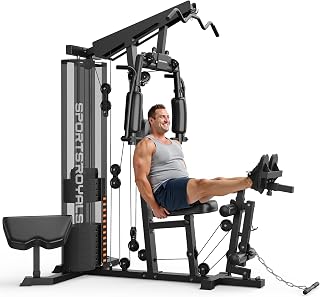 SPORTSROYALS Home Gym SPORTSROYALS Home Gym | Check price | |
 HOXWC Ankle Resistance Bands with Cuffs HOXWC Ankle Resistance Bands with Cuffs | Tension Supported: 10LB, 20LB, 30LB Number of Resistance Levels: 3 Material Type: Neoprene | Check price |
 Multi-Functional Home Gym Workout Equipment Multi-Functional Home Gym Workout Equipment | Check price |
As an Amazon Associate we earn from qualifying purchases at no extra cost to you.
Use a purchase gate for every addition
- Name the activity or practical limitation the item addresses.
- Confirm the complete compatible configuration and its total cost.
- Check installation, working clearance and storage against the room.
- Compare the written service and return arrangements.
- Decide whether the purchase is needed now or can remain undecided.
This sequence keeps budget priorities connected to the gym’s purpose. It does not require a universal cheapest item or a promise that one setup suits everyone. Each stage should leave you with something usable, understandable and properly placed, even if the final stage never becomes necessary.
Additional product links
- Start 30-Day Prime Free Trial →
- See Today’s Amazon Deals
- ▸ Try Amazon Prime — free 30-day trial
- ▸ Start an Audible Premium Plus free trial
- ▸ Read free with Kindle Unlimited
Related reading
- Best equipment for at home gym
- Chris Parker
- Best Gym Mat for Home: Rubber vs Foam Picks for Any Floor
- Best Rowers for Home Gym: Air, Magnetic and Water Compared
- Best Weight Home Gym: 6 All-in-One Machines for Small Rooms
- Best Home Gym Equipment for Beginners: The Starter Setup
- Best Treadmills for Home Gym: 5 Picks by Deck and Motor
- Best changeable dumbbells
- Best rated yoga mat
- Best mat yoga
- Best home gym equipmen
- Best fitness equipment for home gym
- Best Budget Home Gym Equipment: Maximize Your Workout Without Breaking the Bank
- Best Home Gym Set Ups: 6 Builds by Room Size and Budget
- Best Home Workout Equipment Budget Guide: 6 Smart Picks
- 8 Best Workout Gym Equipment: 6 Heavy-Duty Picks for Home Use
- 8 Best Home Gym Cardio Equipment for Noise and Floor Space
Write Your Review
No reviews yet. Be the first to share your experience!