
Thickness is the one yoga mat spec that changes how a pose actually feels under your body. At 3mm you can feel the floor through your palms in Downward Dog, which is exactly what you want when balancing on one leg. At 13mm your knees stop complaining during Camel and low lunges, but that same cushion turns Tree Pose into a wobble. Neither number is wrong — they are answers to different questions, and most shoppers who end up frustrated bought for the wrong one.
This ranking runs from the thickest mat down to the thinnest, roughly 25mm to 1.5mm, so you can see the tradeoffs stack up in order. Along the way you will notice that thickness rarely travels alone: the plushest picks are lightweight closed-cell foam that dents and slides, while the thinnest are dense rubber that grips like tape and weighs enough to notice on a walk to the studio. Pick the band that matches your joints and your practice, then choose inside it.
Our top picks


As an Amazon Associate we earn from qualifying purchases at no extra cost to you.
As an Amazon Associate we earn from qualifying purchases.
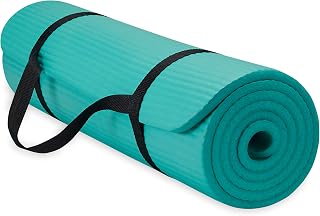
Quick Comparison
| Mat | Thickness | Material | Size & Weight | Best For |
|---|---|---|---|---|
| BalanceFrom GoYoga All-Purpose (1") | ~25mm | High-density NBR foam | 71" x 24", ~4 lb | Floor work, physio, sore knees |
| Amazon Basics Extra Thick Exercise Yoga Mat with Carrying Strap | ~13mm (1/2") | NBR foam | 74" x 24", ~3 lb | Best cushion-per-dollar, home use |
| Gaiam Essentials Thick Yoga Mat | ~10mm | NBR foam | 72" x 24", ~2.7 lb | Gentle and restorative classes |
| Manduka PRO | ~6mm | Closed-cell PVC | 71" or 85", ~7.5–9.5 lb | Dense support that lasts decades |
| JadeYoga Harmony | ~5mm | Open-cell natural rubber | 68"–74" x 24", ~5 lb | Sweaty hands, maximum grip |
| Manduka eKO Superlite | ~1.5mm | Natural tree rubber | 71" x 24", ~2 lb | Travel, hotel carpet, suitcase |
How to Choose
- Match thickness to your dominant pose type. If half your practice happens on your knees, shins, or spine, go 10mm or above. If half of it is standing balance and arm balances, stay at 6mm or below — thick foam collapses unevenly and your ankle pays for it.
- Understand open-cell versus closed-cell. Open-cell rubber absorbs moisture and grips harder as you sweat, but it needs airing out. Closed-cell PVC and foam wipe clean in seconds and never soak up odor, though they get slick when wet unless you add a towel.
- Check your height against the length. A 68" mat leaves a 5’11" person’s heels on hardwood in Savasana. Anyone over 6′ should be looking at 74" and up, and the 85" option exists for a reason.
- Weigh the mat if you commute. A 9 lb mat is fine in a spare room and miserable on a bike. Under 3 lb travels easily; over 6 lb wants to stay put.
- Judge the surface, not the pattern. Run a dry palm across it and push. A slightly tacky or lightly textured face keeps your hands anchored; a glossy plastic face will send them sliding forward the moment you warm up.
Top Picks Reviewed
1. BalanceFrom GoYoga All-Purpose 1" Extra Thick — the joint-saver
A full inch of high-density foam is not really a yoga mat in the traditional sense; it is a cushion you can also do yoga on. That makes it excellent for anything spent on the back or knees: bridge work, prescribed rehab exercises, core routines, long stretching sessions on a tile floor. The foam is firm enough that it does not bottom out under a hip bone. The catch is predictable — standing poses feel unstable, the edges curl if you store it folded rather than rolled, and it is a poor fit for a fast vinyasa class where you move through weight-bearing transitions.
2. Amazon Basics Extra Thick Exercise Yoga Mat with Carrying Strap — the value benchmark
At roughly a half inch, this is the sweet spot most casual practitioners actually want, and it costs a fraction of the boutique mats. The 74-inch length is genuinely useful for taller users, the textured NBR surface gives dry hands something to hold, and the included strap means it is not left in a heap by the couch. It is light at about 3 lb, so carrying it is effortless. Expect the compromises that come with soft foam: it takes lasting dents from knees and elbows over time, and it is not the mat for hot yoga, since moisture sits on the surface. As a first mat, or a dedicated stretching-and-strength mat for the living room, it is difficult to beat on cushion per dollar.
3. Gaiam Essentials Thick Yoga Mat — the gentle-class default
Ten millimeters splits the difference intelligently. There is real padding under the knees for lunges and kneeling sequences, but you can still hold Warrior III without the surface folding sideways. It rolls up smaller than the half-inch mats and weighs under 3 lb, which suits studio hopping. The foam is soft enough that dedicated hot yoga will overwhelm it, and heavy-handed practitioners will eventually see palm impressions, but for gentle, restorative, and beginner flow it does the job cleanly.
4. Manduka PRO — the buy-it-once mat
Six millimeters of dense closed-cell PVC feels nothing like 6mm of foam. It is supportive without any squish, so your hands stay exactly where you place them, and the mat lies dead flat from day one without curling corners. It is famously durable — many owners are still using the same one a decade later. Two honest caveats: it is heavy, around 7.5 lb, and the surface starts out slippery. It needs breaking in, or a salt scrub, or a towel on top for the first few weeks. Get past that and it is the most planted 6mm mat on the list.
5. JadeYoga Harmony — the grip specialist
Natural open-cell rubber is the answer for anyone whose hands slide within ten minutes. Sweat gets absorbed rather than pooled, so traction improves as the session heats up. Five millimeters is enough padding for most vinyasa and hatha work while keeping you connected to the floor for balance. It has a distinct rubber smell for the first week or two, it should not bake in a hot car, and it wears faster than PVC because that porous surface is doing real work. Latex-sensitive practitioners should choose elsewhere.
6. Manduka eKO Superlite — the packable one
At around 1.5mm this folds to roughly the size of a sweater and weighs about 2 lb, which is the entire point. It is meant to be laid over hotel carpet, a gym mat, or a studio rental, where it supplies grip rather than padding. On bare hardwood, your knees will let you know immediately. Treat it as a second mat for travel and it is superb; treat it as your only mat and you will regret it.
Frequently Asked Questions
Is a thicker yoga mat always more comfortable?
Only for poses where your body presses down into it. In standing and balancing poses, thick foam compresses unevenly under your foot, so your ankle constantly corrects and the pose feels harder than it should. Comfort is really about matching cushion to the pose, which is why many practitioners keep a 5–6mm mat and fold a blanket under their knees when needed.
What thickness works best for hot yoga?
Around 4–5mm in open-cell natural rubber, ideally paired with a microfiber towel. Grip matters far more than padding when everything is wet, and thick closed-cell foam becomes a slip hazard the moment sweat pools on the surface.
How long should a mat last?
Dense PVC like the Manduka PRO can run a decade or more with regular use. Natural rubber typically gives three to five years. Budget NBR foam mats usually show permanent dents and flaking within one to two years of frequent practice — reasonable for the price, but plan on replacing them.
What is the best way to clean and store one?
Wipe with diluted white vinegar or a mild soap solution, then air dry fully before rolling. Skip alcohol and harsh cleaners on rubber, since they degrade the surface. Always roll rather than fold — folding creases foam permanently — and store away from direct sunlight and car trunks.
Final Thoughts
Read this list backwards and it becomes a simple decision. If your practice is mostly standing, flowing, and balancing, start at 5–6mm and take the grip and density of the JadeYoga Harmony or Manduka PRO. If your knees, hips, or spine are the limiting factor, move up: 10mm for gentle classes, and the Amazon Basics Extra Thick for the best cushion you can get without spending much. The 1-inch BalanceFrom is for floor and rehab work more than yoga proper, and the eKO Superlite belongs in a suitcase rather than a living room. Choose the band first, then the material — that order will get you a mat you keep unrolling.
Note: only the Amazon Basics mat was supplied in the product list; the other five are well-known Amazon-available mats chosen to build a real thickness ladder, so swap in your own links or products as needed.
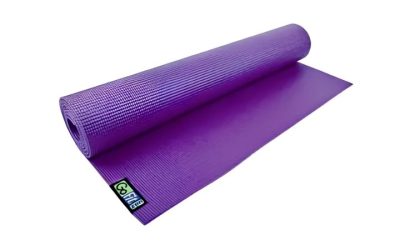
Best Grippy Yoga Mat: One Kit for Two Practice Locations
The best grippy yoga mat for somebody who practises in two places may involve a compromise between the setups. A mat carried to a studio and used...
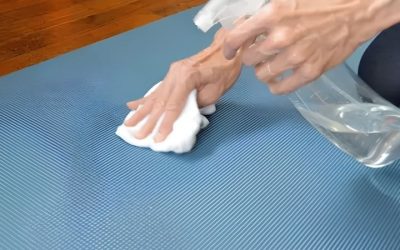
Best Way to Clean a Yoga Mat: A Practical Home Care Setup
The best way to clean a yoga mat is to use the care method for its exact model, then provide the space and time that method requires. A tidy room needs...
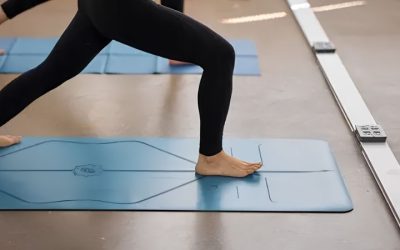
Best Grip Yoga Mat: Match the Practice Room
The best grip yoga mat for a home practice should be assessed in the room where you intend to use it. A product can meet your carrying preferences yet...
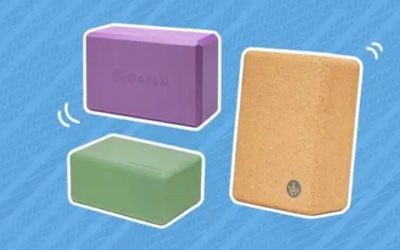
Yoga Block Best Choices: Support, Size and Setup
The best yoga block is the one that provides the support your instructed practice calls for, in a shape and size you can use appropriately. Choose it...
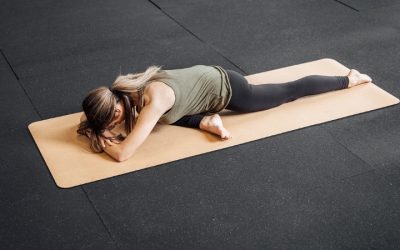
Best Yoga Mat for Bikram: Moisture, Towels and Care
To choose the best yoga mat for Bikram practice, compare its intended use with moisture, the complete mat-and-towel arrangement and the care required...
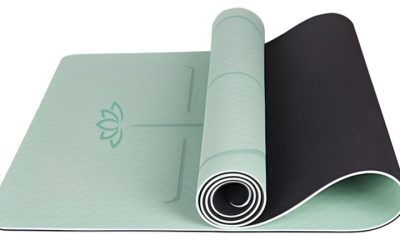
Best Cheapest Yoga Mat: Compare Suitable Budget Options
The cheapest yoga mat worth buying is the lowest-cost option that meets the requirements of your practice. Establish those requirements before sorting...
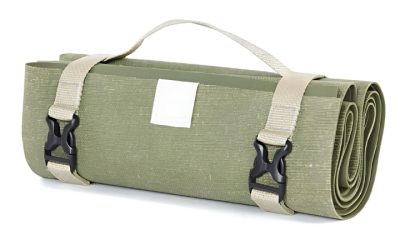
Best Yoga Travel Mat: Packing, Practice Space and Care
The best yoga travel mat is one that suits the practice space at your destination and fits the way you actually travel. Compare packed size, handling...
Best Yoga Mat Reddit Recommendations: How to Compare the Advice
A search for best yoga mat Reddit recommendations can be a useful starting point, provided you turn the comments into questions about your own practice...
Best Yoga Mat Brand: Comparing Models for Your Practice
The best yoga mat brand for your home is the one with a specific mat that suits your practice, space and care preferences. Compare models before...
Best Slip-Resistant Yoga Mat: Tradeoffs, Care and Storage
The best slip-resistant yoga mat should offer a suitable surface without sacrificing the dimensions, feel and ownership routine your practice needs....
Write Your Review
No reviews yet. Be the first to share your experience!