
A useful chest workout using dumbbells begins with a controlled chest press and a setup that lets you perform it properly. You do not need a long list of nearly identical movements to make the session meaningful. Choose a version you understand, use an appropriate load and keep technique ahead of speed or variety.
This guide provides practical selection and use considerations. It does not report hands-on product testing.
The room matters because you must get into position, handle the weights and finish without furniture interfering. These are supporting conditions for the exercise, not a substitute for learning it. If you have pain, an injury or uncertainty about suitability, obtain individual guidance before proceeding.
Use the chest press as the main movement
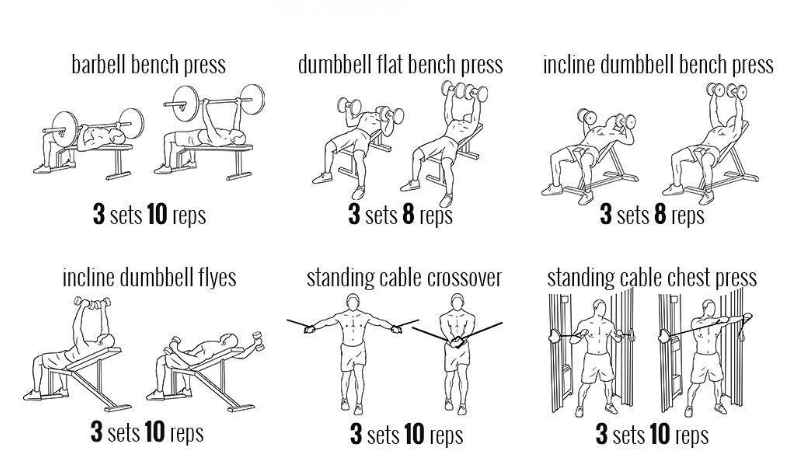
Mayo Clinic describes a dumbbell chest press performed lying on the back with one weight in each hand. Begin with forearms upright and upper arms extending outward. Press upward slowly until the elbows are nearly straight, then lower with control. Keep the movement deliberate rather than letting the weights fall back into position. Keep your head relaxed in a neutral position. During lowering, do not let the elbows pass below the horizontal line of the torso.
Learn the setup and finishing sequence with a qualified instructor if you cannot manage them confidently. The weight used should allow the taught movement to remain controlled. Do not increase it simply because a product set includes heavier settings.
Decide between a floor and bench setup
A floor press and a bench press create different starting arrangements and available movement. The floor is an option discussed in exercise guidance, but it should not be assumed to suit everyone or to treat a shoulder problem. Choose the version appropriate to your instruction and individual circumstances.
If using a bench, check that it is intended for the activity and follow its setup requirements. A sofa, dining chair or ottoman is not an interchangeable exercise bench. Do not change the support surface merely to avoid moving furniture.
Keep the session focused
Begin with the press version you have learned instead of stacking several unfamiliar variations together. Practice consistent positioning and a controlled return. Use a program appropriate to you for the number of repetitions, sets and rest; a universal target cannot account for individual experience or requirements.
After each set, note whether you maintained the same movement and whether the setup felt manageable. If technique deteriorates, pause and reassess rather than chasing a number. Stop if the exercise causes pain and seek suitable advice instead of treating discomfort as evidence of progress.
Introduce variations for a reason
An incline bench changes the setup, while a single-arm version changes the handling demands. Neither should be added merely to make a routine look more advanced. Learn any new variation separately and confirm that the equipment permits the intended arrangement.
A fly is also a different exercise from a press. Do not transfer the same load or assume the movement can be learned by changing the direction of the dumbbells mid-set. For a simple home session, a familiar press is a clearer starting point than an improvised mixture.
Create a clear handling zone
Arrange the room so the weights can be retrieved and returned without reaching around a low table or fragile object. Keep the exercise area distinct from the regular household route. Account for the movement you are actually performing rather than using only the bench’s stored dimensions.
Check the floor and any protective surface against the equipment’s instructions. A mat does not make unsuitable furniture into a bench or authorize dropping weights. Place storage where it supports the handling sequence without crowding the exercise.
Choose equipment after the movement
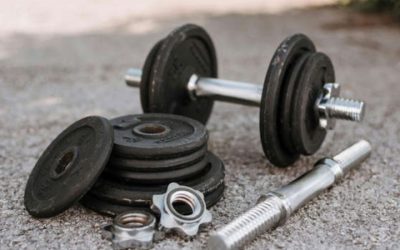
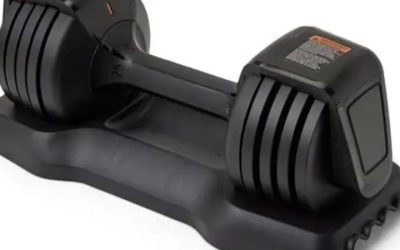
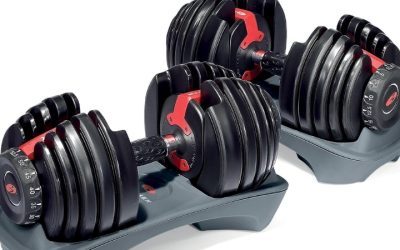
Compare dumbbell adjustment procedures, grip dimensions and the loads required by your established program. For selectable systems, follow all locking and inspection steps. Keep any loose components organized so adjusting equipment does not interrupt the room’s access routes.
Product listings to compare
As an Amazon Associate we earn from qualifying purchases. Compare the selected variant and its current description with the requirements above.
Our top picks
 NICEPEOPLE Adjustable Weight Bench for Home Gym
- Item Dimensions D x W x H: 46"D x 16.7"W x 17.2"H
- Material: Superior Alloy Steel
Eight backrest angles cover incline, decline, and flat positions
Folds down in one step for compact under-bed storage
660-pound capacity suits heavier bench press sessions
Leather-style padding needs regular wiping to resist sweat buildup
Still needs two pins removed each time it folds
 Palace Learning Dumbbell Workout Exercise Poster
- Orientation: Portrait
- Item Shape: Rectangular
- Theme: Building
 goremote Dumbbell Workout Poster Set
- Orientation: Portrait
- Item Shape: Rectangular
- Theme: Workout
| Product | Key specs | |
|---|---|---|
| NICEPEOPLE Adjustable Weight Bench for Home Gym | Item Dimensions D x W x H: 46"D x 16.7"W x 17.2"H Material: Superior Alloy Steel | Check price |
| Palace Learning Dumbbell Workout Exercise Poster | Orientation: Portrait Item Shape: Rectangular Theme: Building | Check price |
| goremote Dumbbell Workout Poster Set | Orientation: Portrait Item Shape: Rectangular Theme: Workout | Check price |
 POCAZONE Dumbbell Workout Posters POCAZONE Dumbbell Workout Posters | Check price | |
 Twister Arm Trainer Twister Arm Trainer | Number of Resistance Levels: 15 Material Type: Metal Maximum Weight Recommendation: 440 Pounds | Check price |
 Chest Workout Equipment Chest Workout Equipment | Check price | |
 Garvee 8 in 1 Adjustable Weight Bench Garvee 8 in 1 Adjustable Weight Bench | Check price | |
 YOLEO Adjustable Weight Bench for Home Gym YOLEO Adjustable Weight Bench for Home Gym | Item Dimensions D x W x H: 41"D x 12.6"W x 42.5"H Material: Alloy Steel | Check price |
As an Amazon Associate we earn from qualifying purchases at no extra cost to you.
Review before adding more
- Can you set up and finish the press confidently?
- Does the chosen load permit controlled movement?
- Is the support surface appropriate for the exercise?
- Can the room remain clear throughout the session?
- Does a proposed variation serve a purpose in your program?
The best home chest session is one you can repeat with an understood technique and suitable setup. Add complexity only when it answers a real need, not because a list of products suggests that more equipment automatically makes a better workout.
Additional product links
- Start 30-Day Prime Free Trial →
- See Today’s Amazon Deals
- ▸ Try Amazon Prime — free 30-day trial
- ▸ Start an Audible Premium Plus free trial
- ▸ Read free with Kindle Unlimited
Related reading
- Best chest workout using dumbbells
- Chris Parker
- Best Ab Workouts with Dumbbells: 6 Support Picks Compared
- Best Budget Adjustable Dumbbell: 6 Picks and Trade-Offs
- Best Abs Exercise with Dumbbells: 6 Picks by Coating Type
- Best Abs Workout with Dumbbells: 6 Picks for Fast Circuits
- Best at Home Dumbbells: 6 Picks for Sharing a Household
- Best changeable dumbbells
- Best rated yoga mat
- Best mat yoga
- Best home gym equipmen
- Best fitness equipment for home gym
- Best Dumbbells Back Workout Kit: Grip, Support and Ceiling
- Best Tricep Workout With Dumbbells: Kit for Fast Set Changes
- Best Chest Workout Dumbbells: 6 Picks for Pressing at Home
- Choosing the Right Home Gym Workout Bench: A Buyer's Guide
- Best Workout Dumbbells: 7 Picks for Small Home Gym Spaces
- 8 Best Workouts for Forearms with Dumbbells: 5 Gear Choices
- 8 Best Arm Workouts With Dumbbells: 6 Home Setups to Choose
Write Your Review
No reviews yet. Be the first to share your experience!