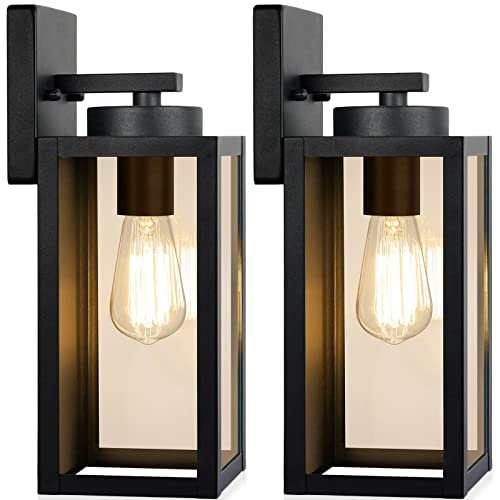
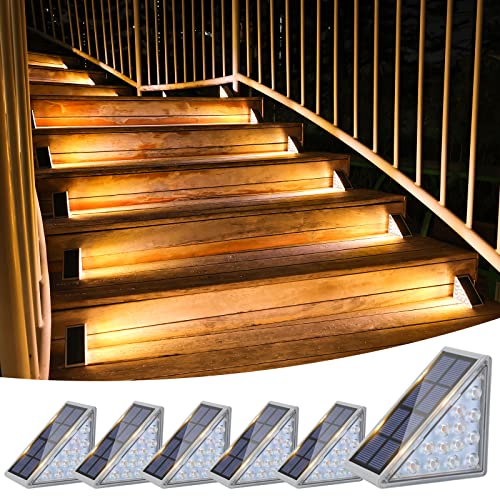
Continuous LEDs (60W-150W COB): A 60W COB LED (such as Godox SL60 or Aputure Amaran 60d type) produces roughly 45,000-60,000 lux at 1m without modifier, usually $130-$250. Enough for still product shots and video at ISO 400-800, but you will need higher ISO in dim rooms. A 100-150W COB doubles that output and lets you shoot at f/5.6-f/8 for products without pushing ISO.
Strobes (200Ws-400Ws): A 200Ws battery strobe (Godox AD200 type) or 400Ws monolight (Godox AD400Pro type) provides 3-4 stops more light than a 60W LED when fired through an umbrella. This matters if you want to freeze motion, shoot at low ISO 100, or overpower window light. Usually $200-$600 for the light alone.
Small E27 / Bulb Kits (Neewer 45W fluorescent/LED type): Usually $40-$90 per kit. Output is 1/4 to 1/3 of a 60W COB. Usable for learning or small tabletop products, but underpowered for full-length portraits and requires very close placement.
The best umbrella lights for photography for most home use are a 43-inch convertible umbrella paired with a 60-85W COB LED or 400Ws strobe on a 7 to 8-foot air-cushioned stand, because this size balances soft, even light for portraits and product shots without overwhelming a 10×12 ft room.
How to Choose Umbrella Lights: 6 Decision Criteria
Umbrella lights are not just bulbs. They are a system: light source + modifier (umbrella) + stand. For home portraits and product photography, compare these six specs before you buy.
1. Light Output (Watts, Watt-Seconds, and Lumens)
For continuous LED umbrella lights, look at wattage and lux at 1 meter. For strobe/flash umbrella lights, look at watt-seconds (Ws).
Continuous LEDs (60W-150W COB): A 60W COB LED (such as Godox SL60 or Aputure Amaran 60d type) produces roughly 45,000-60,000 lux at 1m without modifier, usually $130-$250. Enough for still product shots and video at ISO 400-800, but you will need higher ISO in dim rooms. A 100-150W COB doubles that output and lets you shoot at f/5.6-f/8 for products without pushing ISO.
Strobes (200Ws-400Ws): A 200Ws battery strobe (Godox AD200 type) or 400Ws monolight (Godox AD400Pro type) provides 3-4 stops more light than a 60W LED when fired through an umbrella. This matters if you want to freeze motion, shoot at low ISO 100, or overpower window light. Usually $200-$600 for the light alone.
Small E27 / Bulb Kits (Neewer 45W fluorescent/LED type): Usually $40-$90 per kit. Output is 1/4 to 1/3 of a 60W COB. Usable for learning or small tabletop products, but underpowered for full-length portraits and requires very close placement.
Rule of thumb: If you shoot products on a table and portraits from 4-6 feet away, 60W LED is the minimum for comfortable continuous light. If you shoot in a bright living room during the day, a strobe will give you far more control.
2. Color Temperature and Accuracy
Look for bi-color vs daylight-balanced and CRI/TLCI ratings.
Daylight-balanced (5600K): Most COB LEDs and strobes are 5600K +/- 200K. Consistent for matching daylight from windows. Best if you mainly shoot near windows.
Bi-color (2800K-6500K): Lets you match warm home bulbs (2700K-320K) so skin tones and wood furniture don’t look orange against the background. Slightly lower max output than daylight-only, usually 15-20% less at the extremes.
Accuracy: Aim for CRI 95+ and TLCI 95+ for accurate skin tones and product colors. Lower CRI (90-93) will shift reds and wood tones, which is noticeable on upholstery, skin, and food products. Brands like Aputure, Godox, and Nanlite publish CRI/TLCI in spec sheets.
3. Umbrella Size and Coverage
Umbrella diameter controls softness and spread. Larger is softer, but needs more room and more power.
Umbrella Size
Light Spread at 6 ft Distance
Best For
Minimum Room Needed
Power Needed
33-inch (84cm)
~4.5 ft diameter
Headshots, small products, tight spaces
8×10 ft
Low – works with E27 kits and 60W LEDs
43-inch (109cm)
~6.5 ft diameter
Half-body portraits, furniture vignettes, 2×2 ft product sets
10×12 ft with 2.5 ft clearance on sides
Medium – ideal for 60-100W LED or 200Ws strobe
60-inch (152cm) Parabolic
~8.5 ft diameter
Full-length portraits, large furniture, soft wrap-around light
12×14 ft, 9 ft ceiling recommended
High – needs 100W+ LED or 300Ws+ strobe to fill evenly
In a typical 10×12 ft bedroom or living corner used as a home studio, a 43-inch umbrella is the sweet spot. A 60-inch umbrella placed 4 feet from your subject will be just 1-2 feet from the wall behind it, causing light bounce and making it hard to move around. It also requires a heavier stand to prevent tipping.
4. Stand Height, Footprint, and Clearance
Stand specs matter more at home than in a studio. Measure before you buy.
7-foot (84-inch) stand: Collapses to ~26-28 inches, footprint ~33 inches wide at the base. Enough to light a seated subject or tabletop product from 30-45 degrees above. Fits under an 8-foot ceiling with umbrella tilted.
10-foot (120-inch) stand:
Needed if you want the light high and angled down for standing portraits or to light a dining table from above. Footprint widens to ~40-45 inches. In a small apartment, the legs will hit sofa arms, coffee tables, and tripods.
Clearance: Leave at least 30 inches between the umbrella edge and walls/furniture to avoid harsh reflected spill, and 36 inches of walkway space if you need to move between light and subject. An umbrella on a stand placed 5 feet from a subject needs a total depth of about 7-8 feet wall-to-wall.
Weight limits: Standard home-use light stands are rated for 6-12 lbs. A COB LED with 43-inch umbrella is 4-7 lbs total and safe. A 60-inch parabolic umbrella with strobe can be 8-11 lbs and will wobble on a light-duty stand; use a C-stand or heavy-duty air-cushioned stand rated for 15+ lbs if you go this large.
5. Portability and Storage
If you set up and tear down for each shoot, weight and folded size decide whether you actually use the light.
Compact kits (E27 socket + 33-inch umbrella + 7-foot stand): Total kit weight 5-8 lbs, packs into a 28-inch bag that fits in a closet. Assembly in 3-5 minutes, but diffusion is basic.
Mid-size COB + 43-inch umbrella: Light (3-4 lbs) + stand (3 lbs) + umbrella (1.5 lbs) = ~8-10 lbs. Umbrella collapses to 32-36 inches long. Needs a corner or behind-door storage. Most have carry bags.
Battery strobe + 43-60 inch umbrella: Most portable for power, no cable to outlet. Total 10-14 lbs with battery. Ideal if you shoot in different rooms or on a balcony and cannot run cables across a living room floor.
6. Diffusion: White Umbrella vs. Shoot-Through vs. Softbox-Style
Umbrellas are cheaper and faster than softboxes, but the type changes the look.
White reflective umbrella (bounce): Light fires into umbrella and bounces back. Soft, directional, with more spill onto walls and ceiling. Good for airy, bright home interiors and family portraits. Least wind-sensitive.
Shoot-through (translucent) umbrella: Light fires through the fabric toward subject. Softer wrap but throws light everywhere – 180-degree spill. You lose about 1 stop of light compared to bounce. Needs more space control with curtains or flags.
Convertible umbrella (removable black backing): Can be used both ways. This is the best value for home use. Usually $20-$50 for the umbrella itself.
Umbrella with diffusion sock / softbox-style umbrella: A white diffusion cover over the front turns the umbrella into a large, flat softbox. Controls spill better, creates rounder catchlights, and softens more evenly than a bare umbrella. Adds about 0.5 stop light loss but worth it for product shots where you want clean, even light on reflective surfaces and furniture finishes without hotspots.
Decision Matrix: Which Umbrella Light Fits Your Situation?
Your Situation
Best Match
Why
Small apartment (8×10 to 10×12 ft room), renters, low ceilings
60W daylight or bi-color COB LED + 33 to 43-inch convertible umbrella with diffusion sock + 7-foot air-cushioned stand
Fits in tight space, low heat, quiet, no wall damage, easy to store. Continuous light lets you see exactly what the camera sees.
Home for product shots of furniture, decor, ceramics, textiles on a table
100W COB LED or 200Ws strobe + 43-inch umbrella with diffusion sock, plus white reflector opposite
Flat, even diffusion prevents harsh shadows under table legs and glare on polished wood and fabric textures. Strobe option freezes camera shake for sharp detail at f/8-f/11.
Family and portrait photography in living room, kids and pets around
Battery strobe (200-400Ws) + 43-inch white bounce umbrella + heavy-base 7-8 foot stand with sandbag
Fast flash freezes movement, no hot continuous bulb for kids/pets to touch. Heavy base and sandbag prevent tipping if bumped. No cables to trip over.
Back pain or frequent moving, need quick setup
Compact LED kit with 33-inch umbrella or collapsible 43-inch umbrella with 7-foot stand (total under 10 lbs, single bag)
Lighter to carry, one-hand umbrella open/close, no heavy power pack. Box weight often 9-12 lbs shipped.
Dedicated home studio space (12×15 ft+), full-length portraits
150W COB LED or 400Ws strobe + 60-inch parabolic umbrella with diffusion + 10-foot stand
Fills large modifier for full-body soft wrap, high enough to light standing subjects without casting shadows on the floor.
Material and Build Trade-Offs
Component / Material
Pros
Cons
Durability Note
Umbrella ribs: Fiberglass vs Metal
Fiberglass is lighter and flexes without bending; metal is stiffer in wind
Fiberglass can snap if over-stressed; cheap metal ribs bend permanently
First failure point is usually the rib joint after 12-18 months of frequent open/close
Umbrella fabric: Nylon with reflective coating vs Polyester
Nylon is more durable and reflective; polyester is cheaper
Cheap coatings flake and yellow with heat from COB LEDs over time
Look for heat-resistant backing if using 100W+ COB at close distance
Stands: Aluminum vs Steel
Aluminum is 30-40% lighter (2.5-3.5 lbs); steel is more stable
Aluminum flexes with 60-inch umbrellas; steel is heavier to move
Air-cushioned aluminum stands prevent sudden drops that damage LEDs
Housing: Plastic vs Metal COB body
Plastic is lighter and cheaper; metal dissipates heat and lasts longer
Plastic can warp with prolonged 150W use; metal adds 1-2 lbs
Fan noise on metal high-watt LEDs is 20-30 dB; check if you record video
Assembly, Moving, and Real-World Durability
Umbrella lights are simple but have a few home-specific realities. Most 43-inch kits ship in a box 30x10x10 inches weighing 9-14 lbs. A 60-inch umbrella ships in a 40-42 inch box that will not fit in many closets and may not clear a standard 29-30 inch apartment doorway when assembled with stand at full leg spread.
Assembly takes 4-7 minutes once practiced: extend stand, lock collar, mount light, insert umbrella shaft, add diffusion sock. No tools needed. What wears first is not the light, but the umbrella shaft tension knob and the stand’s twist locks. Over-tightening strips plastic collars. Keep a small sandbag (5-7 lbs) on the base if you use a 43-inch or larger umbrella near foot traffic – umbrellas act as sails and tip easily when brushed.
For renters, continuous LEDs and battery strobes avoid drilling or ceiling mounts. Keep cables taped or routed along walls; a 10-foot power cable across a rug is a trip hazard in a furnished room. LEDs need 6-8 inches of clearance around vents; blocking them against curtains or upholstery will trigger thermal shutdown.
Our Picks by Use Case at Home
Best Overall for Home Portraits and Product Shots: 43-Inch Convertible Umbrella with Diffusion Sock + 60-100W Bi-Color COB LED
This combination, in the general market range of usually $150-$350 for light, stand, and umbrella, covers both situations without dominating a room. Use it bounced for portraits (place 4-6 feet from subject, 30-45 degrees up) and shoot-through with diffusion sock for products (place 2-3 feet from table for soft, shadowless light). Bi-color lets you match warm living room bulbs so the background does not go muddy.
Best for Small Spaces and Beginners: 33-Inch White Umbrella Kit with 7-Foot Stand
Usually $45-$90. Folds small, weighs under 7 lbs, and fits behind a door. You sacrifice some softness compared to 43-inch, but you gain ease of use and can add a second identical kit later for two-light setups instead of buying one oversized light you cannot store.
Best for Freezing Motion and Bright Rooms: 200-400Ws Battery Strobe with 43-Inch Bounce Umbrella
Usually $250-$600 depending on power and battery. If your home has large windows and you shoot during the day, a strobe will let you balance window light and keep ISO low, which is critical for showing true wood grain and fabric color in furniture product shots. Battery power means no cables and faster recycle than plug-in budget strobes.
Quick Placement Tips for Home Rooms
For portraits against a sofa or wall, place the umbrella at least 4 feet from the subject and 6 feet from the wall behind to avoid a harsh shadow line on the wall. Feather the umbrella so the edge of the light, not the hot center, hits the background.
For product shots on a dining or coffee table, raise the umbrella to 1-2 feet above the table height and angle down 30 degrees. Add a white foam board opposite the light as a fill reflector to lift shadows under the table edge.
If the light spills too much onto the ceiling and flattens the image, use the diffusion sock and move the umbrella closer to the subject – closer light is softer and falls off faster on the background.
H
Home Beautiful Design Editorial Team
We compare specs, materials and verified owner reviews before a product earns a spot. Rankings are never paid.
Affiliate disclosure. As an Amazon Associate we earn from qualifying purchases at no extra cost to you. Prices accurate as of the date shown.