Key takeaways
- Reduce dorm-room humidity by measuring patterns, controlling wet sources, using ventilation correctly, reporting leaks and selecting permitted equipment only when needed.
To reduce humidity in a dorm room, first measure when and where moisture rises, then remove avoidable sources, use the building’s ventilation correctly and report leaks or HVAC faults. A portable dehumidifier is one tool, not the automatic first step. This guide uses cautious building-moisture principles; it does not diagnose mold-related illness or promise that one appliance will solve a structural problem.

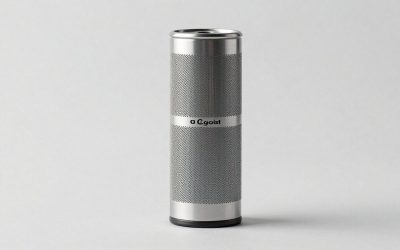
Editorial illustration, not evidence of a particular room inspection.
Our top picks





As an Amazon Associate we earn from qualifying purchases at no extra cost to you.
Measure a pattern, not one number
Use a separate hygrometer rather than relying only on an appliance display. Place it at breathing height away from windows, exterior walls, radiators, supply vents and direct bathroom steam. Record relative humidity and temperature morning, afternoon and night for several days.
EPA moisture guidance commonly discusses keeping indoor relative humidity below 60 percent and ideally around 30–50 percent where feasible. Treat that as a general management range, not a medical threshold or reason to force a room extremely dry. Building climate and seasonal conditions matter.
Note events beside each reading: shower, rain, open window, wet laundry, cooking appliance, many visitors or HVAC shutdown. Relative humidity can rise as temperature falls even when the amount of water in air has not changed. A trend connected to an event is more actionable than a single peak.
Report water and building faults quickly
Stains, active drips, wet carpet, swollen furniture, persistent window leakage or a ceiling leak belong with campus maintenance. Photograph the area, record time and location, protect belongings without touching unsafe electrical equipment, and follow the residence emergency process.
Do not point a fan at contaminated or visibly moldy material if it could spread particles. Do not paint over staining or use fragrance to hide odor. Students should not open walls, ceiling tiles, HVAC cabinets or plumbing chases.
Visible growth or persistent musty odor needs institutional assessment under campus policy. Health symptoms have many possible causes; seek medical advice when needed. A general article cannot identify exposure or determine treatment.
Control shower moisture
If a bathroom connects to the room, use its exhaust fan during and after showers for the period permitted by housing guidance. Confirm that the fan actually moves air; a tissue held near the grille can show direction without removing the cover. Report weak, noisy or nonworking exhaust.
Keep the bathroom door closed while steam is highest if that matches residence guidance, then allow appropriate ventilation after. Wipe large wet surfaces with a squeegee where allowed. Hang towels flat in a ventilated designated area rather than bunched over furniture.
Never disable a fire door, prop a corridor door for airflow or cover a detector. Moisture control does not override life-safety rules.
Change laundry habits
Wet clothing can release substantial moisture. Use the campus laundry dryer’s appropriate cycle and remove items promptly. If an item remains damp, return it to an approved drying area rather than hanging a load across the dorm.
Do not place wet shoes, umbrellas or sports equipment inside a closed closet. Drain and wipe them, then use a permitted ventilated rack or facility. Keep damp gym towels out of bedding and backpacks.
A small fan may help evaporation but does not remove water from the room; it merely moves moisture into air. Use it only if allowed and only when ventilation or a dehumidifier can carry that moisture away.
Use windows strategically
Opening a window helps only when outdoor air contains less moisture than indoor air after temperature is considered and when campus rules permit it. In hot humid weather, open windows can increase the load. During cool dry conditions, a short controlled airing period may help.
Check weather humidity and dew point rather than assuming outside air is dry because it feels cool. Close windows when rain, fog or humid outdoor air would enter. Never leave a window open against building instructions, security requirements or freeze-protection guidance.
Keep curtains and belongings from blocking approved vents. Furniture pressed tightly against a cold exterior wall can create stagnant pockets; use safe clearance permitted by the room layout.
Keep air paths open
Do not cover supply or return grilles with posters, boxes, beds or fabric. HVAC systems need their designed airflow. Report unusual condensation, persistent temperature problems or vents that do not operate.
Leave modest space around closets and storage where practical. Avoid packing damp items into under-bed bins. Open wardrobe doors briefly during normal occupied hours if safe and allowed, but do not obstruct egress.
Clean only user-serviceable grilles or filters according to housing instructions. Students should not replace central HVAC filters or apply chemicals inside vents unless the institution directs it.
Use moisture absorbers realistically
Desiccant tubs or hanging absorbers can collect small amounts in closets, but they are not substitutes for ventilation or active dehumidification in a persistently humid room. Their concentrated liquid can spill and may irritate skin or damage surfaces.
Confirm campus permission, keep them upright in a secondary tray and away from children, pets, electronics and food. Follow disposal instructions. Never place loose salts in homemade containers.
Decide whether a dehumidifier is justified
Review housing appliance rules before purchase. Measure the room and moisture pattern, then compare permitted wattage, noise, tank handling and operating temperature. A massive basement model is not safer because it has more capacity, and a tiny unit is not effective merely because it says “bedroom.”
Compressor machines typically remove more water in warm humid air but use more power and create compressor noise. Thermoelectric units are compact but often collect modest amounts. See our thermoelectric versus compressor comparison and dorm buying guide.
Place any machine on a level hard surface with all manual clearances. Keep it away from bedding, curtains, heat and walkways. Use auto-shutoff and empty the tank safely. Continuous hoses crossing a dorm or draining into a bucket are not acceptable solutions.
Electrical safety
Use only permitted certified appliances in an appropriate wall receptacle. Avoid extension cords, overloaded strips and wet plug areas. Inspect the cord and recall status. CPSC has announced serious dehumidifier recalls involving overheating and fire hazards, making model and serial verification essential for new and secondhand devices.
Stop using equipment that smells hot, sparks, leaks onto electrical parts, trips breakers or has a damaged cable. Isolate power only from a dry safe position and contact housing staff.
Clean without creating another moisture problem
Dust and debris reduce airflow. Clean dehumidifier filters, tanks and grilles exactly as the manual directs, then dry parts before reassembly. Do not mix cleaners or spray chemicals into the air intake.
Wipe ordinary condensation from clean hard surfaces and dry them. Porous materials that remain wet or show damage may need institutional evaluation or replacement. Do not use bleach or another chemical as a universal mold solution; material, ventilation and campus procedures matter.
A seven-day dorm plan
Day 1: Place the hygrometer and photograph existing water damage. Read housing rules.
Days 2–3: Log readings and moisture events. Move wet towels and laundry to approved areas and clear vents.
Day 4: Test normal bathroom exhaust operation without opening equipment. Submit maintenance requests for leaks, failed ventilation or persistent condensation.
Days 5–6: Compare indoor trends with outdoor conditions. Use windows only when appropriate and permitted.
Day 7: Review the pattern. If humidity remains repeatedly elevated after obvious sources are controlled, discuss building conditions and a permitted dehumidifier with housing staff.
Continue weekly checks after any intervention. Success means a stable trend without water damage, not the lowest possible number.
Sources
- U.S. EPA: mold and moisture in homes
- CDC: mold information
- ENERGY STAR dehumidifier guidance
- U.S. Consumer Product Safety Commission recalls