Key takeaways
- Compare thermoelectric and compressor dehumidifiers for small rooms by extraction, temperature, noise, energy, tank handling, policy and moisture load.
Choose a thermoelectric dehumidifier for a mild, localized moisture load when compact size and modest steady operation matter. Choose a compressor model when measurements show persistent humidity and meaningful water removal is required in a room warm enough for efficient operation. Neither technology fixes leaks, failed ventilation or contaminated materials. This comparison is based on operating principles and published specifications, not hands-on product testing.
Editorial illustration, not product photography or comparative test evidence.
Our top picks


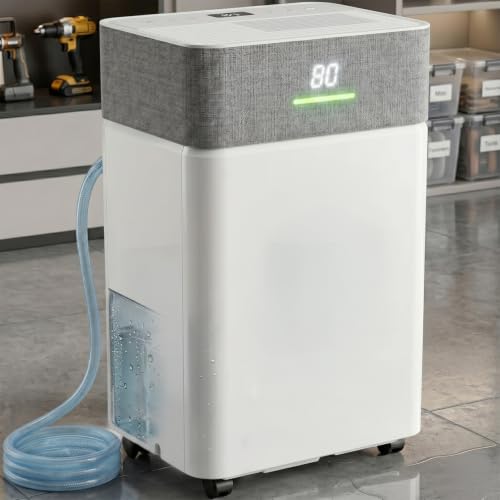
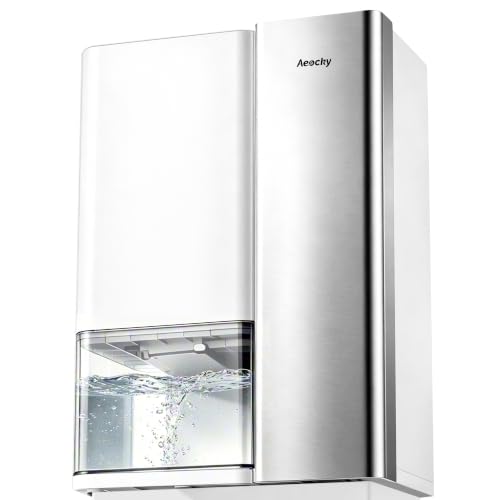


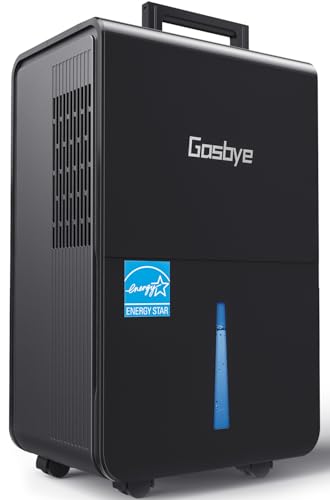
As an Amazon Associate we earn from qualifying purchases at no extra cost to you. Ratings are shown as listed on Amazon.
How the technologies work
A compressor dehumidifier draws humid air across a cold refrigerant coil. Water condenses, collects in a tank or drain, and the air is reheated as it passes the warm side of the refrigeration system. The compressor, fan and defrost controls contribute to weight, sound and power use.
A thermoelectric unit passes current through a Peltier module, creating a cool side and warm side without a refrigerant compressor. A fan moves air across the surfaces and condensate drips into a small tank. The design can be compact, but the temperature difference and airflow limit how much water it can remove.
Both need electricity, airflow, a clean intake and tank care. “Compressor-free” does not mean silent, maintenance-free or risk-free.
Capacity: compare conditions, not headline numbers
Compressor capacities in the United States should be compared under the applicable Department of Energy test procedure. Older articles and marketplace listings may show ratings from different conditions, so two pint figures can be misleading.
Thermoelectric products often state milliliters per day at a warm temperature and very high relative humidity. Real collection in a cooler bedroom at moderate humidity can be substantially lower. Reject a comparison that omits the measurement conditions.
A small room does not always have a small moisture load. An attached shower, wet laundry, air leakage or several occupants can generate more water than a Peltier device can collect. Conversely, a large compressor model may be unnecessary when the hygrometer shows only brief event-driven peaks.
Temperature sensitivity
Compressor coils can frost in cool conditions. Many units include defrost logic, but extraction falls as temperature drops. Check the operating range and never use a household dehumidifier outside it.
Thermoelectric performance also depends on temperature and humidity. It needs the cool surface to remain below the air’s dew point. As the room becomes cooler or drier, condensation declines. It is not automatically the better cold-room solution.
Record room temperature with humidity. A technology choice based only on relative humidity ignores a major performance variable.
Noise character
Thermoelectric units avoid compressor cycling but still have one or more fans. Small fast fans can produce tonal noise. Compressor models add low-frequency operation, startup and defrost changes, along with fan and water sounds.
Decibel claims require mode, distance and method. A figure measured at low fan speed is not comparable with another measured at maximum extraction. Consider whether steady fan sound or intermittent compressor cycling is more tolerable, especially in a dorm or bedroom.
Place either unit on a level rigid surface with specified clearances. Soft carpet, unstable furniture and contact with a wall can increase vibration or block airflow.
Energy and useful work
A Peltier unit often draws fewer watts, but lower draw does not guarantee lower energy per liter of water removed. If it runs continuously while collecting little, it may deliver poor useful efficiency. Compressor models use more power but can remove substantially more water under suitable conditions.
Compare rated input, measured or standardized capacity, humidistat control and expected runtime. ENERGY STAR certification applies to qualifying product categories and models; verify the current database rather than adding a badge assumption to all compressor units.
The efficient decision can be no appliance when behavior or ventilation corrects the moisture source.
Humidistat and control quality
Many compressor units include an adjustable humidistat that cycles around a target. Small thermoelectric models may use only on/off control, though features vary. A real humidistat is useful because it prevents unnecessary operation after conditions improve.
Use a separate hygrometer to verify room trends. Appliance sensors sit near internal airflow and can differ from the occupied zone. Do not chase exact agreement between two inexpensive sensors; look for consistent direction and persistent excess.
Auto-shutoff should stop operation when the tank is full or incorrectly seated. Confirm this in the manual. Automatic restart after an outage may be convenient or prohibited by housing policy.
Tank and drainage
Thermoelectric tanks are usually light but can require frequent emptying relative to collection. Compressor tanks may be larger and heavier. Evaluate the route to the sink and whether removal spills over books or electronics.
Continuous drainage requires authorization, a safe downhill route and an approved destination. A hose across a floor or into an unattended bucket is unsafe. Dorms often make tank operation the only realistic option.
Collected condensate is not drinking water. Internal surfaces and airborne material can contaminate it. Dispose of it through an approved drain and clean the tank as instructed.
Size and placement
Peltier units fit shelves and narrow corners more easily, but clearances still apply. Do not place one inside a closed wardrobe unless the manual permits that environment and heat can escape. A device collecting moisture also releases heat.
Compressor machines need larger airflow paths and upright handling. If transported on a side, follow the manual’s settling time. Measure lid and tank removal clearance, not only footprint.
Keep all units away from curtains, bedding, heaters and splash. Do not use furniture that can tip under a full tank.
Safety and recalls
Check campus or rental appliance rules, electrical wattage and certification. Plug into the permitted wall receptacle without an extension cord unless explicitly allowed. Inspect cord, housing and plug.
Search the CPSC recall database by model and serial number. Major dehumidifier recalls have involved overheating and fire hazards, including units sold under numerous brands. Used devices need the same verification as new ones.
Stop for smoke, burning odor, unusual heat, leaking into electrical areas, repeated breaker trips or damaged insulation. Do not open a refrigerant system or repair mains wiring yourself.
Which one fits each scenario?
Closet-adjacent mild dampness: A permitted Peltier device may help after wet items and blocked airflow are corrected. Do not operate it in a sealed space contrary to instructions.
Warm room with repeated high readings: A properly sized compressor model with current capacity rating and humidistat is more plausible.
Cool basement-like room: Neither label is enough. Check minimum operating temperature and low-temperature performance; specialized equipment or building repair may be needed.
Dorm room: Start with policy, hygrometer and source control. Our dorm buying guide and humidity reduction plan establish those gates.
Water intrusion or visible damage: Stop shopping and report or repair the source. Drying equipment may be part of professional remediation, but a consumer unit does not define the scope.
Buying checklist
For either technology, verify exact extraction conditions, operating temperature, input watts, tank size, humidistat, full-tank behavior, clearances, filter care, drainage, warranty, certification and recall status. Read the manual before ordering.
For thermoelectric models, demand realistic collection data and accept that performance may be modest. For compressor models, compare current standardized capacity and avoid oversized square-foot claims. Consider the sound character and tank weight in the actual room.
Conclusion
Thermoelectric units win on compact architecture, not universal efficiency or effectiveness. Compressor units win on potential extraction, not automatic suitability for every small room. Measured load, temperature, rules, noise tolerance and safe drainage decide the fit.
If the source is controllable, fix it first. If humidity remains persistently elevated, choose the smallest authorized system whose documented capacity matches the conditions and monitor the result with a separate hygrometer.
Sources
- U.S. Department of Energy: consumer dehumidifiers
- ENERGY STAR: dehumidifiers
- U.S. EPA: moisture and mold control
- U.S. Consumer Product Safety Commission recalls