Key takeaways
- Measure before you buy: Most dorms use Twin XL at 38″ x 80″, five inches longer than a standard twin. A twin-sized topper on a Twin XL leaves your feet on bare institutional foam, so confirm the dimension with your housing office rather than guessing.
- Match thickness to the mattress underneath: Two inches evens out a mattress that is merely firm. Three inches is what you want when you can feel the springs or the foam has compressed into a trough. Beyond three inches you start fighting bed rails and fitted sheets.
- Take heat seriously: Dense memory foam stores body heat, and dorm HVAC rarely helps. Gel infusion, ventilated cores, and breathable covers all move air; bamboo-derived rayon and open-cell structures do more than a marketing badge on the box.
- Insist on a removable, washable cover: Communal laundry is a walk with an armful of bedding. A zippered cover you can strip and wash separately beats hauling the entire topper anywhere.
- Check anchoring and certification: Non-slip backing or elastic straps keep the topper from migrating on slick institutional vinyl. CertiPUR-US certification confirms the foam is made without formaldehyde or heavy metals, which matters in a small, poorly ventilated room.
What's inside
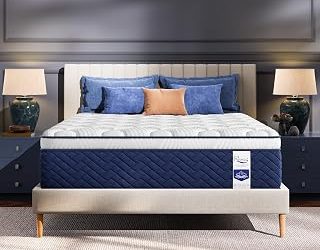
Dorm rooms are lit like corridors. One ceiling fixture, cool and flat, aimed straight down at a slab of vinyl-wrapped foam that a thousand students slept on before you. As someone who designs how rooms feel after dark, I can tell you the mattress is doing more work than anyone credits: it is the largest soft surface in the room, the thing that absorbs glare instead of bouncing it, and the reason a space reads as a bedroom rather than a study carrel with a cot in it. When that surface is thin and hard, the whole room feels temporary. Add the wrong topper and you get a different problem entirely — heat that builds through the night in a building with sealed windows and radiators nobody controls.
This guide looks at toppers through that lens: how they handle temperature in an overheated residence hall, how they sit under sheets without shifting at 3 a.m., and whether they actually survive a nine-month lease and a move-out. I have prioritized Twin XL sizing (the near-universal dorm dimension), cooling performance, and covers you can wash without a car. Below are the picks worth your money for 2026, followed by the specs that actually predict comfort.
As an Amazon Associate we earn from qualifying purchases.




🛒 Best Price Today on Amazon
Prime members get fast, free shipping on everything above, plus member-only deals. New members get a 30-day free trial — cancel anytime.
How to Choose a Dorm Room Mattress Topper (2026)
- Measure before you buy: Most dorms use Twin XL at 38″ x 80″, five inches longer than a standard twin. A twin-sized topper on a Twin XL leaves your feet on bare institutional foam, so confirm the dimension with your housing office rather than guessing.
- Match thickness to the mattress underneath: Two inches evens out a mattress that is merely firm. Three inches is what you want when you can feel the springs or the foam has compressed into a trough. Beyond three inches you start fighting bed rails and fitted sheets.
- Take heat seriously: Dense memory foam stores body heat, and dorm HVAC rarely helps. Gel infusion, ventilated cores, and breathable covers all move air; bamboo-derived rayon and open-cell structures do more than a marketing badge on the box.
- Insist on a removable, washable cover: Communal laundry is a walk with an armful of bedding. A zippered cover you can strip and wash separately beats hauling the entire topper anywhere.
- Check anchoring and certification: Non-slip backing or elastic straps keep the topper from migrating on slick institutional vinyl. CertiPUR-US certification confirms the foam is made without formaldehyde or heavy metals, which matters in a small, poorly ventilated room.
The Best Dorm Room Mattress Toppers (2026) Reviewed
ELEMUSE Twin XL 3 Inch Dual Layer Memory Foam Topper
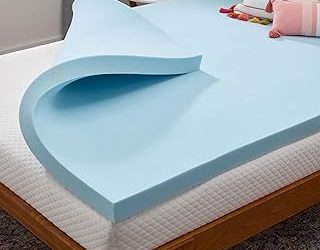
The two-part build is the smart part: two inches of cooling gel foam underneath for structure, one inch of pillow-top loft above it for the soft landing. It is the most complete fix for a genuinely bad dorm mattress, and the plush upper layer gives the bed visual depth that a flat foam slab never manages.
Linenspa 2 Inch Gel Memory Foam Topper
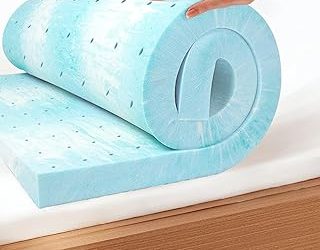
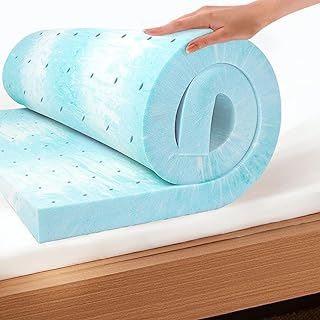
The value benchmark. Two inches of gel-infused foam with a plush feel and CertiPUR-US certification, at a price that makes sense for a nine-month room. Best on a mattress that needs softening rather than rescuing.
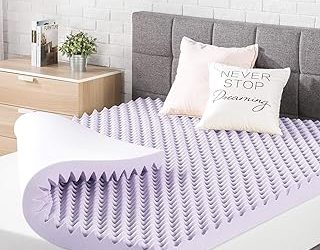
ViscoSoft 3 Inch Ventilated Memory Foam Topper
High-density foam with a ventilated core and a removable rayon cover — the pick if you want something that will follow you from dorm to first apartment. The airflow channels genuinely reduce the sink-and-swelter effect, and the cover feels considerably better than the sheets going over it.
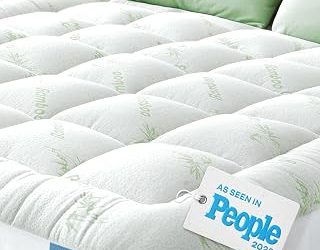
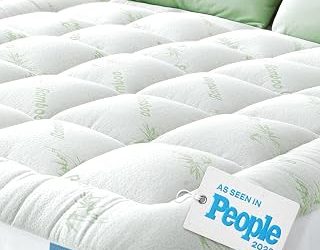
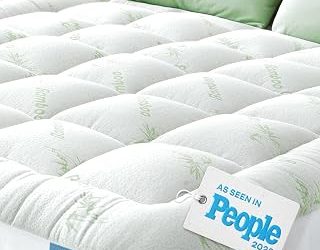
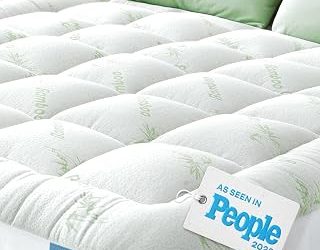
Niagara Sleep Solution Ultra Soft & Cooling Bamboo Topper
Not a foam topper but a quilted pillow-top pad with a bamboo-derived rayon surface and a 20-inch deep pocket, so it fits over even thick institutional mattresses. Choose it if you sleep hot, want cushioning without the enveloping feel of memory foam, and like the crisper look it gives the bed.
EGO 2 Inch Gel Memory Foam Topper
Sized at 75″ x 38″ for a standard twin, this is the one to buy if your bed is not Twin XL — off-campus housing and some older halls still use it. Straightforward gel-infused pressure relief, CertiPUR-US certified, ships compressed in a box.
Frequently Asked Questions
Do I need Twin XL or twin?
Almost all US residence halls use Twin XL, 38″ x 80″. Standard twin is 75″ long. Confirm with housing before ordering, since the five-inch difference is exactly where your feet go.
How long does a compressed topper take to expand?
Give it 24 to 48 hours unrolled in the room, ideally with a window cracked. Foam arrives densely packed and firm; the new-foam smell fades over the same window.
Will a topper make my bed hotter?
Untreated memory foam will. Gel-infused, ventilated, or bamboo-topped options are meaningfully cooler, and a percale or bamboo sheet over the top helps more than most people expect.
Can I use my regular fitted sheets?
A two-inch topper works with standard sheets. At three inches, add a mattress depth of 12 to 14 inches or use a deep-pocket sheet to avoid corners popping off nightly.
Final Thoughts
For a dorm mattress that needs real intervention, the ELEMUSE 3 Inch Dual Layer topper delivers the most support and softness for the money. The ViscoSoft 3 Inch is the longer-term investment with better airflow and a cover worth keeping, while the Niagara bamboo pad is the right call for hot sleepers who want cushioning without the heat trap.