Key takeaways
- Thickness and Support Profile: Dorm mattresses are typically 5 to 7 inches of low-density foam, so a 2- to 3-inch topper meaningfully changes the sleep surface. Thicker options like the ELEMUSE dual-layer or ViscoSoft 3-inch provide deeper pressure relief for side sleepers, while 2-inch gel foam pads suit back and stomach sleepers who need alignment without excessive sink.
- Cooling Strategy: Dorm HVAC is inconsistent at best, and small rooms trap body heat fast. Look for gel-infused memory foam, bamboo-derived covers, or ventilated cores that actively move warm air away from the skin. Materials matter more here than in a well-ventilated bedroom.
- Fit and Depth: Twin XL is the dorm standard at 80 inches long, but mattress depths vary from 6 to 12 inches. A topper with a deep-pocketed cover or elastic anchor straps stays locked in place through restless nights and aggressive bed-making, which matters when your bed doubles as your couch.
- Certifications and Off-Gassing: A topper sitting inches from your face in a room with limited airflow should meet CertiPUR-US or equivalent standards for low VOC emissions. Open the packaging 24 hours before use to let any residual manufacturing odors dissipate before the first night.
- Washability and Durability: Dorm life is not gentle on textiles. Removable, machine-washable covers extend the life of a topper dramatically, especially in an environment where coffee spills, snack crumbs, and the occasional laundry procrastination are inevitable.
What's inside
- How to Choose a Mattress Topper For Dorm Bed (2026)
- The Best Mattress Topper For Dorm Bed (2026)s Reviewed
- Frequently Asked Questions
- Final Thoughts For the best overall balance of cooling, support, and dorm-friendly design, the ELEMUSE 3-Inch Dual Layer stands out as the most thoughtfully engineered option in this group. The ViscoSoft 3-Inch Ventilated is the strongest pick for students who prioritize airflow and long-term durability, while the Niagara Sleep Solution Bamboo offers the most naturally cool and moisture-wicking surface for hot sleepers. Any of these three will turn a grim dorm mattress into a legitimate sleep surface that supports recovery, focus, and the kind of rest that makes early-morning lectures survivable. More ways to save on Amazon ▸ Try Amazon Prime — free 30-day trial ▸ Start an Audible Premium Plus free trial ▸ Read free with Kindle Unlimited Related Articles
Most dorm rooms come with a mattress that feels like it was engineered to absorb dreams rather than support sleepers, and when you layer that with the relentless hum of fluorescent ceiling panels and the blue glow of a roommate’s laptop at 2 a.m., quality rest becomes a design problem—not just a comfort one. As someone who spends a career shaping how spaces feel under light, I can tell you that the surface you lie on interacts with every sensory cue in that tiny room: the warmth radiating off a radiator, the color temperature of a desk lamp, even the way fabric textures catch afternoon sun through cheap blinds.
A well-chosen mattress topper doesn’t just add cushion—it fundamentally changes the thermal, tactile, and spatial experience of a dorm bed, turning a flat institutional slab into something that actually resets your body after a long day. In this 2026 roundup, we evaluated six top-rated toppers across cooling performance, pressure relief, durability, and how well they hold up under the specific environmental stresses unique to college housing.
As an Amazon Associate we earn from qualifying purchases.




🛒 Best Price Today on Amazon
Prime members get fast, free shipping on everything above, plus member-only deals. New members get a 30-day free trial — cancel anytime.
How to Choose a Mattress Topper For Dorm Bed (2026)
- Thickness and Support Profile: Dorm mattresses are typically 5 to 7 inches of low-density foam, so a 2- to 3-inch topper meaningfully changes the sleep surface. Thicker options like the ELEMUSE dual-layer or ViscoSoft 3-inch provide deeper pressure relief for side sleepers, while 2-inch gel foam pads suit back and stomach sleepers who need alignment without excessive sink.
- Cooling Strategy: Dorm HVAC is inconsistent at best, and small rooms trap body heat fast. Look for gel-infused memory foam, bamboo-derived covers, or ventilated cores that actively move warm air away from the skin. Materials matter more here than in a well-ventilated bedroom.
- Fit and Depth: Twin XL is the dorm standard at 80 inches long, but mattress depths vary from 6 to 12 inches. A topper with a deep-pocketed cover or elastic anchor straps stays locked in place through restless nights and aggressive bed-making, which matters when your bed doubles as your couch.
- Certifications and Off-Gassing: A topper sitting inches from your face in a room with limited airflow should meet CertiPUR-US or equivalent standards for low VOC emissions. Open the packaging 24 hours before use to let any residual manufacturing odors dissipate before the first night.
- Washability and Durability: Dorm life is not gentle on textiles. Removable, machine-washable covers extend the life of a topper dramatically, especially in an environment where coffee spills, snack crumbs, and the occasional laundry procrastination are inevitable.
The Best Mattress Topper For Dorm Bed (2026)s Reviewed
ELEMUSE 3-Inch Dual Layer Memory Foam Topper
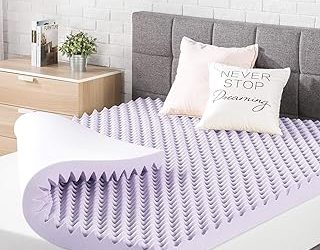
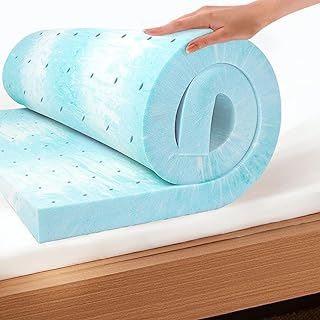
Stacking two inches of cooling gel foam beneath a one-inch pillow-top layer creates a topper that buffers both temperature and pressure with equal skill. In a dorm bathed in warm overhead lighting, the gel layer actively counteracts the heat buildup that makes thin foam toppers feel stifling, while the pillow-top surface softens the room’s overall sensory harshness. This is the topper I’d recommend to anyone who wakes up with hip or shoulder soreness from a rock-firm dorm mattress.
Niagara Sleep Solution Ultra Soft Bamboo Topper
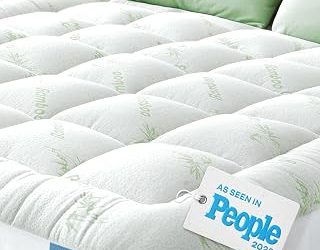
The bamboo-derived rayon cover on this topper has a naturally matte, cool-to-the-touch hand that feels noticeably different from synthetic alternatives the moment you press your palm into it. For dorm rooms where climate control swings between arctic and tropical, the moisture-wicking cover paired with the 20-inch deep pocket keeps the surface comfortable and the fit secure. Back-pain sufferers consistently praise the pillow-top loft for easing lumbar tension.
Linenspa 2-Inch Gel Memory Foam Topper
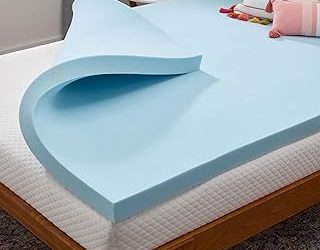
Linenspa’s gel-infused topper is a study in restraint: two inches of CertiPUR-certified foam that adds plush contouring without dramatically altering the bed’s height or feel. It’s an ideal choice for dorm residents who want pressure relief but share a space where bed height affects sight lines—under LED strip lighting or lofted setups, lower-profile solutions keep the room feeling open rather than cluttered with bedding. The cooling gel performs well for the price point.
ViscoSoft 3-Inch High Density Ventilated Topper
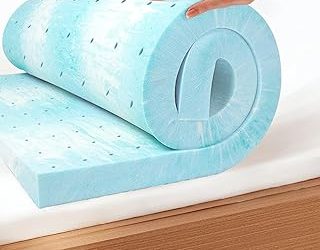
ViscoSoft’s ventilated core channels air through the foam in a way that most budget toppers simply don’t attempt, and the removable rayon cover makes ongoing maintenance realistic for students. At three inches of high-density foam, this is the most structurally substantial option on the list—it transforms a dorm mattress into something closer to what you’d expect in a mid-range home bed. The ventilation matters most in rooms with poor air circulation or no windows that open.
ELEMUSE Twin XL Pillow Top Bed Pad
This ELEMUSE topper prioritizes lofted softness over deep contouring, using a plush pillow-top construction with a deep-pocketed fitted design that grips a Twin XL mattress without shifting. For students who want that “sinking into a cloud” sensation without the weight and heat retention of dense memory foam, this hits the mark. It’s also lighter and easier to remove during move-out or deep-cleaning days, which is a practical advantage in the dorm lifecycle.
Frequently Asked Questions
What thickness of mattress topper is best for a dorm bed?
A 2- to 3-inch topper is the sweet spot for most dorm mattresses. Two inches provides meaningful pressure relief without raising the sleep surface too high, while three inches is better for side sleepers and those dealing with older, thinner mattresses. Anything beyond three inches can make a lofted bed feel unstable and may interfere with fitted sheets.
Can a mattress topper help with a dorm room that runs hot?
Absolutely—material choice is critical. Gel-infused memory foam actively draws heat away from the contact surface, and bamboo-derived covers wick moisture better than cotton or polyester blends. Ventilated foam cores with physical air channels, like the ViscoSoft, offer the most aggressive cooling by allowing warm air to escape rather than pooling under your body.
Do I need to buy Twin XL size for a dorm mattress?
In almost every case, yes. The standard dorm mattress in the United States is Twin XL, which measures 38 by 80 inches—five inches longer than a standard twin. Using a regular twin topper on a Twin XL mattress will leave your feet unsupported, so always confirm dimensions before purchasing.
How long does a mattress topper last in a dorm environment?
Most quality memory foam toppers maintain their support and loft for two to four years under regular use, though dorm conditions—irregular sleep schedules, infrequent sheet changes, and temperature fluctuations—can shorten that span. A washable cover extends longevity significantly, and flipping the topper monthly distributes wear more evenly across the surface.
Final Thoughts
For the best overall balance of cooling, support, and dorm-friendly design, the ELEMUSE 3-Inch Dual Layer stands out as the most thoughtfully engineered option in this group. The ViscoSoft 3-Inch Ventilated is the strongest pick for students who prioritize airflow and long-term durability, while the Niagara Sleep Solution Bamboo offers the most naturally cool and moisture-wicking surface for hot sleepers. Any of these three will turn a grim dorm mattress into a legitimate sleep surface that supports recovery, focus, and the kind of rest that makes early-morning lectures survivable.