Key takeaways
- Cooling Material Technology: Look for active cooling fibers like PCM (phase-change materials) or Arc-Chill® fabrics that absorb and dissipate heat on contact. Passive options like bamboo-derived viscose and long-staple cotton rely on airflow and moisture wicking rather than temperature absorption.
- Loft and Breathability Trade-Off: Thicker pillow-top designs feel luxurious but can trap warm air in dense foam cores. Opt for toppers with ventilated foam or open-knit covers that allow heat to escape downward through the mattress rather than pooling at the surface.
- Pocket Depth and Fit: Measure your mattress depth before purchasing. Deep-pocket designs (18–21 inches) prevent the topper from shifting during the night, which matters because bunching creates uneven insulation zones that generate hot spots.
- Moisture Management: Hot sleepers perspire more, so fabrics that wick moisture away from skin prevent that clammy wake-up feeling. Bamboo-derived viscose excels here because its microstructure pulls sweat into the fiber and releases it through evaporation.
- Maintenance and Longevity: Machine-washable toppers save time, but check whether the cooling properties degrade after repeated cycles. Some phase-change treatments hold up for years while others fade after a dozen washes—read care instructions carefully before committing.
What's inside
Hot sleepers know the struggle: you drift off comfortable, then wake up at 2 a.m. tangled in damp sheets, flipping the pillow to the cool side for the third time. Standard mattress surfaces trap body heat in foam layers and dense weaves, turning your bed into a heat reservoir rather than a recovery zone. If you’ve ever kicked the covers off in frustration, you already understand the problem.
This guide cuts through the noise. I evaluated six leading cooling mattress toppers based on material breathability, thermal regulation technology, moisture management, and long-term durability. Whether you’re drawn to phase-change cooling fabrics, moisture-wicking bamboo viscose, or breathable all-cotton constructions, the picks below match different cooling strategies to real-world sleeping conditions.
As an Amazon Associate we earn from qualifying purchases.




🛒 Best Price Today on Amazon
Prime members get fast, free shipping on everything above, plus member-only deals. New members get a 30-day free trial — cancel anytime.
How to Choose a Cooling Mattress Topper For Hot Sleepers (2026)
- Cooling Material Technology: Look for active cooling fibers like PCM (phase-change materials) or Arc-Chill® fabrics that absorb and dissipate heat on contact. Passive options like bamboo-derived viscose and long-staple cotton rely on airflow and moisture wicking rather than temperature absorption.
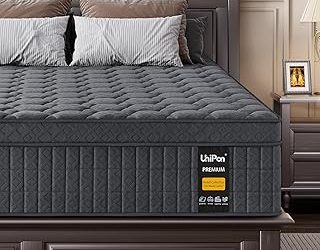
- Loft and Breathability Trade-Off: Thicker pillow-top designs feel luxurious but can trap warm air in dense foam cores. Opt for toppers with ventilated foam or open-knit covers that allow heat to escape downward through the mattress rather than pooling at the surface.
- Pocket Depth and Fit: Measure your mattress depth before purchasing. Deep-pocket designs (18–21 inches) prevent the topper from shifting during the night, which matters because bunching creates uneven insulation zones that generate hot spots.
- Moisture Management: Hot sleepers perspire more, so fabrics that wick moisture away from skin prevent that clammy wake-up feeling. Bamboo-derived viscose excels here because its microstructure pulls sweat into the fiber and releases it through evaporation.
- Maintenance and Longevity: Machine-washable toppers save time, but check whether the cooling properties degrade after repeated cycles. Some phase-change treatments hold up for years while others fade after a dozen washes—read care instructions carefully before committing.
The Best Cooling Mattress Toppers For Hot Sleepers (2026) Reviewed
Elegear Arc-Chill® 3.0 PCM Cooling Mattress Pad
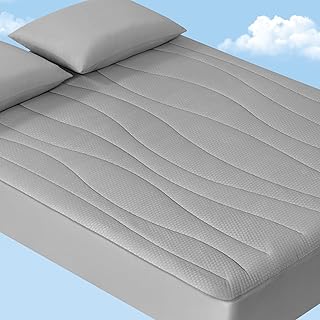
The Elegear stands apart for its Arc-Chill® 3.0 phase-change fabric, which actively absorbs body heat and redistributes it rather than simply venting it. On contact, the surface feels noticeably cooler than room temperature, and that sensation holds through the night. It’s the strongest choice for anyone who sleeps hot enough that passive wicking alone isn’t sufficient.
Niagara Sleep Solution Ultra Soft Cooling Bamboo Topper
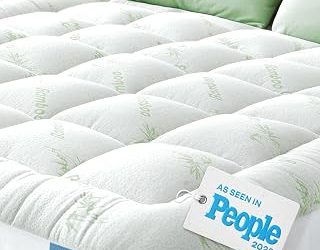
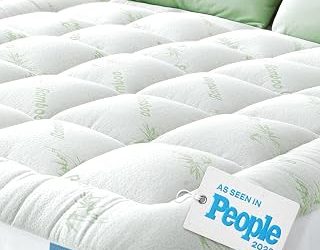
Rayon derived from bamboo gives this Niagara model a buttery hand-feel while pulling moisture away from the skin surface with impressive efficiency. The pillow-top construction adds cushioning without the dense heat retention of memory foam, making it ideal for side sleepers who want pressure relief and airflow in the same package.
DOWNCOOL Waterproof Bamboo Viscose Topper
DOWNCOOL combines full waterproof protection with bamboo viscose breathability—a rare pairing that matters for hot sleepers who also contend with night sweats or incontinence concerns. The waterproof barrier prevents liquid from reaching the mattress without creating the plastic-barrier heat trap you’d expect, thanks to a micro-porous membrane design.
Niagara Sleep Solution 100% Cotton Cooling Topper
For purists who prefer all-natural construction, this all-cotton Niagara topper delivers cloud-like softness through long-staple fibers that resist pilling. Cotton’s natural thermoregulation works through capillary action—pulling warmth and moisture away from the body and releasing it into ambient air. No synthetic technology required.
Queen Cotton Extra Thick Pillow Top Mattress Pad
This topper packs substantial loft into a 100% cotton shell, offering genuine back-pain cushioning without synthetic foam layers. The dense cotton fill breathes better than equivalent-thickness polyester alternatives, though sleepers in extremely humid climates may prefer a more open-weave design for faster moisture evaporation.
Frequently Asked Questions
Do cooling mattress toppers really work for hot sleepers?
Yes, but effectiveness depends on the technology. Phase-change materials actively regulate temperature, while bamboo viscose and cotton work passively through moisture wicking and airflow. Neither eliminates heat entirely, but both meaningfully reduce the overheating cycle that disrupts sleep.
How thick should a cooling mattress topper be?
Two to three inches offers the best balance of comfort and cooling. Thicker toppers add cushioning but trap more heat in their core. If cooling is the priority over pressure relief, lean toward thinner profiles with open-structure covers.
Will a cooling topper make my bed feel firmer or softer?
Most cooling toppers add a softer layer on top of the existing mattress. Pillow-top models feel noticeably plush, while thinner PCM pads like the Elegear barely change firmness. Choose based on whether you need additional cushioning or primarily want temperature control.
Can I use a mattress protector with a cooling topper?
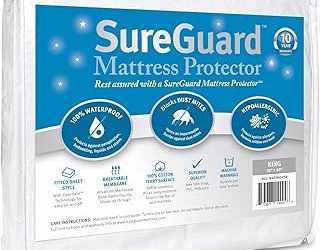
You can, but a standard waterproof protector may counteract the topper’s cooling properties by adding an insulating barrier. If you need waterproofing, look for breathable membrane protectors or choose an integrated waterproof-topper like the DOWNCOOL.
Final Thoughts
For the most active cooling performance, the Elegear Arc-Chill® 3.0 leads the field with technology that genuinely absorbs heat rather than just ventilating it. The Niagara Ultra Soft Bamboo offers the best combination of moisture management and pillow-top comfort for everyday use. And if you prefer natural materials without synthetic tech, the Niagara 100% Cotton topper delivers reliable breathability through time-tested fabric science. Each addresses the same core problem—overheating—through a different mechanism, so match your pick to how you actually sweat.