Key takeaways
- Confirm Twin XL, not Twin: Nearly every residence hall bed runs 38 by 80 inches, five inches longer than a standard Twin. A regular Twin topper leaves your feet on bare institutional foam, which is exactly where cold spots and pressure show up first.
- Match thickness to the mattress underneath: Two inches smooths a mediocre surface and keeps the bed slim enough for bunked or lofted frames. Three inches is the sweet spot for most students. Four inches is for mattresses so thin you can feel the platform through them.
- Take cooling seriously: Dorms run hot, radiators are usually unzoned, and memory foam holds warmth. Gel infusions, copper, and open ventilation channels all help. This matters far more in a sealed cinderblock room than it does in a house with real airflow.
- Insist on a removable, washable cover: You will not be hauling foam to a laundry room. A zip-off cover you can throw in with the sheets is the difference between a topper that lasts four years and one that gets abandoned by spring.
- Plan for slippage and storage: Straps or a non-slip base keep the topper from migrating on a slick vinyl mattress. Also check that it compresses again — most ship rolled, and you’ll want it to fit in a car trunk come May.
What's inside
I spend my working life adjusting how rooms feel after dark — dimmer curves, color temperature, where the glow lands at eleven at night. Dorm rooms are the hardest brief I get. The overhead fixture is a flat 4000K panel nobody chose, the walls bounce nothing back, and the bed sits at the center of it all wearing a vinyl-wrapped slab of institutional foam. Students arrive with string lights and a clip lamp, soften the light beautifully, then lie down on a surface that undoes the whole illusion in about four seconds. Ambience isn’t only visual. The body reads the room through the shoulders and hips too, and a mattress that pushes back tells it this is not a place to rest.
That’s why I treat a Twin XL topper as the first layer of a lighting scheme rather than an afterthought. Get the bed right and the warm lamp glow finally has something to land on. Below are the toppers I recommend to students and parents for 2026 — a mix of low-profile 2-inch options, mid-height 3-inch builds, and one substantial 4-inch pick for anyone dealing with a genuinely punishing dorm mattress. After the picks, I’ve broken down what actually matters when comparing them, plus answers to the questions I get asked every August.
As an Amazon Associate we earn from qualifying purchases.




🛒 Best Price Today on Amazon
Prime members get fast, free shipping on everything above, plus member-only deals. New members get a 30-day free trial — cancel anytime.
How to Choose a Mattress Topper For Dorm Rooms (2026)
- Confirm Twin XL, not Twin: Nearly every residence hall bed runs 38 by 80 inches, five inches longer than a standard Twin. A regular Twin topper leaves your feet on bare institutional foam, which is exactly where cold spots and pressure show up first.
- Match thickness to the mattress underneath: Two inches smooths a mediocre surface and keeps the bed slim enough for bunked or lofted frames. Three inches is the sweet spot for most students. Four inches is for mattresses so thin you can feel the platform through them.
- Take cooling seriously: Dorms run hot, radiators are usually unzoned, and memory foam holds warmth. Gel infusions, copper, and open ventilation channels all help. This matters far more in a sealed cinderblock room than it does in a house with real airflow.
- Insist on a removable, washable cover: You will not be hauling foam to a laundry room. A zip-off cover you can throw in with the sheets is the difference between a topper that lasts four years and one that gets abandoned by spring.
- Plan for slippage and storage: Straps or a non-slip base keep the topper from migrating on a slick vinyl mattress. Also check that it compresses again — most ship rolled, and you’ll want it to fit in a car trunk come May.
The Best Mattress Topper For Dorm Rooms (2026)s Reviewed
Linenspa 2 Inch Gel Memory Foam Topper
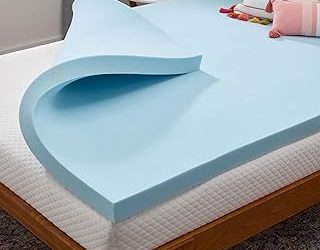
The most sensible entry point: two inches of gel-infused foam with a plush surface feel, CertiPUR-US certified, at a price that doesn’t sting if it stays behind at graduation. Best for lofted setups where headroom is tight and every inch of clearance counts.
ViscoSoft 3 Inch Select High Density Topper
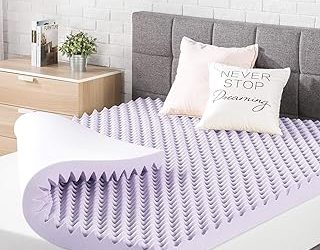
A denser, more structured build than most budget foam, with ventilation channels running through it and a removable rayon cover that feels genuinely soft against skin. This is my default recommendation for students who want real support without stepping up to a four-inch profile.
Sleepyhead 2 Inch Cooling Gel Topper
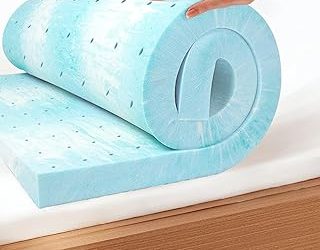
Purpose-built for college beds, and it shows in the details — cooling gel foam, meaningful pressure relief for a two-inch pad, and a washable cover that comes off easily. A smart pick for hot sleepers who still need to keep the bed low.
ViscoSoft Active Cooling 4 Inch Copper-Infused Topper
The heavy hitter. Copper-infused foam and a firm feel transform the worst dorm mattresses, and the anchoring straps stop it from wandering overnight. Confirm your frame height first, since four inches plus bedding adds up fast under a lofted bunk.
ELEMUSE 3 Inch Dual Layer Topper
Two inches of cooling gel foam under a one-inch pillow top gives you softness at the surface and support beneath — a layered approach I appreciate, since it works the way good lighting does. Ideal for side sleepers who find single-density foam too flat.
Frequently Asked Questions
Will a topper make my bed too tall to loft?
Rarely, but check. Add the topper height to your mattress and bedding, then measure against the clearance under your lofted frame or upper bunk. Two-inch options are the safe choice when headroom is genuinely limited.
How long does the new-foam smell last?
Usually 24 to 72 hours. Unroll the topper as soon as it arrives, leave it uncovered near an open window, and it should be neutral by the time you make the bed.
Do I still need a mattress protector?
Yes. A thin waterproof protector goes over the topper and saves the foam from spills and everything else dorm life produces. It costs little and extends the topper’s usable life considerably.
Can it be reused next year?
Absolutely, provided you store it flat or loosely rolled rather than folded and compressed for months. Foam holds a crease, and a permanent fold line becomes a ridge you’ll feel through the sheets.
Final Thoughts
For most students, the ViscoSoft 3 Inch Select strikes the best balance of support, breathability, and cover quality, while the ELEMUSE 3 Inch Dual Layer is the one I’d choose for side sleepers who want a softer landing. If the dorm mattress is truly beyond saving, the ViscoSoft Active Cooling 4 Inch is worth the extra height. Get the bed sorted, swap that overhead panel for a warm lamp, and the room finally starts behaving like somewhere you’d want to sleep.