Key takeaways
- Confirm the size first: Most residence halls issue Twin XL (39″ x 80″), five inches longer than a standard twin. A regular twin topper will leave your feet on bare vinyl, so check your housing portal before ordering.
- Match thickness to your complaint: Two inches evens out a merely firm mattress. Three inches is what you want if you can feel the springs or coil edges, or if you sleep on your side.
- Take cooling seriously: Dorm rooms are notoriously unventilated and often have no thermostat control. Gel infusion, ventilated foam, and bamboo-derived rayon covers all measurably help.
- Look at how it anchors: Deep-pocket skirts and elastic straps matter more in a lofted bed you climb into sideways. A topper that migrates every night stops being comfortable fast.
- Plan for the wash cycle: A removable, machine-washable cover is worth paying for when the nearest laundry room is three floors down and shared by forty people.
What's inside
Every dorm room I’ve ever been asked to soften has the same problem: a hard slab of a mattress under an unshaded ceiling fixture, both of them broadcasting the same message — institutional. As someone who spends their working life adjusting how a space reads at 11 p.m. versus 7 a.m., I can tell you the bed does more heat-lifting than any lamp you buy. It’s the largest horizontal plane in the room, it catches whatever light you throw at it, and it’s the only surface a student touches for eight hours a day. A thin vinyl-wrapped dorm mattress reflects light flatly and sleeps worse than a bus seat.
A topper fixes both halves at once. It gives you the loft that makes bedding drape instead of stretch, the texture that diffuses harsh overheads into something closer to warm shadow, and — practically speaking — the pressure relief that keeps hips and shoulders from aching by October. Below are the toppers I’d actually specify for a Twin XL dorm setup in 2026, with notes on thickness, cooling, and how each one behaves once the sheets go on.
As an Amazon Associate we earn from qualifying purchases.



🛒 Best Price Today on Amazon
Prime members get fast, free shipping on everything above, plus member-only deals. New members get a 30-day free trial — cancel anytime.
How to Choose a Mattress Topper For Dorm Beds (2026)
- Confirm the size first: Most residence halls issue Twin XL (39″ x 80″), five inches longer than a standard twin. A regular twin topper will leave your feet on bare vinyl, so check your housing portal before ordering.
- Match thickness to your complaint: Two inches evens out a merely firm mattress. Three inches is what you want if you can feel the springs or coil edges, or if you sleep on your side.
- Take cooling seriously: Dorm rooms are notoriously unventilated and often have no thermostat control. Gel infusion, ventilated foam, and bamboo-derived rayon covers all measurably help.
- Look at how it anchors: Deep-pocket skirts and elastic straps matter more in a lofted bed you climb into sideways. A topper that migrates every night stops being comfortable fast.
- Plan for the wash cycle: A removable, machine-washable cover is worth paying for when the nearest laundry room is three floors down and shared by forty people.
The Best Mattress Topper For Dorm Beds (2026)s Reviewed
ELEMUSE Twin XL Thick Pillow Top Bed Pad
This is the one I recommend when the goal is visual softness as much as comfort — the quilted pillow-top loft gives sheets something to fall over, so the bed stops looking like a shelf. The deep-pocket skirt grips a standard dorm mattress securely, and it’s the easiest option here to launder mid-semester.
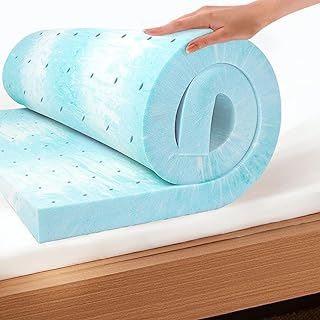
ELEMUSE Twin XL 3 Inch Dual Layer Memory Foam Topper
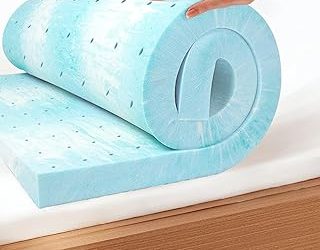
The smartest engineering in this roundup: two inches of cooling gel foam for contouring support, capped with an inch of pillow top so you’re not sleeping directly on foam. That combination solves the classic memory foam complaint — sinking in and overheating — and it’s my pick for anyone with a genuinely uncomfortable mattress.
Niagara Sleep Solution Bamboo Cooling Topper
The rayon-derived-from-bamboo surface is the coolest-feeling fabric of the group, which makes this the obvious choice for hot sleepers and un-air-conditioned buildings. The 20″ deep pocket also accommodates unusually thick institutional mattresses that defeat other skirts.
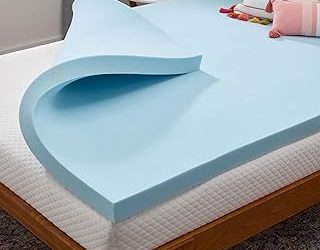
SINWEEK 2 Inch Gel Memory Foam Topper, Twin XL
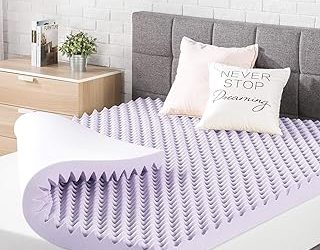
A clean, restrained option: CertiPUR-US certified, ventilated for airflow, and just enough foam to take the hardness off without changing the height of your bed. Good value if your mattress is decent and only needs a little tempering.
EGO 2 Inch Twin Gel Memory Foam Topper
Note the sizing here — 75″ x 38″, a standard twin rather than Twin XL — which makes it right for off-campus apartments, guest beds, and the minority of dorms with shorter frames. The gel-infused foam delivers solid pressure relief for the money.
Frequently Asked Questions
Do dorm mattresses really need a topper?
Most are built for durability and sanitation, not comfort, with dense foam or springs wrapped in a wipeable cover. A topper is the single highest-impact upgrade you can make to a dorm room, and it costs less than a decent desk lamp.
Twin or Twin XL?
Assume Twin XL unless your housing office says otherwise — it’s the standard across the majority of U.S. universities. Order a standard twin only if you’ve measured the frame yourself.
Will 3 inches make my lofted bed awkward?
It raises your sleeping surface, which can matter under low bunks or safety rails. Measure your headroom; if it’s tight, go with a 2-inch model or a quilted pillow top instead.
How do I keep a foam topper from smelling new?
Unbox it in a ventilated space and let it breathe for 24 to 48 hours before dressing the bed. CertiPUR-US certified foams, like the SINWEEK and EGO options, off-gas quickly and minimally.
Final Thoughts
For most students moving into a standard Twin XL, the ELEMUSE 3 Inch Dual Layer topper is the best all-around choice — it addresses hardness and heat in one product. If your building runs warm, the Niagara Sleep Solution bamboo topper is the cooler-sleeping pick, and if you mainly want the bed to feel and look inviting rather than restructured, the ELEMUSE Pillow Top Bed Pad does that with the least fuss.