Key takeaways
- Support versus softness: Back pain usually needs both. Dense gel memory foam holds the hips level while a plush upper layer keeps shoulders and pressure points from going numb. A topper that is only soft will let you sink out of alignment by 3am.
- Thickness, chosen deliberately: Two to three inches refines an existing surface. Four to five inches rewrites it, which is what you want over a mattress that has already developed a dip. Deeper is not automatically better — thick foam on a soft base can amplify the sag.
- Heat behaviour: Foam stores warmth the way a sealed shade traps it. Look for gel infusions, mesh side panels, or bamboo-derived viscose and rayon covers if you sleep hot, since overheating fragments sleep and undoes the postural benefit.
- Fit and anchoring: Check the pocket depth against your mattress plus any protector. Elastic skirts rated to 18–21 inches and four-way corner straps stop the topper from creeping, and a topper that shifts overnight reintroduces the misalignment you bought it to solve.
- Break-in and off-gassing: Foam arrives compressed and needs 24 to 72 hours to reach full loft. Air it in a ventilated room before you judge it, and give your spine a week to adapt before drawing conclusions.
What's inside
In lighting work, we talk constantly about layers: the ambient wash, the task pool, the low accent glow that tells your nervous system the day is over. What I’ve learned after years of tuning bedrooms is that people will spend a fortune dimming a room to 2200K and then lie down on a surface that keeps their lumbar spine on high alert all night. The mattress is the last layer, and if it’s wrong, no amount of warm light will rescue the room. Back pain sufferers feel this most sharply — a sagging or overly rigid surface forces the hips out of line, and the body spends the night bracing instead of settling.
A topper is the cheapest meaningful correction available. It won’t fix a genuinely dead mattress, but it can rebalance a too-firm one, restore loft to a compressed one, and change how a bed reads to the body within a single night. Below I’ve gathered the toppers worth considering in 2026, judged the way I judge a fixture: does it do one job well, does it hold its character over time, and does it play nicely with everything else in the room. You’ll find guidance on choosing, honest notes on each pick, and answers to the questions that come up most.
As an Amazon Associate we earn from qualifying purchases.


🛒 Best Price Today on Amazon
Prime members get fast, free shipping on everything above, plus member-only deals. New members get a 30-day free trial — cancel anytime.
How to Choose the Best Mattress Topper for Back Pain (2026)
- Support versus softness: Back pain usually needs both. Dense gel memory foam holds the hips level while a plush upper layer keeps shoulders and pressure points from going numb. A topper that is only soft will let you sink out of alignment by 3am.
- Thickness, chosen deliberately: Two to three inches refines an existing surface. Four to five inches rewrites it, which is what you want over a mattress that has already developed a dip. Deeper is not automatically better — thick foam on a soft base can amplify the sag.
- Heat behaviour: Foam stores warmth the way a sealed shade traps it. Look for gel infusions, mesh side panels, or bamboo-derived viscose and rayon covers if you sleep hot, since overheating fragments sleep and undoes the postural benefit.
- Fit and anchoring: Check the pocket depth against your mattress plus any protector. Elastic skirts rated to 18–21 inches and four-way corner straps stop the topper from creeping, and a topper that shifts overnight reintroduces the misalignment you bought it to solve.
- Break-in and off-gassing: Foam arrives compressed and needs 24 to 72 hours to reach full loft. Air it in a ventilated room before you judge it, and give your spine a week to adapt before drawing conclusions.
The Best Mattress Toppers for Back Pain, Reviewed
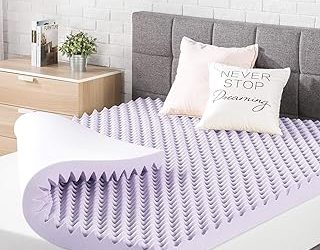
SHOUREN 5 Inch Gel Memory Foam Topper
The most structural option here, with five inches of gel-infused foam that contours without collapsing — genuinely capable of masking a worn spot in an older mattress. Four-way straps keep it anchored, which matters at this height, and side sleepers with lower-back complaints tend to notice the difference fastest.
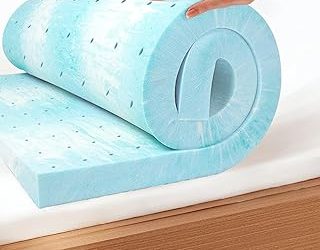
WhatsBedding 5 Inch Memory Foam Topper
Similar depth to the SHOUREN but a softer read, pairing supportive foam with a breathable fluffy fill for a pillow-top feel. A sensible pick if your mattress is punishingly firm and you want cushioning without floating on top of the bed.
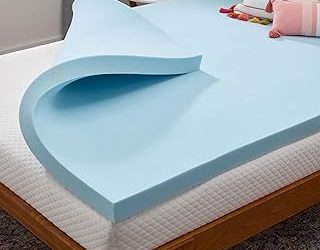
3 Inch Ultra-Fluffy Memory Foam Topper
The clever detail is the breathable air mesh sides, which let heat escape laterally rather than pooling underneath you. Three inches with 4X support zoning is the sweet spot for a decent mattress that has simply lost some comfort, and the 6–21 inch pocket fits almost anything.
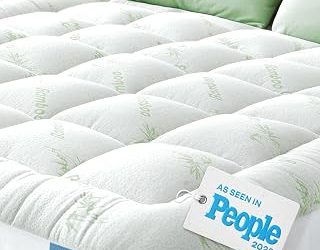
BEDLORE Viscose Bamboo Pillow Top Topper
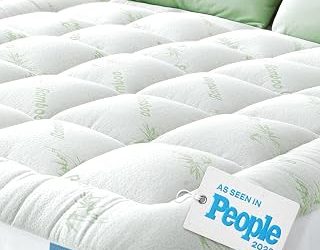
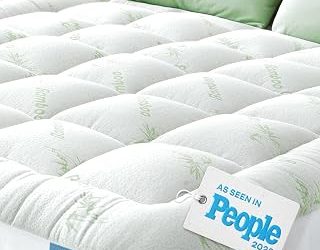
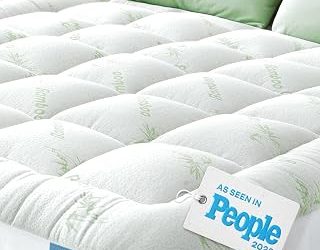
My preference for warm rooms and warm sleepers. The bamboo-derived viscose cover feels cool to the touch and stays that way, while stretchable pockets handle 6–18 inch mattresses without straining at the corners — quiet, comfortable, low-drama.
ELEMUSE Extra Thick Pillowtop Topper
Overfilled down-alternative rather than foam, so it cushions rather than contours — best for upper-back and shoulder discomfort on a mattress that is already supportive underneath. The deep elastic pocket is generous, and it launders more easily than any foam option here.
Frequently Asked Questions
Will a topper actually help my back pain?
It can, if the problem is surface-level: a too-firm bed, a mild dip, or insufficient pressure relief. It cannot correct a broken foundation or substitute for medical advice on a persistent injury.
Firm or soft for lower-back pain?
Medium-firm with a cushioned top layer suits most people. You want your hips supported in line with your shoulders, not sunk below them.
Do foam toppers sleep hot?
Traditional foam does. Gel infusions, mesh venting, and bamboo-derived covers — as on the Niagara Sleep Solution and BEDLORE — reduce that noticeably.
How long should one last?
Roughly three to five years for quality foam, less for fibre-filled pillow tops, which need regular fluffing to keep their loft.
Final Thoughts
If your mattress has genuinely gone soft, the SHOUREN 5 Inch gives you the most corrective support for the money. Warm sleepers should start with the BEDLORE bamboo topper, and anyone whose bed is firm but sound will get the most comfort per pound from the ELEMUSE pillowtop. Get the surface right, then dim the lights — in that order.