Key takeaways
- Density before thickness: Three inches of low-density foam collapses into the dip you’re trying to correct. High-density memory foam is what holds the hips in plane with the shoulders; treat the inch count as secondary to how much material is packed into it.
- Match loft to mattress condition: A firm mattress that’s merely lost its edge needs 2 inches. A softer or moderately worn bed needs 3. Neither will rescue a mattress with a visible trough — that’s a structural problem, not a surface one.
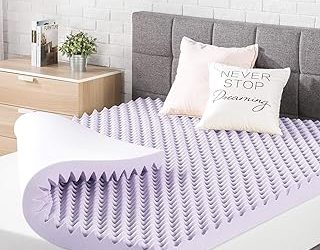
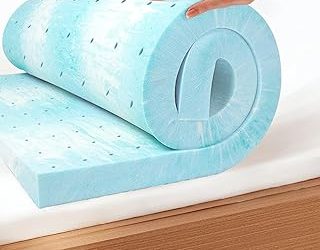
- Plan for heat: Dense foam traps warmth the way a dark ceiling traps light. Gel infusion, ventilation channels, or a bamboo-rayon cover keep the surface from becoming the warmest thing in the room.
- Removable, washable cover: Foam can’t be laundered. A zip-off cover is the difference between a topper that lasts five years and one that starts smelling like a gym bag by month eight.
- Anchoring and certification: Anti-slip straps stop the nightly creep toward the footboard. CertiPUR-US and OEKO-TEX marks tell you the foam won’t off-gas into a sealed bedroom for weeks.
What's inside
I spend my working hours deciding how a room lets go of the day — where the lamps sit, how low the dimmer travels at 10 p.m., which surfaces absorb light and which bounce it back at you. What I’ve learned specifying bedrooms is that the mattress is the last fixture in the sequence, and it’s the one nobody adjusts. You can warm the color temperature, kill the blue spill from the closet, hang blackout drapes with a proper return, and still be woken at 3 a.m. by a lumbar ache that no amount of ambience will dim. Sagging foam pulls the hips below the shoulders, the spine takes on a shallow hammock curve, and the body compensates all night long.
A firm topper is the cheapest way to re-level that surface without replacing the whole bed. This guide covers the high-density picks I keep coming back to when a client’s mattress is soft but not dead, what actually matters in the spec sheet (density, loft, cover, heat), and where each option fits — from extra-firm foam built for back sleepers to a thin ventilated layer for dorm and guest rooms.
As an Amazon Associate we earn from qualifying purchases.


🛒 Best Price Today on Amazon
Prime members get fast, free shipping on everything above, plus member-only deals. New members get a 30-day free trial — cancel anytime.
How to Choose a Firm Mattress Topper for Back Pain (2026)
- Density before thickness: Three inches of low-density foam collapses into the dip you’re trying to correct. High-density memory foam is what holds the hips in plane with the shoulders; treat the inch count as secondary to how much material is packed into it.
- Match loft to mattress condition: A firm mattress that’s merely lost its edge needs 2 inches. A softer or moderately worn bed needs 3. Neither will rescue a mattress with a visible trough — that’s a structural problem, not a surface one.
- Plan for heat: Dense foam traps warmth the way a dark ceiling traps light. Gel infusion, ventilation channels, or a bamboo-rayon cover keep the surface from becoming the warmest thing in the room.
- Removable, washable cover: Foam can’t be laundered. A zip-off cover is the difference between a topper that lasts five years and one that starts smelling like a gym bag by month eight.
- Anchoring and certification: Anti-slip straps stop the nightly creep toward the footboard. CertiPUR-US and OEKO-TEX marks tell you the foam won’t off-gas into a sealed bedroom for weeks.
The Best Firm Mattress Toppers for Back Pain (2026), Reviewed
Sleepmax Extra Firm 3 Inch Topper
The firmest recommendation here, and the right call for back and stomach sleepers who want the sensation of a rebuilt mattress rather than a cushion laid over one. Its fusion foam resists the slow sink that softer toppers develop by hour three, and the washable cover is genuinely worth having.
BedStory Firm Topper
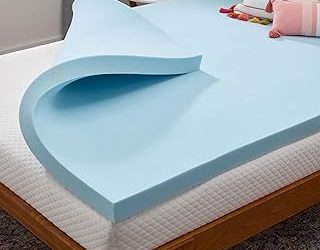
Built explicitly around back pain relief, with high-density foam that stays flat under the lumbar rather than yielding to the hips first. If your complaint is a lower-back ache that arrives on waking, this is the most direct fix on the list.
Extra Firm Full Topper with Bamboo Cover
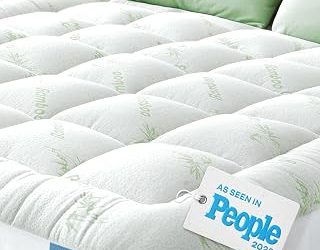
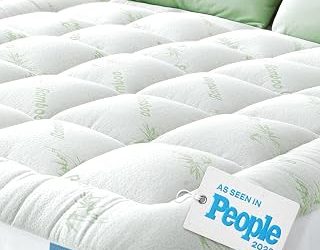
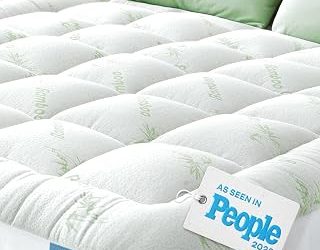
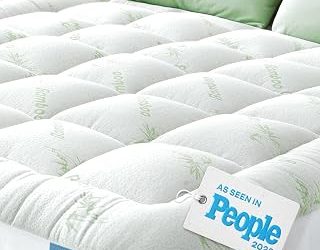
The best-equipped option for smaller beds — a bamboo washable cover, anti-slip straps, and both CertiPUR-US and OEKO-TEX certification in one package. Ultra-firm support with breathability engineered in, which is a rare combination at this loft.
PERLECARE Firm Topper
My pick for warm sleepers who still need real support. The cooling bamboo cover moves heat away from the sleep surface while the high-density core delivers proper pressure relief across shoulders and hips, and the whole cover comes off for washing.
ViscoSoft 3 Inch Select High Density
The most refined of the group. Its soft bamboo-rayon cover gives the bed a finished, hotel-grade hand while the dense core underneath does the structural work — a good choice when the room is styled and you don’t want a slab-of-foam look.
Frequently Asked Questions
Will a firm topper fix a sagging mattress?
It levels a mild dip and restores support to a mattress that’s gone soft. It cannot bridge a deep valley or a broken coil — foam follows whatever shape sits below it.
Is firm always better for back pain?
Not always. Back and stomach sleepers usually improve on a firmer surface; side sleepers need enough give at the shoulder to keep the spine straight. Medium-firm is the safer target if you switch positions.
How long does the new-foam smell last?
CertiPUR-US foam typically airs out in 24 to 72 hours. Unwrap it in daylight with a window cracked and let it expand fully before dressing the bed.
Do I need a mattress protector as well?
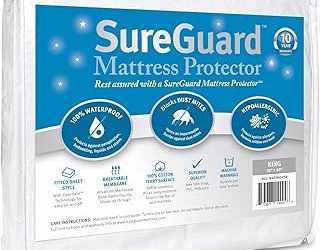
Yes. A washable cover handles surface grime, but a protector keeps moisture out of the foam core, which is where toppers actually fail.
Final Thoughts
If your mornings start with a stiff lower back, the BedStory Firm Topper is the most targeted answer, while the Sleepmax Extra Firm suits anyone who wants maximum rigidity underfoot. For a bedroom where the finish matters as much as the support, the ViscoSoft 3 Inch Select gives you both — the last cue in a well-designed evening.