Key takeaways
- Zoned Support Architecture: Look for mattresses that segment support into distinct regions — firmer under the lumbar curve, softer beneath the shoulder. A seven-zone pocket spring layout, for instance, cradles each pressure point independently rather than collapsing into a single flat plane.
- Pressure-Relieving Comfort Layers: Memory foam or copper-gel infused foam in the top two to three inches absorbs lateral force at the hip. Without adequate comfort depth, side sleepers bottom out quickly, turning a medium-firm surface into a hard one by week three.
- Cooling and Breathability: Dense foam traps body heat, which paradoxically softens materials unevenly and accelerates sagging. Hybrid builds with individually wrapped coils promote airflow channels, while gel-infused or graphene covers actively wick warmth away from the contact zone.
- Edge Stability and Motion Isolation: Pocket springs isolate partner movement so one sleeper’s shift doesn’t jolt the other — critical when pain already fragments your rest. Reinforced edges also let you use the full surface area without that rolling-off sensation.
- Certifications and Trial Length: CertiPUR-US certification confirms foams are free from harmful chemicals, and fiberglass-free construction eliminates an irritation risk that still plagues some budget models. A 365-night trial gives you a full seasonal cycle to evaluate real-world comfort.
What's inside
Shopping for a mattress when your hips ache and your lower back locks up is a lot like choosing lighting for a room: get it wrong and everything feels off, from your posture to your sleep quality. Side sleepers face a particular challenge because the shoulder and hip become pressure hotspots — and when those spots aren’t cushioned properly, pain compounds night after night, draining energy you need during the day.
This guide cuts through the noise around the 2026 mattress landscape for side sleepers dealing with back and hip pain. We evaluated each option the way an ambience designer evaluates a space: how well does it distribute load, regulate temperature, and sustain structural integrity over time? After sorting through dozens of hybrids and foam builds, the six models below stood out for targeted pressure relief, lumbar support, and long-term durability.
As an Amazon Associate we earn from qualifying purchases.




🛒 Best Price Today on Amazon
Prime members get fast, free shipping on everything above, plus member-only deals. New members get a 30-day free trial — cancel anytime.
How to Choose a Mattress For Side Sleepers With Back And Hip Pain (2026)
- Zoned Support Architecture: Look for mattresses that segment support into distinct regions — firmer under the lumbar curve, softer beneath the shoulder. A seven-zone pocket spring layout, for instance, cradles each pressure point independently rather than collapsing into a single flat plane.
- Pressure-Relieving Comfort Layers: Memory foam or copper-gel infused foam in the top two to three inches absorbs lateral force at the hip. Without adequate comfort depth, side sleepers bottom out quickly, turning a medium-firm surface into a hard one by week three.
- Cooling and Breathability: Dense foam traps body heat, which paradoxically softens materials unevenly and accelerates sagging. Hybrid builds with individually wrapped coils promote airflow channels, while gel-infused or graphene covers actively wick warmth away from the contact zone.
- Edge Stability and Motion Isolation: Pocket springs isolate partner movement so one sleeper’s shift doesn’t jolt the other — critical when pain already fragments your rest. Reinforced edges also let you use the full surface area without that rolling-off sensation.
- Certifications and Trial Length: CertiPUR-US certification confirms foams are free from harmful chemicals, and fiberglass-free construction eliminates an irritation risk that still plagues some budget models. A 365-night trial gives you a full seasonal cycle to evaluate real-world comfort.
The Best Mattress For Side Sleepers With Back And Hip Pain (2026)s Reviewed
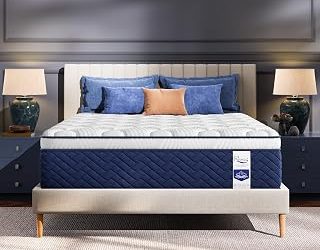
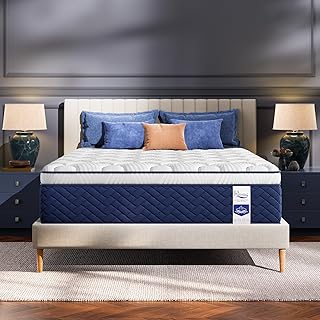
Sleepmax 14-Inch Hybrid Mattress
The Sleepmax balances a generous 14-inch profile with purposeful layering that reads like a well-designed room — every element has a job. Its enhanced deep-sleep hybrid construction delivers pronounced pressure relief at the hip without the “sinking” feeling that traps heat, making it a strong all-around pick for chronic side-sleepers with sensitivity along the iliotibial band and lower back.
Hotel Collection 14-Inch 7-Zone Hybrid
This mattress takes a zoned approach that designers will appreciate: seven distinct support regions map to the body’s natural contours, keeping the spine in a neutral line from cervical curve to lumbar arch. The extra back and hip reinforcement means it doesn’t just cushion — it actively corrects alignment throughout the night, which is exactly what overstressed soft tissue needs to recover.
EGOHOME 14-Inch Copper Gel Memory Foam
EGOHOME’s copper-infused foam and graphene-cool-tech cover tackle the twin enemies of pain and overheating with uncommon elegance. The copper gel conducts warmth away from dense contact areas while the Graphene-Cool cover maintains a stable surface temperature, so the foam responds consistently rather than becoming unpredictably pliable. Its ICA endorsement adds clinical credibility for buyers who want evidence behind the comfort claims.
12-Inch Cooling Hybrid with 7-Zone Pocket Springs
At a more accessible 12-inch height, this cooling hybrid doesn’t sacrifice zoning precision. Individual pocket springs flex independently under shoulder and hip, while the gel-infused comfort layer dampens pressure peaks without creating a hammock effect. For lighter side sleepers or those sharing a queen bed, the motion isolation here is especially quiet and effective.
14-Inch Deep Sleep Hybrid with Cooling Gel
Another strong mid-profile option, this Deep Sleep Hybrid pairs pocket springs with a cooling gel layer that keeps the sleeping surface thermally consistent — important for pain sufferers whose inflammation responds to temperature fluctuations. Lumbar-targeted support holds firm without turning rigid, striking that rare balance where softness meets structure.
Frequently Asked Questions
Why do side sleepers get more hip and back pain?
When you sleep on your side, the full weight of your torso concentrates on a narrow contact strip along the hip and shoulder. A mattress without sufficient contouring allows the pelvis to tilt unevenly, straining the lower back and compressing soft tissue around the greater trochanter. Over time, this mechanical stress inflames existing pain points and creates new ones.
Is a 14-inch mattress better than a 12-inch for pain relief?
Not automatically. A 14-inch mattress typically allows more distinct layer separation — a thicker comfort zone on top and deeper support underneath — which benefits heavier sleepers or those needing pronounced pressure relief. Lighter individuals often find a well-built 12-inch hybrid provides enough depth to cushion without feeling like they’re floating above the support system.
Do hybrid mattresses sleep cooler than all-foam?
Generally yes. The coil layer in a hybrid creates natural ventilation corridors that solid foam blocks simply cannot replicate. Combined with cooling gel or copper infusions in the comfort layers, hybrids maintain a more stable surface temperature, which prevents the material softening that makes all-foam beds feel inconsistent over a single night.
How long should I test a mattress before deciding?
Your body needs roughly 30 days to adjust to a new sleep surface, and pain response patterns often take longer to reveal themselves. The 365-night trials offered by the mattresses in this roundup give you an entire year — enough to evaluate performance across seasonal temperature changes and confirm that initial comfort translates into lasting relief.
Final Thoughts
For side sleepers managing back and hip pain, the EGOHOME 14-Inch stands out for its thermal engineering and clinical endorsement, while the Hotel Collection 7-Zone Hybrid delivers the most precise spinal alignment of the group. If budget flexibility matters, the Sleepmax 14-Inch offers a compelling balance of deep pressure relief and cooling performance at a competitive value. Any of these three will reshape how your body feels come morning — and that kind of ambience change is worth every penny.