Key takeaways
- CertiPUR-US certification, which addresses foam emissions and content — all six picks here carry it.
- Sleeping position: side sleepers generally want more give at the shoulder; back and stomach sleepers want the hips held level.
- Combination fills: the WhatsBedding topper pairs foam with a soft breathable stuffing for a pillow-top feel rather than pure foam contouring.
What's inside
I spend my working life tuning rooms — deciding where light lands, how warm it reads at 10 p.m., whether a space invites you to slow down or keeps you alert. Bedrooms are the hardest brief in the house, because the payoff isn’t visual at all. You can dim every fixture to a candlelit 2200K and still lose the night to a mattress that pushes back in the wrong places. A topper is the one layer that changes how the room feels from the inside out, and it’s cheaper than almost anything else you could swap.
This guide treats a memory foam topper the way I’d treat a lighting plan: as a set of adjustable layers you tune to the body and the room, not a single purchase you hope works out. Below you’ll learn how thickness actually behaves under weight, why gel infusion and ventilation matter more in some bedrooms than others, how to read density claims without a lab, and how to match a topper to the mattress you already own. A few models worth shortlisting are gathered first.
Our recommended picks, chosen for build quality, cooling design, and honest support:
As an Amazon Associate we earn from qualifying purchases.


🛒 Best Price Today on Amazon
Prime members get fast, free shipping on everything above, plus member-only deals. New members get a 30-day free trial — cancel anytime.
Thickness Is a Dimmer, Not a Switch
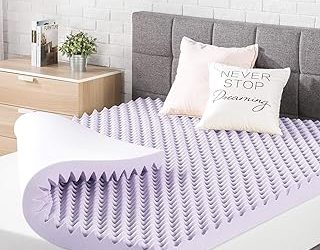
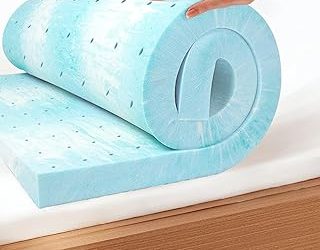
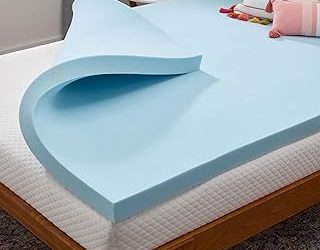
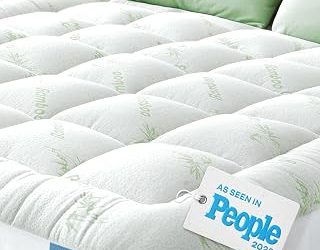
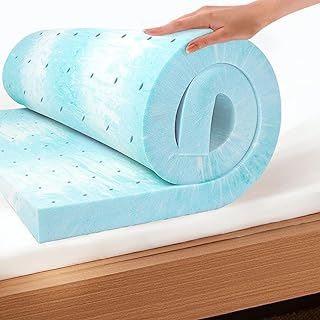
Think of inches the way I think of output levels. Two inches, like the Linenspa 2 Inch Gel Memory Foam Topper, softens a firm surface without erasing it — the right call when your mattress is fundamentally sound but too rigid at the shoulders and hips. Three inches is the versatile middle setting: the EGO 3 Inch Gel Memory Foam Topper, Best Price Mattress 3 Inch Ventilated Topper, and SINWEEK 3 Inch Ventilated Topper all sit in that range, deep enough for real contouring while keeping you close to the support core. Five inches is a different instrument entirely. The WhatsBedding 5 Inch Pillow Top and SHOUREN 5 Inch Extra Thick Topper essentially rebuild the comfort layer of the bed, which is what you want on an aging mattress or a hard platform, and too much on anything already plush.
Heat Is the Variable People Underestimate
Foam holds warmth the way a sealed room holds it — quietly, then all at once around 3 a.m. Gel infusion helps by giving heat somewhere to move, and open ventilation channels give it a route out. If your bedroom runs warm, faces afternoon sun, or sits under a roof, prioritize both. Ventilated builds like the Best Price Mattress and SINWEEK toppers are designed around airflow rather than treating it as an afterthought. In a cool, north-facing room, that same feature matters less, and you can weight your decision toward feel instead.
Density, Support, and Reading Between the Lines
Density determines whether a topper holds a shape or slowly gives up on it. High-density foam resists body impressions and supports heavier frames, which is why it’s the standard recommendation for back pain — the SINWEEK and SHOUREN models both lean on that. Lower-density foam feels softer immediately and flattens sooner. A few things worth checking before you commit:
- CertiPUR-US certification, which addresses foam emissions and content — all six picks here carry it.
- Sleeping position: side sleepers generally want more give at the shoulder; back and stomach sleepers want the hips held level.
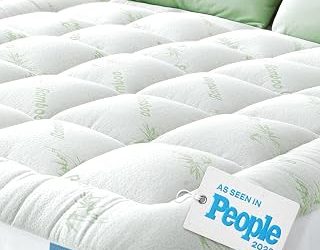
- Combination fills: the WhatsBedding topper pairs foam with a soft breathable stuffing for a pillow-top feel rather than pure foam contouring.
Fit, Covers, and Staying Put
Nothing undermines a well-composed bedroom faster than a topper that migrates overnight. Anchoring straps, like the four-way set on the SHOUREN, keep a thick layer registered to the mattress. A removable cover, such as the one on the SINWEEK, is the difference between washing a zip-off shell and spot-cleaning foam you can’t submerge. Confirm your fitted sheet has enough pocket depth for the added height — a queen topper at five inches can outrun a standard sheet quickly.
Match the Layer to What’s Underneath
A topper corrects surface feel; it can’t fix a failing core. If you can feel springs, see visible sagging, or roll toward a valley in the middle, foam on top will follow that contour. In that case, replacement is the honest answer. Where a topper earns its place is on a mattress that’s structurally fine but too firm, slightly worn at the comfort layer, or simply not tuned to a new sleeping position.
Tips
- Unbox and air the topper for 24 to 48 hours in a ventilated room before dressing the bed; new foam off-gasses a mild odor that dissipates.
- Give yourself two weeks to judge it. Foam softens as it warms to your body, and your back needs time to adjust.
- Rotate the topper end to end every few months to spread wear evenly.
- Pair it with a breathable mattress protector rather than a plastic-backed one — a sealed layer cancels out ventilation and gel infusion.
Frequently Asked Questions
Which thickness should I choose?
Two inches for mild softening, three for balanced contouring and pressure relief, five for rebuilding the comfort layer on a firm or aging mattress. Heavier sleepers generally need more thickness and higher density to avoid compressing straight through.
Does gel infusion genuinely sleep cooler?
It helps, particularly alongside ventilation channels and a breathable cover. Expect a noticeable improvement over untreated foam rather than the feel of a cooling pad.
Can a topper relieve back pain?
Often, when the pain comes from a surface that’s too firm or unevenly supportive. High-density options are the usual starting point. Persistent pain warrants a conversation with a clinician.
How long will one last?
Roughly three to five years with regular use, longer for denser foam. Permanent body impressions that don’t recover are the signal to replace it.
Conclusion
Approach a topper the way you’d approach the last adjustment in a lighting scene: small, deliberate, and made in response to what the room is actually doing. Decide your thickness by how much correction the mattress needs, weight cooling features by how warm your bedroom runs, and check density against your body and sleeping position. Get those three right and the difference shows up in how the space feels at the end of the day.