Key takeaways
- Use white cloths so dye cannot transfer and stain colour is easier to monitor.
- Photograph a difficult stain before cleaning, particularly in a rental or furnished property.
- Keep doors and windows positioned for cross-ventilation, but avoid directing outdoor pollution or pollen straight onto the bare mattress.
- Dim decorative lighting after the job is finished, then use a soft, warm lamp while the room airs; a restful visual environment makes it easier to notice lingering odours without making the bedroom feel clinical.
What's inside
A memory foam mattress holds onto body oils, dust, perspiration and occasional spills more readily than a traditional innerspring bed. Because the foam is dense and slow to dry, an over-wet cleaning job can leave behind a musty smell—or create a damp environment that is harder to correct. Cleaning also affects the atmosphere of the room: a fresh, dry mattress supports a calmer bedroom, while lingering detergent fragrance, visible spotting or a harsh work light can make the space feel less restful.
This guide explains the safest way to clean memory foam in 2026, from vacuuming and spot treatment to drying and deodorising. It also covers which tools are genuinely useful, how to compare mattress vacuums and cleaners, and how to protect the foam while keeping the room comfortable and softly lit throughout the process.
As an Amazon Associate we earn from qualifying purchases.




🛒 Best Price Today on Amazon
Prime members get fast, free shipping on everything above, plus member-only deals. New members get a 30-day free trial — cancel anytime.
Start With Preparation and Inspection
Remove sheets, protectors and blankets, then launder them according to their care labels. Check the mattress label before applying any product; some covers are removable, while others should remain attached. A mattress should be cleaned on a dry day when possible, with good airflow through the room.
Use angled daylight or a bright, indirect lamp to inspect the surface. Strong light from the side makes yellowing, crumbs and flattened areas easier to see without creating the glare that can hide faint stains. Avoid placing a hot work lamp close to the foam, and do not use candles, incense or open flames while sprays or solvents are present.
Vacuum the Surface Thoroughly
Begin with a clean upholstery attachment or a dedicated mattress vacuum. Move slowly in overlapping passes across the top, sides and seams, where dust and hair collect. Vacuuming is the essential first step: it removes loose debris before moisture turns it into a paste and prevents grit from being pushed deeper into the cover.
The Teant Mattress Bed Vacuum Cleaner combines strong suction with tapping, filtration and heat-oriented features. The CFBF Mattress Bed Vacuum Cleaner and FEPPO Mattress Vacuum Cleaner offer similar corded, handheld formats with HEPA filtration and UV-C features. Treat UV-C as an additional feature rather than a substitute for laundering, ventilation or regular vacuuming; never look directly at an operating UV-C light, and follow the manufacturer’s safety instructions.
For any appliance, compare filter quality, washable components, cord length, noise and ease of emptying—not just suction figures. A tool that is awkward or too loud is less likely to be used consistently, especially in a bedroom where preserving a quiet ambience matters.
Spot-Clean With Minimal Moisture
Memory foam should not be soaked, steam-cleaned or saturated with water. Excess moisture can travel below the cover and dry slowly. Instead, blot a fresh spill with white towels, working from the outside toward the centre. Do not rub aggressively, as friction can spread the mark and roughen the fabric.
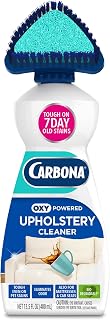
For a small stain, apply cleaner to a cloth or sponge rather than flooding the mattress. GEODE Mattress Cleaner & Deodorizer uses an enzyme formula intended for stains and odours, while Mattress Cleaner Foam Spray is designed as a no-rinse upholstery-style foam. Carbona Oxy Powered Upholstery Cleaner includes a brush and sponge and may be useful for suitable fabric surfaces. Always patch-test on a hidden area first, check the label for compatibility, and use the smallest practical amount.
Enzyme products may be helpful for organic residues, but they need appropriate contact time and thorough drying. Never mix cleaners, especially products containing bleach, acids, ammonia or oxidising agents. If a stain has penetrated deeply, repeated home treatment can do more harm than good; a professional upholstery or mattress service may be the better option.
Control Odour Without Over-Fragrancing
Fresh air is usually more effective than perfume. After spot treatment, open windows where weather and security allow, and use a fan to move air across—not directly into—the mattress. A quiet fan placed several feet away keeps the room feeling calm and avoids concentrating airflow on one damp patch.
If you use GEODE’s lavender-scented formula, remember that fragrance is not the same as odour removal. A heavily scented bedroom can interfere with sleep for sensitive occupants. Keep the room lightly ventilated until the mattress smells neutral and feels completely dry. Avoid sprinkling large quantities of powder into memory foam, since fine particles can settle inside the cover and may irritate airways.
Dry, Reassemble and Prevent Recurrence
Leave the mattress uncovered until there is no cool, damp sensation anywhere on the surface or seams. Depending on the amount of product used, this may take several hours. Do not replace bedding simply because the top feels dry; check corners, piping and the underside of the cover if accessible.
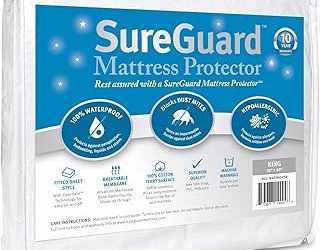
Once dry, rotate the mattress if the manufacturer permits, then fit a breathable, washable protector. Wash bedding regularly and vacuum the mattress every few months, increasing the frequency for pets, allergies or heavy perspiration. Keep the bed base ventilated, since restricted airflow underneath can contribute to odour and moisture retention.
Tips
- Use white cloths so dye cannot transfer and stain colour is easier to monitor.
- Photograph a difficult stain before cleaning, particularly in a rental or furnished property.
- Keep doors and windows positioned for cross-ventilation, but avoid directing outdoor pollution or pollen straight onto the bare mattress.
- Dim decorative lighting after the job is finished, then use a soft, warm lamp while the room airs; a restful visual environment makes it easier to notice lingering odours without making the bedroom feel clinical.
Frequently Asked Questions
Can I use a steam cleaner on memory foam?
Usually, no. Steam introduces heat and moisture deep into the foam, where drying is difficult. Unless the mattress manufacturer expressly approves steam cleaning, stick to careful vacuuming and limited spot treatment.
How often should I clean a memory foam mattress?
Vacuum it every few months and spot-clean spills as soon as they occur. Wash the protector and bedding more frequently. Homes with pets, allergies or high humidity may benefit from more regular surface vacuuming and improved ventilation.
Are mattress vacuums with UV-C safe and necessary?
They are not essential for routine cleaning, which depends primarily on removing debris, laundering bedding and controlling moisture. If you choose one, follow its instructions carefully, avoid exposing skin or eyes to active UV-C, and never assume the light replaces normal hygiene.
What should I do if the mattress still smells after cleaning?
Confirm that it is fully dry, then ventilate the room and inspect the cover, seams and bed base. Do not repeatedly add fragrance or cleaner. Persistent odour, mould-like spots or deep contamination calls for manufacturer advice or professional assessment.
Conclusion
The best way to clean a memory foam mattress is deliberately light-touch: vacuum first, treat stains sparingly, avoid saturation and allow generous drying time. Choose equipment for filtration, handling and practical reliability, not impressive specifications alone. With controlled airflow, a clean protector and a softly lit, well-ventilated bedroom, the mattress can stay fresher without compromising the comfort or atmosphere that makes the room restful.