Key takeaways
- Rotate your rug 180 degrees every six months to distribute wear and keep the pile lifting evenly under ambient light.
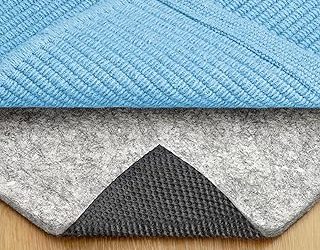
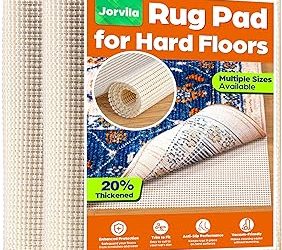
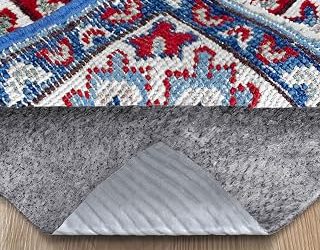
- Place a breathable rug pad underneath to reduce friction with the floor, improve cushioning, and prevent the foundation from cracking over time.
- Never steam-clean wool — the high heat and excess moisture break down protein fibers and can cause irreversible shrinkage.
- Store a wool rug rolled (not folded) with acid-free tissue paper in the roll if you’re putting it away seasonally, and keep it in a cool, dry space.
What's inside
A wool rug does more than cushion your feet — it shapes the way light settles into a room, the way sound travels across a conversation, and the subtle mood of a living space. When the fibers dull or the pile flattens under grime, the entire atmosphere shifts. As someone who spends my days composing how a room feels, I can tell you that a neglected rug quietly undermines even the most carefully curated lighting scheme.
This guide walks you through every essential step for keeping a wool rug clean, soft, and luminous without damaging the natural fibers. You’ll learn which tools to reach for, which cleaning agents are safe for wool, and a maintenance rhythm that protects both your investment and the ambience of your home.
As an Amazon Associate we earn from qualifying purchases.



🛒 Best Price Today on Amazon
Prime members get fast, free shipping on everything above, plus member-only deals. New members get a 30-day free trial — cancel anytime.
Understand What You’re Cleaning
Wool is a protein fiber, not a synthetic one, and that distinction changes everything. Hot water, alkaline cleaners, and aggressive agitation can strip the natural lanolin coating that gives wool its resilience and subtle sheen. Before you touch your rug, run your fingers across the surface: does it feel slightly waxy? That’s lanolin doing its job. Your goal during cleaning is to refresh the fibers without dissolving that protective layer. Always test any product in an inconspicuous corner first and keep water lukewarm at most.
Start with Dry Removal
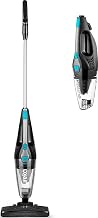
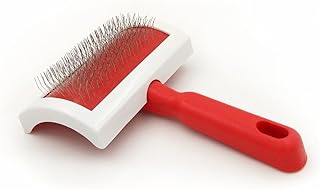
Before introducing any moisture, lift loose dirt and grit from deep within the pile. A stiff but flexible tool like the MetU Sheepskin Rug Brush or the CleanSheep Sheepskin Brush lets you sweep debris upward in the direction of the nap without scratching the foundation weave. Work in sections, flicking each brush stroke away from the rug’s center toward the edges. Follow up with a thorough vacuum on the lowest suction setting — high suction can distort the pile and pull at the foundation threads. Flip the rug over and vacuum the backing as well, since dust settles there too.
Spot-Treat Stains Immediately
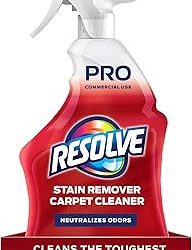
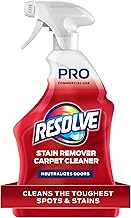
Fresh spills demand a blot-and-lift motion, never a rub. Press a clean, absorbent cloth into the stain and let capillary action draw liquid upward. For stubborn marks, a foam-based product applied lightly works well: the Bissell Woolite Advantage Heavy Traffic Carpet Foam or the BISSELL Woolite Advantage Carpet and Upholstery Cleaner both deposit a low-moisture lather that lifts grime without saturating the wool backing. Apply a small amount, let it sit for two to three minutes, then blot with a damp cloth and allow to air-dry completely before walking on the spot.
Deep-Clean with the Right Wash
Once or twice a year, depending on foot traffic, give your wool rug a proper wash. Outback Gold Wool Wash is purpose-built for this: its plant-based, enzyme-free, pH-neutral formula cleans without stripping lanolin, and it’s safe for delicate natural textiles from cashmere to baby garments. Mix a small amount into a basin of cool water, dip a soft sponge, and work the solution gently through the rug in straight, overlapping strokes. Rinse by sponging with clean water only — never wring or twist. Lay the rug flat on a drying rack in a shaded, well-ventilated area. Direct sunlight will fade dyes unevenly and stiffen the fibers.
Refresh Between Washes with Dry Powder
You don’t need to wet-clean every time the rug looks tired. Capture Carpet and Rug Dry Cleaner powder is a practical between-wash option: sprinkle it across the surface, work it into the pile with one of the brushes mentioned above, wait fifteen minutes for it to absorb odors and oils, then vacuum it up. The fresh natural scent it leaves behind is subtle enough not to compete with candles or incense — important when you’re curating a room’s sensory layers.
Tips
- Rotate your rug 180 degrees every six months to distribute wear and keep the pile lifting evenly under ambient light.
- Place a breathable rug pad underneath to reduce friction with the floor, improve cushioning, and prevent the foundation from cracking over time.
- Never steam-clean wool — the high heat and excess moisture break down protein fibers and can cause irreversible shrinkage.
- Store a wool rug rolled (not folded) with acid-free tissue paper in the roll if you’re putting it away seasonally, and keep it in a cool, dry space.
Frequently Asked Questions
Can I use regular carpet shampoo on my wool rug?
Avoid it. Most commercial carpet shampoos are formulated for synthetic nylon or polyester fibers and contain alkaline builders that damage wool. Stick to a pH-neutral wash designed specifically for wool and other protein fibers.
How often should I professionally clean a wool rug?
A professional immersion clean every two to three years is ideal for high-traffic rugs. In between, follow the home maintenance routine outlined above — regular brushing, prompt stain treatment, and an annual gentle wash will keep your rug in excellent condition.
My wool rug shed fibers after I vacuumed. Is that normal?
Light shedding is expected in the first few months with a new rug, or after an aggressive cleaning. Switch to the lowest suction setting and avoid beater-bar attachments, which pull at the pile. Shedding should taper off within weeks.
Will cleaning restore the color of a faded wool rug?
Cleaning removes dirt that dulls appearance, so colors will look brighter afterward, but UV fading is chemical and permanent. Keeping the rug out of prolonged direct sunlight — or using UV-filtering window film — is the best long-term color protection.
Conclusion
A well-maintained wool rug holds its texture, its color, and its quiet authority in a room for decades. By using the right tools, the right products, and a gentle but consistent care routine, you preserve not just a piece of floor covering but the whole mood and character of the space it anchors.