Key takeaways
- Fiber Resilience Under Constant Footfall: Entryways see dozens of daily compressions in the same small zone. Synthetic polypropylene and nylon bounce back faster than most naturals, while cotton and jute develop visible crush paths. Prioritize low-profile flatweaves or tightly power-loomed constructions if your household runs shoes-in.
- Moisture and Stain Recovery: Rain, snow, and mud are guaranteed. Machine-washable polyester or treated polypropylene fibers release soil without professional cleaning, and rubber or TPR backings keep the rug from sliding on tile or hardwood — a safety detail that also preserves the rug’s shape over time.
- Light Interaction and Colorfastness: North-facing entryways cast cool, diffused light that makes beige tones read flat; a subtle pattern or heathered weave adds visual depth without bright overhead fixtures. South- or west-facing doors hit the rug with direct sun, so solution-dyed synthetics resist UV fade far better than piece-dyed cotton.
- Profile Height and Door Clearance: A rug thicker than 0.5 inches will catch on inward-swinging doors and create a trip hazard. Low-profile flatweaves — typically 0.15 to 0.3 inches — clear most thresholds and vacuum easily, keeping the entry looking crisp rather than rumpled.
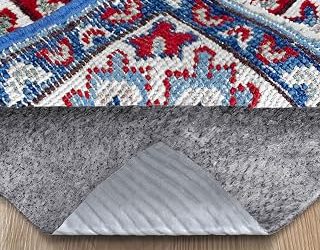
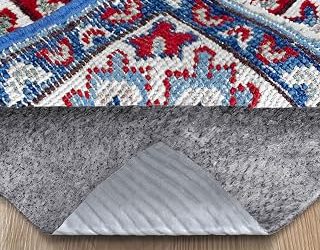
- Back Material and Floor Protection: Natural rubber backings grip without leaving residue on sealed hardwood, while cheaper foam pads can discolor finishes over time. If your entryway has radiant heat flooring, confirm the backing is heat-tolerant to prevent warping or adhesive transfer.
What's inside
The first three seconds of walking into a home set the entire emotional tone — and almost nobody thinks about what’s underfoot while they’re making that impression. Entryway rugs absorb scuffs, trap grit, and take more foot traffic per square inch than any other floor textile in the house, yet shoppers routinely grab whatever looks warm without understanding whether the material can actually survive the duty cycle. The wrong choice peels, stains, or flattens within weeks, turning a welcoming threshold into an eyesore.
This guide breaks down the real material differences behind the best-selling entryway rugs on Amazon in 2026, evaluated through the lens of how each textile interacts with natural and artificial light at the doorway — because color accuracy and surface sheen matter as much as durability when you want that arrival moment to feel intentional. You’ll find a curated shortlist, a material-selection checklist, and direct answers to the questions that trip up most buyers.
As an Amazon Associate we earn from qualifying purchases.


🛒 Best Price Today on Amazon
Prime members get fast, free shipping on everything above, plus member-only deals. New members get a 30-day free trial — cancel anytime.
How to Choose a Material For Entryway Rug (2026)
- Fiber Resilience Under Constant Footfall: Entryways see dozens of daily compressions in the same small zone. Synthetic polypropylene and nylon bounce back faster than most naturals, while cotton and jute develop visible crush paths. Prioritize low-profile flatweaves or tightly power-loomed constructions if your household runs shoes-in.
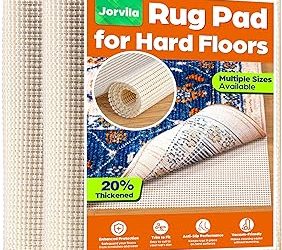
- Moisture and Stain Recovery: Rain, snow, and mud are guaranteed. Machine-washable polyester or treated polypropylene fibers release soil without professional cleaning, and rubber or TPR backings keep the rug from sliding on tile or hardwood — a safety detail that also preserves the rug’s shape over time.
- Light Interaction and Colorfastness: North-facing entryways cast cool, diffused light that makes beige tones read flat; a subtle pattern or heathered weave adds visual depth without bright overhead fixtures. South- or west-facing doors hit the rug with direct sun, so solution-dyed synthetics resist UV fade far better than piece-dyed cotton.
- Profile Height and Door Clearance: A rug thicker than 0.5 inches will catch on inward-swinging doors and create a trip hazard. Low-profile flatweaves — typically 0.15 to 0.3 inches — clear most thresholds and vacuum easily, keeping the entry looking crisp rather than rumpled.
- Back Material and Floor Protection: Natural rubber backings grip without leaving residue on sealed hardwood, while cheaper foam pads can discolor finishes over time. If your entryway has radiant heat flooring, confirm the backing is heat-tolerant to prevent warping or adhesive transfer.
The Best Material For Entryway Rug (2026)s Reviewed
Washable 2×3 Entryway Area Rug — Vintage Beige
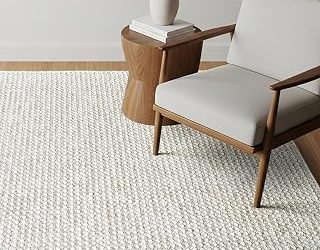
This ultra-soft polyester runner delivers a warm, muted farmhouse tone that reads beautifully in warm-white hallway lighting without appearing washed out. The non-slip backing holds firm on hardwood, and the machine-washable construction makes seasonal deep cleaning effortless — a practical choice for households that want visual warmth paired with zero maintenance anxiety.
Door Mat 24″x36″ — Khaki
A utilitarian workhorse built around absorbent microfiber surface fibers bonded to a dense rubber base, this low-profile mat excels at trapping moisture and grit before it spreads into the home. The khaki color hides everyday soil remarkably well, and the flat 0.25-inch profile clears standard doors without curling — ideal for high-traffic side and garage entries.
Lahome Floral Washable Area Rug — Black Paisley
The bold paisley print brings genuine visual energy to a small entryway, and the stained-resistant polyester face shrugs off coffee drips and muddy footprints with a quick wipe. In spaces that lean neutral or minimalist, this rug functions as an accent piece that anchors the room without overwhelming the sightline from the front door.
Unique Loom Casual Transitional Flatweave — Light Gray/Ivory
Heathered light gray interwoven with ivory creates a sophisticated, tonal base that catches both morning and evening light with subtle texture rather than stark contrast. As an indoor-outdoor flatweave, it shrugs off moisture and UV exposure, making it a strong candidate for covered porches, mudrooms, or sun-drenched entryways where a purely indoor rug would degrade.
Lahome Moroccan Trellis Front Door Mat — Blue Elise
The geometric Moroccan trellis pattern in deep blue adds an unexpected hit of color to the entry while the non-slip rubber backing keeps the rug anchored on slick tile. Washable and quick-drying, it works especially well in coastal or eclectic interiors where a hint of pattern at the threshold sets a curated, collected tone for the spaces beyond.
Frequently Asked Questions
What material is most durable for a high-traffic entryway?
Solution-dyed polypropylene is the top performer for sheer durability. It resists crushing, staining, and UV fade, and it dries quickly after exposure to wet shoes. Polyester runs a close second with softer hand-feel, though it can pill over extended heavy use.
Can I machine-wash an entryway rug at home?
Most lightweight polyester and polypropylene rugs labeled “machine washable” in the 2×3-foot size will fit a standard residential washer on a gentle cycle. Always air-dry or tumble on low heat — high temperatures can distort rubber backings and cause edge curling.
How often should I replace an entryway rug?
With routine vacuuming and monthly washing, a quality synthetic entryway rug maintains its appearance for two to three years. Signs it’s time to replace include permanent fiber crush in the center walkway, backing separation, or staining that no longer lifts with washing.
Do I need a rug pad underneath my entryway mat?
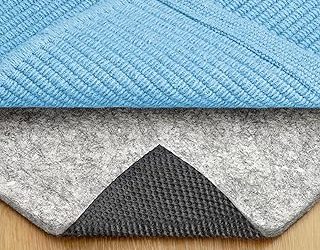
If the rug already has a rubber or TPR non-slip backing, an additional pad is usually unnecessary and can create too much stack height under doors. For flatweave or natural-fiber rugs without integrated grip, a thin felt-rubber pad prevents shifting and adds a subtle layer of cushioning.
Final Thoughts
For most homes, the Lahome Moroccan Trellis in Blue Elise hits the best balance of visual character, washable convenience, and reliable grip. If durability is your only priority, the Door Mat 24″x36″ in Khaki simply won’t quit. And for covered entryways or mudrooms where UV and moisture are factors, the Unique Loom Casual Transitional Flatweave brings outdoor-grade resilience with an unexpectedly refined palette.