Key takeaways
- Base compatibility: Slats should sit no more than 3 inches apart. Wider gaps let foam sag between them, and no warranty covers that. A solid platform, plywood deck, or bunkie board solves it in an afternoon.
- Finished height: Add mattress depth to frame deck height. Aim for a sleep surface between 22 and 26 inches off the floor — that keeps your nightstand shade above the mattress edge so light spills onto the page, not into your eyes.
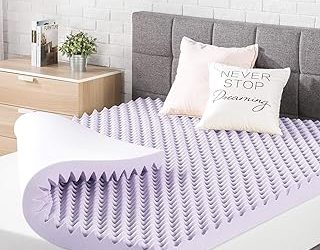
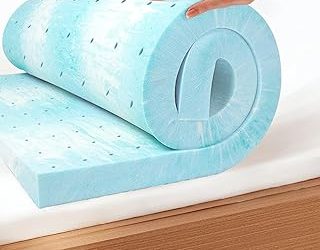
- Heat management: Without a ventilated box spring below, airflow comes from the mattress itself. Gel infusions, open-cell foam, and pocketed coils all move heat better than dense all-foam slabs.
- Firmness by position: Side sleepers want give at the shoulder and hip; back and stomach sleepers need a firmer deck. Medium-firm is the safest bet for couples splitting the difference.
- Certifications and trial length: CertiPUR-US foam and fiberglass-free construction are baseline in 2026. A long home trial matters more than a showroom test, since foam needs two weeks to settle into your body.
What's inside
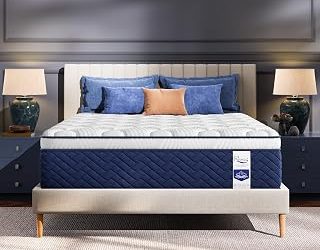
I spend my working life adjusting how a room feels after sunset — dimmer curves, 2700K bulbs, the angle a sconce throws light across a headboard. What I’ve learned from a decade of bedroom installs is that the bed’s height dictates almost everything else. Raise a mattress on a box spring and suddenly your bedside lamp sits below the pillow line, glare hits eye level, and the wall wash you paid for disappears behind a mound of bedding. Most people buying a mattress today already own a platform frame or a slatted base, and the box spring is simply one more layer standing between them and a room that reads calm.
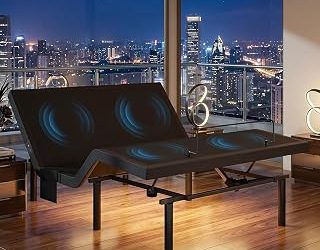
The good news: modern foam and hybrid builds are engineered to sit directly on slats, platforms, or adjustable bases with no foundation underneath. This guide covers what actually matters when you skip the box spring — deck support, profile height, heat behavior, and how the finished bed height interacts with the rest of your room — plus honest notes on six mattresses I’ve specified or slept on in client and personal spaces.
As an Amazon Associate we earn from qualifying purchases.


🛒 Best Price Today on Amazon
Prime members get fast, free shipping on everything above, plus member-only deals. New members get a 30-day free trial — cancel anytime.
How to Choose a Mattress Without Box Spring (2026)
- Base compatibility: Slats should sit no more than 3 inches apart. Wider gaps let foam sag between them, and no warranty covers that. A solid platform, plywood deck, or bunkie board solves it in an afternoon.
- Finished height: Add mattress depth to frame deck height. Aim for a sleep surface between 22 and 26 inches off the floor — that keeps your nightstand shade above the mattress edge so light spills onto the page, not into your eyes.
- Heat management: Without a ventilated box spring below, airflow comes from the mattress itself. Gel infusions, open-cell foam, and pocketed coils all move heat better than dense all-foam slabs.
- Firmness by position: Side sleepers want give at the shoulder and hip; back and stomach sleepers need a firmer deck. Medium-firm is the safest bet for couples splitting the difference.
- Certifications and trial length: CertiPUR-US foam and fiberglass-free construction are baseline in 2026. A long home trial matters more than a showroom test, since foam needs two weeks to settle into your body.
The Best Mattress Without Box Spring (2026)s Reviewed
Nectar 12″ Memory Foam Mattress
The 12-inch profile is the sweet spot for platform frames — tall enough to feel substantial, low enough that a 24-inch table lamp still clears the pillow. Deep, slow-response contouring makes it a genuine side-sleeper mattress, and the year-long trial removes most of the risk.
Sleepmax 14″ Hybrid Mattress
Pocketed coils under foam give this one the most breathable spine of the group, which is why I recommend it for rooms with warm-toned lamps and poor cross-ventilation. At 14 inches it sits high, so pair it with a low-deck frame or budget for a taller nightstand.
Novilla 14″ Gel Memory Foam Mattress
An all-foam build with real cooling gel infusion, and the motion isolation is strong enough that a partner’s 2 a.m. trip to the bathroom won’t wake you. Best on a solid platform rather than widely spaced slats, given the softer comfort layers.
Ashley Chime 12″ Memory Foam Mattress
The stretch-knit cover and straightforward foam stack make this the reliable, unfussy choice for guest rooms and rentals. It expands quickly and holds a neutral medium feel that suits nearly any visitor.
EGOHOME 8″ Green Tea Memory Foam Mattress
At 8 inches this is the shortest profile here, which makes it ideal for daybeds, low Japanese-style platforms, and bunk setups where clearance is tight. The green tea gel infusion keeps odor down during break-in — noticeable if your bedroom stays closed during the day.
Frequently Asked Questions
Do I really need a box spring?
No. Box springs exist to support innerspring mattresses on open bed frames. Every mattress here is designed for platforms, slats, and adjustable bases, and adding a box spring usually voids the warranty.
What if my slats are too far apart?
Lay a bunkie board or a sheet of half-inch plywood across them. Both cost under fifty dollars and add almost no height.
Can I put the mattress directly on the floor?
Short term, yes. Long term, moisture gets trapped underneath and mildew follows. Even a two-inch riser fixes it.
How long before it’s ready to sleep on?
Most expand within 24 to 48 hours. Open a window during that stretch — off-gassing fades faster with airflow.
Final Thoughts
For most bedrooms, the Nectar 12-inch hits the right balance of height, contouring, and trial protection. Choose the Sleepmax 14-inch hybrid if you sleep warm and want coil support, or the EGOHOME 8-inch when you need to keep the bed low and the sightlines clean.