Key takeaways
- Depth before softness: A hip needs somewhere to go. Under 2 inches, you’re adding a pleasant hand-feel and little else. Aim for 3 inches of foam minimum, and consider 4–5 inches if you’re broader through the hips or your mattress has gone plank-firm.
- Zoned support over uniform plush: The best designs are firmer under the lumbar and waist, softer at the shoulder and hip — the same logic as lighting a room in layers instead of blasting one overhead fixture at full output.
- Heat management: Deep contouring traps warmth around the pelvis, which is exactly where inflamed joints stiffen. Gel infusions, open-cell foam, or a bamboo-viscose cover all help move that heat off the body.
- Anchoring: Side sleepers shift constantly. Elastic straps, deep-pocket skirts, or an anti-slip base keep the topper from creeping into a ridge under your hip by morning.
- Certifications and washability: Look for CertiPUR-US or Oeko-Tex on the foam and a removable, machine-washable cover. Off-gassing and unwashable surfaces are both problems you’ll live with nightly.
What's inside
I spend my working life adjusting how rooms feel after dark — warmth of the lamps, where the shadows fall, how quickly a space tells your body it’s allowed to stop. And after enough installs, one thing became obvious: you can dim a bedroom beautifully and still lose the night to a bed that puts a hard edge under your hip. Side sleepers carry most of their weight through two narrow contact points, the shoulder and the greater trochanter. When the surface beneath refuses to yield there, the pelvis tilts, the lumbar spine twists to compensate, and you wake up at 3 a.m. rolling over to relieve a pressure point that never had room to sink.
A topper is the diffuser of the bed. It doesn’t replace the fixture underneath; it softens the throw and takes the glare out of a mattress that’s gone too firm. This guide covers the toppers I’d actually specify for a side sleeper with hip pain in 2026 — what thickness genuinely lets a hip descend, which materials cradle without swallowing you, and how to avoid the overcorrection that leaves your spine sagging like a slack cable. Below are the current standouts, followed by selection criteria and reviews.
As an Amazon Associate we earn from qualifying purchases.



🛒 Best Price Today on Amazon
Prime members get fast, free shipping on everything above, plus member-only deals. New members get a 30-day free trial — cancel anytime.
How to Choose a Mattress Topper For Side Sleepers With Hip Pain (2026)
- Depth before softness: A hip needs somewhere to go. Under 2 inches, you’re adding a pleasant hand-feel and little else. Aim for 3 inches of foam minimum, and consider 4–5 inches if you’re broader through the hips or your mattress has gone plank-firm.
- Zoned support over uniform plush: The best designs are firmer under the lumbar and waist, softer at the shoulder and hip — the same logic as lighting a room in layers instead of blasting one overhead fixture at full output.
- Heat management: Deep contouring traps warmth around the pelvis, which is exactly where inflamed joints stiffen. Gel infusions, open-cell foam, or a bamboo-viscose cover all help move that heat off the body.
- Anchoring: Side sleepers shift constantly. Elastic straps, deep-pocket skirts, or an anti-slip base keep the topper from creeping into a ridge under your hip by morning.
- Certifications and washability: Look for CertiPUR-US or Oeko-Tex on the foam and a removable, machine-washable cover. Off-gassing and unwashable surfaces are both problems you’ll live with nightly.
The Best Mattress Topper For Side Sleepers With Hip Pain (2026)s Reviewed
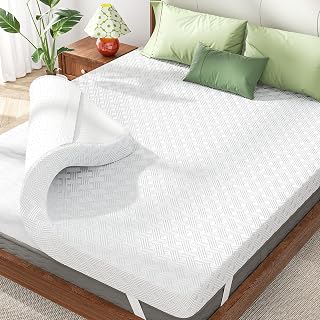
SHOUREN 5 Inch Gel Memory Foam Topper
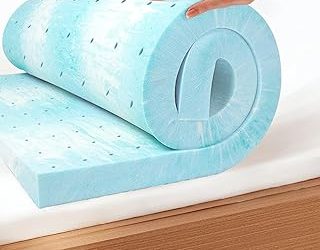
Five inches is a lot of runway, and for hip pain that’s the point — the pelvis can descend far enough to level the spine instead of stopping short on a firm base. Gel infusion and four-way straps keep it from turning into a hot, wandering slab.
PERLECARE 3 Inch Gel Memory Foam Topper
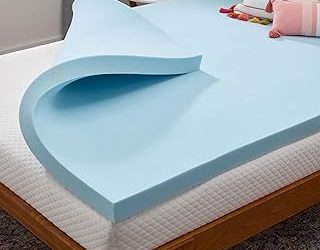
The sensible middle setting: enough gel foam to absorb shoulder and hip pressure without the marooned feeling deeper toppers can cause. Oeko-Tex certification, a non-slip base, and a washable cover make it an easy specification for most beds.
Dormeo Octaspring 3-Zone Topper
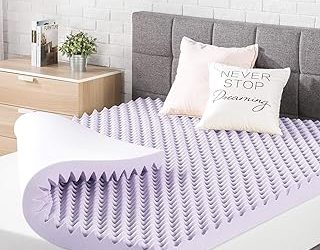
Instead of a foam sheet, this uses individual foam springs in three firmness zones, so it responds point by point rather than as one mass. The airflow between springs is its quiet advantage — it contours deeply while staying noticeably cooler than solid memory foam.
Bamboo Viscose 3 Inch DualSide 5-Zone Topper
Five-zone spinal shaping paired with a flippable firm/softer construction means you can tune the surface after a week of real sleep rather than guessing at checkout. The bamboo-viscose cover and CertiPUR-US foam round out a genuinely thoughtful build.
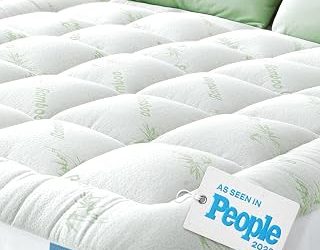
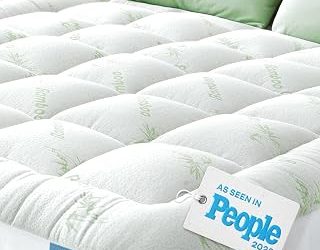
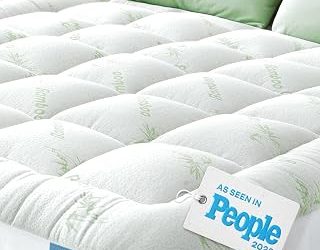
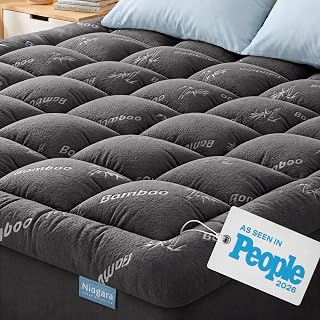
BEDLORE Viscose Bamboo Pillow Top Topper
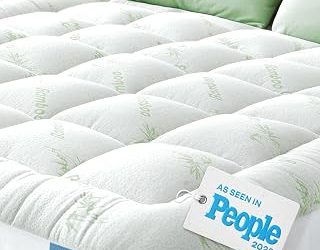
A pillow-top rather than a foam slab, so it takes the sting out of a too-firm mattress without deep contouring — best if your hip pain is mild or you dislike the sink of memory foam. Stretchable pockets fit 6″ to 18″ mattresses, and it sleeps cool.
Frequently Asked Questions
How thick should a topper be for hip pain?
Three inches is the working minimum for real pressure relief. Go to 4–5 inches if you’re heavier, broader-hipped, or working over a very firm mattress.
Can a topper be too soft?
Yes. If your hips drop below your ribcage, you’ve traded pressure pain for rotational strain. Zoned or dual-sided toppers guard against this.
Will memory foam make me overheat?
Deep foam does retain heat. Gel-infused foam, spring-based designs like the Dormeo, or breathable pillow-tops such as the Niagara Sleep Solution are better bets for warm sleepers.
How long until my hip pain improves?
Give it two to three weeks. Foam softens with body heat, and your tissues need time to adapt to a new alignment.
Final Thoughts
If hip pain is waking you, the SHOUREN 5 Inch gives you the most room to sink and is my first recommendation for stubborn pressure. The PERLECARE 3 Inch is the balanced everyday choice, and the Dormeo Octaspring is worth the premium if you want deep contouring without the heat.