Key takeaways
- Thickness matters more than firmness: Side sleepers need at least 3 to 5 inches of material so the shoulder can sink in just enough to keep the spine neutral — anything thinner lets your heaviest pressure point jam straight through to the mattress below.
- Material dictates temperature: Memory foam retains heat aggressively; bamboo-derived rayon, cotton covers, and gel-infused foams breathe significantly better. If you kick the sheets off at 2 a.m., prioritize cooling construction.
- Deep-pocket compatibility: Check your current mattress depth. Most modern mattresses sit between 10 and 14 inches, but some hybrid beds push past 16. A topper with stretchable or extra-deep pockets (18 to 20 inches) stays locked in place instead of creeping toward the foot of the bed.
- Fill type affects contouring: Down-alternative and microfiber fills create a plush, pillow-top sensation that distributes weight gently, while solid memory foam molds precisely to body contours — choosing between them depends on whether you prefer a cushioned hug or a targeted pressure-relief map.
- Washability is non-negotiable: A topper you cannot machine-wash or spot-clean will accumulate dust mites and allergens faster than you think. Removable covers and machine-safe fills should be baseline requirements, not premium features.
What's inside
Shopping for a mattress topper when you sleep on your side and wake up with aching hips and a stiff lower back is a maddening experience. Every product page promises “perfect support” and “cloud-like relief,” yet most toppers either compress into a pancake within weeks or feel like sleeping on a cafeteria tray — neither of which does your lumbar curve any favors.
This guide cuts through the noise. We evaluated the most popular queen-size mattress toppers of 2026 specifically for side sleepers dealing with chronic back pain, prioritizing materials that cradle the shoulder and hip joints without sacrificing the spinal alignment your body demands night after night.
As an Amazon Associate we earn from qualifying purchases.


🛒 Best Price Today on Amazon
Prime members get fast, free shipping on everything above, plus member-only deals. New members get a 30-day free trial — cancel anytime.
How to Choose a Mattress Topper For Back Pain Side Sleepers (2026)
- Thickness matters more than firmness: Side sleepers need at least 3 to 5 inches of material so the shoulder can sink in just enough to keep the spine neutral — anything thinner lets your heaviest pressure point jam straight through to the mattress below.
- Material dictates temperature: Memory foam retains heat aggressively; bamboo-derived rayon, cotton covers, and gel-infused foams breathe significantly better. If you kick the sheets off at 2 a.m., prioritize cooling construction.
- Deep-pocket compatibility: Check your current mattress depth. Most modern mattresses sit between 10 and 14 inches, but some hybrid beds push past 16. A topper with stretchable or extra-deep pockets (18 to 20 inches) stays locked in place instead of creeping toward the foot of the bed.
- Fill type affects contouring: Down-alternative and microfiber fills create a plush, pillow-top sensation that distributes weight gently, while solid memory foam molds precisely to body contours — choosing between them depends on whether you prefer a cushioned hug or a targeted pressure-relief map.
- Washability is non-negotiable: A topper you cannot machine-wash or spot-clean will accumulate dust mites and allergens faster than you think. Removable covers and machine-safe fills should be baseline requirements, not premium features.
The Best Mattress Topper For Back Pain Side Sleepers (2026) Reviewed
BEDLORE Bamboo Viscose Pillow Top
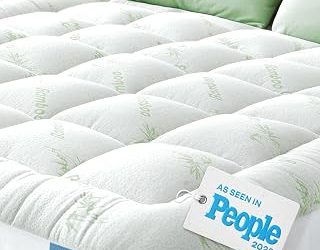
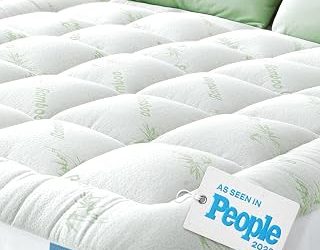
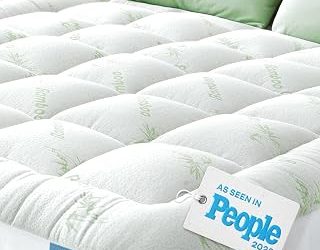
Bedlore’s dark-gray bamboo viscose topper strikes the rare balance between plush cushioning and breathable construction. The pillow-top design layers thick, down-alternative fill beneath a naturally moisture-wicking surface, giving side sleepers a generous cradle at the shoulder and hip without the swampy heat buildup that synthetic competitors introduce. Its stretchable pockets grip mattresses from 6 to 18 inches, meaning it stays put even if you toss and turn.
ELEMUSE Extra Thick Pillow Top
ELEMUSE packs an oversized volume of down-alternative filling into a plush pillow-top design that feels like placing a luxury hotel bed directly over your existing mattress. The elastic deep pocket system anchors securely, and the sheer loft provides the kind of joint-cushioning depth that side sleepers with lower-back sensitivity crave. If your primary complaint is pressure at the hip, this one delivers noticeable relief from the first night.
SHOUREN 5-Inch Gel Memory Foam
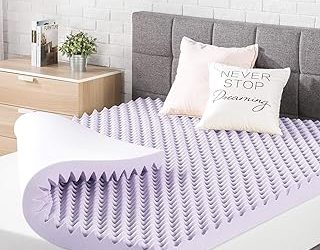
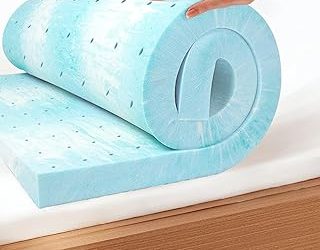
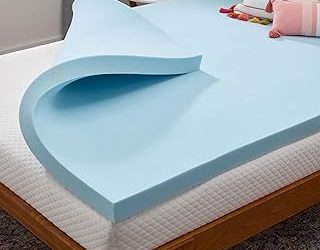
For side sleepers who want their topper to actively sculpt around every curve, SHOUREN’s 5-inch gel-infused memory foam does exactly that. The gel infusion combats memory foam’s notorious heat retention, while the five-inch profile offers genuine body-contouring support that keeps the lumbar spine aligned throughout the night. Four-way straps keep it anchored to the mattress, eliminating the slide-and-bunch frustration thinner foams are known for.
WhatsBedding 5-Inch Memory Foam Pillow Top
WhatsBedding combines a thick memory foam base with a fluffy, breathable stuffing layer on top — essentially giving you contouring support from below and soft cushioning from above. That dual-construction approach works exceptionally well for side sleepers whose shoulders need to sink in but whose lower back still demands a responsive surface. The fill stays lofty over repeated use, which sets it apart from single-layer alternatives.
Niagara Sleep Solution Bamboo Rayon Topper
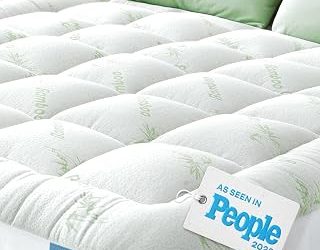
Niagara’s bamboo-derived rayon surface runs noticeably cooler than standard cotton or polyester covers, making it a strong pick for side sleepers who fight both back pain and night sweats. The 20-inch deep pockets accommodate even the thickest modern mattresses, and the pillow-top construction adds a balanced layer of cushion without overwhelming the existing bed’s feel. It’s a lighter touch than the 5-inch foam options, ideal if you need relief without a complete reset of your sleeping surface.
Frequently Asked Questions
How thick should a mattress topper be for side sleepers with back pain?
Most orthopedic and sleep-health professionals recommend 4 to 5 inches for side sleepers experiencing chronic pain. Thicker profiles allow the shoulder and hip — your two heaviest pressure points — to sink to a depth that keeps the spine in a neutral line. Anything under 3 inches may not provide enough displacement to make a meaningful difference.
Can a mattress topper actually fix back pain?
A topper cannot correct the structural causes of back pain, but it can remove the mechanical trigger: excessive pressure at the shoulder and hip that forces the spine out of alignment during sleep. For many side sleepers, that adjustment alone reduces morning stiffness and lower-back soreness enough to improve daily comfort significantly.
Memory foam or pillow-top — which is better for back pain?
Memory foam excels at precise contouring and targeted pressure relief, while pillow-top designs distribute weight more broadly across a softer surface. Side sleepers with very specific pain points (like a single hip or shoulder) often prefer foam. Those with generalized aching across the lower back tend to benefit from the even cushioning a thick pillow-top provides.
How do I keep a mattress topper from sliding off the bed?
Choose a topper with deep elastic pockets or four-way anchor straps, and make sure those pockets are rated to accommodate your mattress depth with at least two inches of margin. Placing a fitted sheet over both the topper and mattress adds a second layer of friction that dramatically reduces shifting.
Final Thoughts
For most side sleepers battling back pain, the SHOUREN 5-Inch Gel Memory Foam delivers the strongest combination of contouring support and pressure relief, while the BEDLORE Bamboo Viscose Pillow Top is the best all-around pick for those who also sleep hot. If you want a lightweight, cooling-focused upgrade without committing to a thick foam slab, the Niagara Sleep Solution Bamboo Rayon Topper earns a confident recommendation.