
Key takeaways
- Age Range Description: Adult
- Mount Type: Doorway Mount
- Item Dimensions W x H: 37"W x 20.2"H
The doorframe in most homes was built to hold a door, not a human. That single fact explains nearly every complaint you’ll read about doorway pull-up bars: bent trim, cracked casing, paint pulled off in strips, or a bar that creeps sideways mid-set. The bars themselves are rarely the failure point — the interface between steel and softwood is. So this roundup grades each option on two things that actually matter in an apartment or a rented room: how precisely the bar fits a standard 24 to 36 inch opening, and how it distributes load across the frame instead of concentrating it on a half-inch lip of molding.
I looked at leverage-mounted bars (the kind that hook over the top of the casing and press against the wall above the door), telescoping compression bars that wedge inside the jamb, and hybrid designs with adjustable pads. Leverage bars won on load handling but demand clean, deep trim. Compression bars won on zero-mark installation but cap out at lighter body weights and lose grip on painted or textured jambs. Below, each pick is described with its mounting logic spelled out, because choosing the wrong mechanism for your doorway is how people end up patching drywall instead of doing chin-ups. Manufacturer weight ratings are listed as published — confirm them against the current product page before you buy.
Our top picks
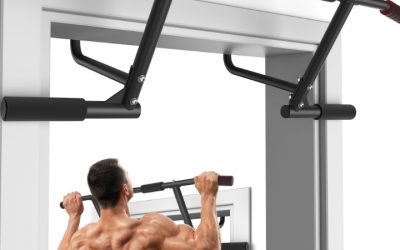
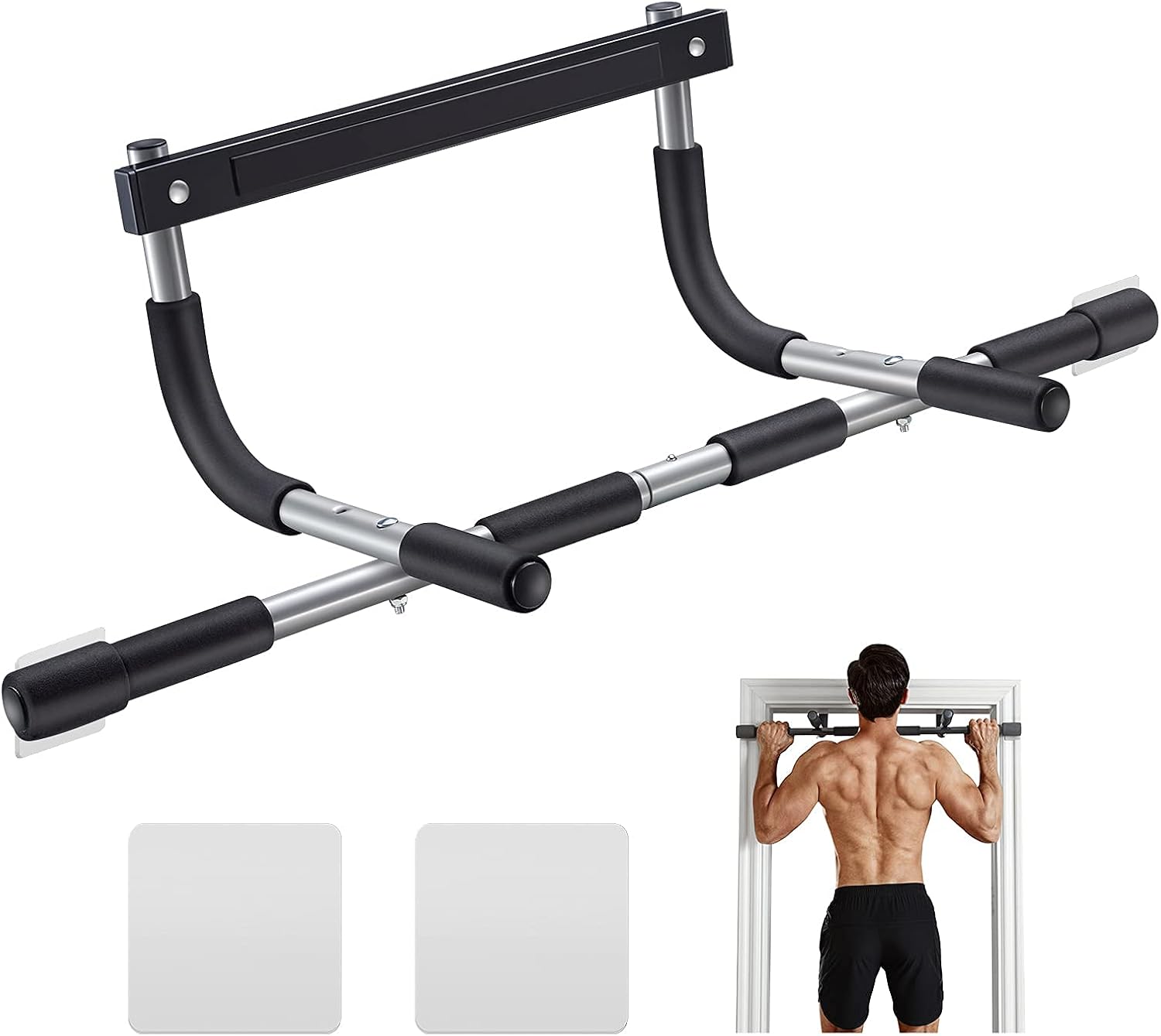 Ally Peaks Pull Up Bar for Doorway
- Age Range Description: Adult
- Mount Type: Doorway Mount
- Item Dimensions W x H: 37"W x 20.2"H
| Product | Key specs | |
|---|---|---|
| Ally Peaks Pull Up Bar for Doorway | Age Range Description: Adult Mount Type: Doorway Mount Item Dimensions W x H: 37"W x 20.2"H | Check price |
 Ally Peaks Pull Up Bar for Doorway Ally Peaks Pull Up Bar for Doorway | Check price | |
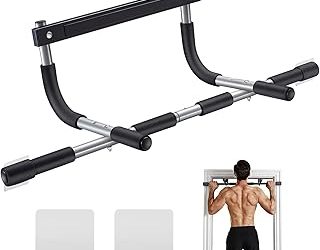
 Body-Solid Body-Solid | Check price | |
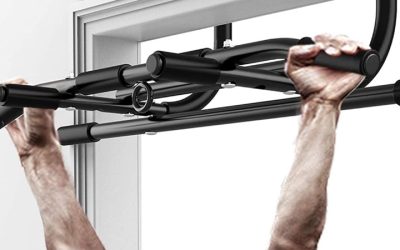
 Sportneer Pull Up Bar for Doorway Sportneer Pull Up Bar for Doorway | Age Range Description: Adult Mount Type: Doorway Mount Item Dimensions W x H: 37.01"W x 6.69"H | Check price |
 KAKICLAY 2026 Upgrade Multi-Grip Pull Up Bar KAKICLAY 2026 Upgrade Multi-Grip Pull Up Bar | Age Range Description: Adult Mount Type: Doorway Mount Item Dimensions W x H: 10.5"W x 2"H | Check price |
 TOPOKO Pull Up Bar for Doorway TOPOKO Pull Up Bar for Doorway | This barra de bar can do various exercises This indoor pull up bar is constructed of… The top of this pull-up bar is equipped… | Check price |
 EVERYMATE Wall Mount Pull Up Bar EVERYMATE Wall Mount Pull Up Bar | Check price | |
 Ally Peaks Pull Up Bar for Doorway Ally Peaks Pull Up Bar for Doorway | Check price |
As an Amazon Associate we earn from qualifying purchases at no extra cost to you.
Quick Comparison
| Model | Mount Type | Fits Openings | Listed Capacity | Frame Contact | Best For |
|---|---|---|---|---|---|
| Iron Age Doorway Pull Up Bar | Leverage over casing | ~24–36 in | ~300 lb | Wide upper pad + rubber jaw | Heavier lifters, deep trim |
| ProsourceFit Multi-Grip Chin-Up Bar | Leverage over casing | ~24–36 in | ~300 lb | Foam upper bar, narrow hooks | Multiple grip angles on a budget |
| Perfect Fitness Multi-Gym Doorway Bar | Leverage with removable pads | ~26–36 in | ~300 lb | Padded contact plates | Pull-ups plus floor work |
| Ultimate Body Press Doorway Bar | Leverage, elevated bar height | ~24–36 in | ~300 lb | Broad steel brace | Taller users needing head clearance |
| Garren Fitness Maximiza Pull Up Bar | Telescoping compression | ~26–39 in | ~330 lb | Rubber end caps, no hardware | Renters avoiding any marks |
How to Choose
- Measure the trim, not just the doorway. Leverage bars need roughly three-quarters of an inch of casing depth to hook over. Flat, flush, or trimless modern openings give the hook nothing to bite, and the bar will roll off under load.
- Check what’s above the door. The upper pad presses into the wall about a foot over the frame. If that’s hollow drywall with no header behind it, you’ll dent it. Knock and listen for solid resistance before committing.
- Add your body weight plus momentum. A 300 pound rating assumes static hanging. Kipping, sudden drops, or adding a weight belt multiplies peak force well beyond your scale reading — leave real headroom.
- Confirm head clearance for kip-free reps. Standard doorways top out near 80 inches. Anyone over about six feet will need to bend their knees, which changes the exercise. Bars with elevated crossbars buy a few useful inches.
- Decide how much the finish matters. Compression bars leave nothing behind but carry less weight and can slip on glossy paint. Leverage bars are more secure but often leave faint pressure marks on soft latex finishes.
Top Picks Reviewed
Iron Age Doorway Pull Up Bar
This is the one I’d point a 200-plus-pound lifter toward. The upper contact spreads load across a noticeably wider footprint than the thin foam sleeves on cheaper bars, and the lower jaw clamps the casing with rubber rather than bare metal, which is the difference between a pressure mark and a gouge. Assembly is bolt-together with an included wrench, takes maybe ten minutes, and the finished frame is rigid enough that side-to-side sway is minimal. It needs proper proud trim to hook onto; on flush casing it simply won’t seat safely.
ProsourceFit Multi-Grip Chin-Up Bar
The value play. You get wide, narrow, and neutral hand positions in one frame, which matters more for long-term progress than most people expect — being able to shift from a wide overhand grip to a close neutral one keeps elbows happier across high-volume weeks. The tradeoff is narrower upper contact, so it concentrates force on a smaller patch of wall. A folded towel or a strip of felt behind the pad solves most of the cosmetic risk. Grips are firm foam; chalk or gloves help once hands get sweaty.
Perfect Fitness Multi-Gym Doorway Bar
Its real advantage is coming off the frame. Detach it, set it on the floor, and it becomes a push-up handle and dip station, which effectively turns one purchase into a small circuit. The pads on the frame-contact plates are among the more thoughtful I’ve seen — thick enough to conform slightly to trim rather than press a hard line into it. Mounting requires a somewhat wider opening than the others, so measure before ordering.
Ultimate Body Press Doorway Pull Up Bar
Built for the person who keeps clipping their head on standard bars. The crossbar sits higher within the frame geometry, buying enough clearance for a taller athlete to hang closer to full extension. The steel brace is broad and stiff, and there’s usefully little flex at the top of a rep. Grip diameter is thicker than average, which some will love for forearm work and others will find awkward on high-rep sets.
Garren Fitness Maximiza Pull Up Bar
The renter’s answer. It telescopes to wedge inside the jamb with rubber end caps, leaves no marks, installs in under a minute, and stores flat under a bed. The honest caveat: compression mounts rely entirely on friction and jamb squareness. Test it with a slow, controlled hang before your first full set, wipe the jamb clean of dust and polish beforehand, and re-snug it every few sessions. Handled that way, it’s remarkably solid for what it is.
Frequently Asked Questions
Will a doorway pull-up bar damage my door frame?
It can, and the variable is your trim rather than the bar. Softwood casing with a fresh latex finish marks easily under leverage mounts. Hardwood or older, thicker trim handles it fine. Padding both contact points with felt or folded cloth prevents nearly all cosmetic damage, and it costs nothing to try.
Do leverage bars actually need screws?
No. They work on a moment arm — your weight pulling down on the bar pushes the upper pad harder into the wall, which is why they get more secure as load increases, not less. Nothing is drilled. That also means they only work in the direction they were designed for; never load one sideways or use it as a step.
How do I know if my doorway is strong enough?
Look for a solid header above the opening. Tap along the wall a foot above the trim: a dull thud suggests framing, a hollow ring suggests empty drywall. Then load the bar gradually — hang with your feet still touching the floor and listen for creaking or watch for trim movement before you commit your full weight.
Can I do dips and knee raises on one?
Knee raises and hanging leg work are fine, since the force stays vertical. Dips on the mounted bar are not — they push against the frame in a direction the mount can’t resist. Use a model like the Perfect Fitness that detaches for floor-based dips instead.
Final Thoughts
Pick by mounting mechanism first and features second. If your trim is proud, solid, and you weigh enough that flex matters, the Iron Age bar gives you the widest load spread and the most confident feel. If you can’t leave a single mark, the Garren compression bar is the honest choice as long as you respect its limits and re-check the fit regularly. Everyone else lands somewhere in the middle: ProsourceFit for grip variety at a low price, Ultimate Body Press for height clearance, Perfect Fitness for doing more than pull-ups. Whichever you choose, spend two minutes measuring your opening and testing the mount under partial load. That habit protects both your frame and your shoulders far more reliably than any published weight rating.


Write Your Review
No reviews yet. Be the first to share your experience!