
Our Top Picks
 XHIPY 10 PCS Vintage Metal Wall Hooks10 Pack (5 Styles)2.2 x 1 x 1.2 inches0.3 poundsCheck on Amazon
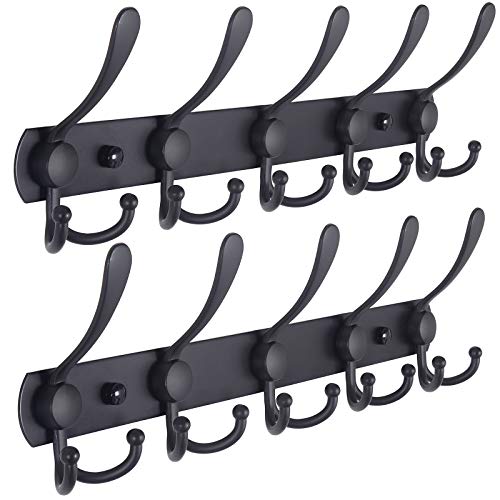

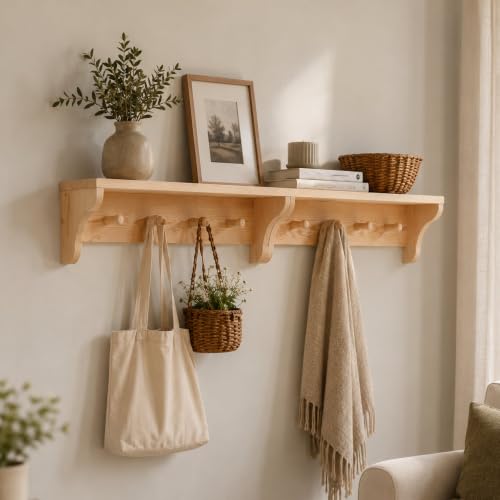

The short answer: the best decorative wall hooks are the ones that match what you are hanging, the wall you are hanging it on and how permanent you want the installation to be. For heavy coats and bags, screw-mounted hooks fixed into studs or rated wall anchors are the dependable choice. For light items such as scarves, hats, towels and keys, adhesive hooks and hook rails can look just as good and spare the paint. Finish, shape and spacing then decide how the hooks look. The load, the wall and the fastener should always come first.
This guide does not rank specific products. It explains the main hook styles, the materials and finishes, how walls and fasteners work, how to plan spacing and height, where hooks look best, and the errors that lead to sagging hooks and patched walls. Use it to decide what you need, then compare current listings and read the manufacturer instructions before you drill or stick anything.
Contents
- Why hooks are more than storage
- The main hook styles
- Mounting methods compared
- Materials and finishes
- Know your wall before you choose
- Spacing, height and layout
- Where decorative hooks work best
- Installation basics
- Buyer checklist
- Mistakes to avoid
- Safety and load notes
- Frequently asked questions
- Bottom line
Why hooks are more than storage
A good hook solves a daily problem: where the jacket goes when you walk in, where the tote lives, where the dressing gown hangs after a shower. A good decorative hook solves that problem and also adds something to the wall, whether that is a sculpted shape, a warm metal finish, a row of wooden pegs or a quirky knob. In small homes and rentals, where floor space is precious, the wall becomes the storage space, and hooks are one of the cheapest ways to use it.
The trick is to pick hooks whose looks and strength both make sense for the job. A delicate, ornamental hook might be lovely for a dish towel yet unsuitable for a heavy winter coat. Starting with the load, rather than the style, keeps you from falling in love with something that will not do the work.
The main hook styles
Single screw-mounted hooks
Single hooks are the most flexible style. You can place each one exactly where you want it, cluster several at different heights or scatter them in a pattern. Shapes include knobs, curled scrolls, animal and botanical forms, geometric pegs and simple modern bars. They are fixed with screws, so they need appropriate fasteners for the wall, but they offer the best grip for heavier loads when mounted properly.
Hook rails and racks
A rail, or rack, holds several hooks on a single board or bar. Because the rail spreads its load across more fixing points, and is usually installed into more than one mounting spot, it can be a strong, tidy way to organize an entryway. Rails also hide spacing decisions, since the hook spacing is already set. They suit families, mudrooms and hallways where multiple people hang items daily.
Adhesive and removable hooks
Adhesive styles stick to the wall with strips or pads, which makes them popular for renters and for light decor. They can work well on smooth, clean, suitable surfaces, but they depend on surface prep, temperature and the stated weight limit. Textured, dusty, flaking or freshly painted walls are poor candidates. Always follow the removal instructions so you do not peel paint.
Over-the-door hooks
These hang over a door without any fixing. They are ideal for a temporary or rental setup, yet the door may not close fully, and the hooks suit lighter loads. Decorative over-the-door hooks can still look neat when the finish matches the door hardware.
Shaker-style peg rails
Peg rails are a classic. A long board of evenly spaced wooden pegs works as a coat rack, a place for baskets, even for chairs in a rustic kitchen. They suit traditional and farmhouse interiors and can be painted to match the wall for a subtle effect.
Mounting methods compared
| Method | Strength | Wall impact | Best for | Caution |
|---|---|---|---|---|
| Screwed into a stud | Highest | Small holes | Heavy coats, bags, shared entryways | Locate studs and avoid wires and pipes |
| Screwed with rated wall anchors | Medium to high, depends on the anchor | Holes and anchor patches | Mid-weight items where no stud is available | Match the anchor to the wall type |
| Hook rail screwed into stud or anchors | High when well fixed | Several holes | Busy hallways and mudrooms | Check the load rating of rail and fasteners |
| Adhesive strips or pads | Light | Low if removed correctly | Scarves, hats, towels, keys | Surface prep and stated limits matter |
| Over-the-door | Light to medium | None | Rentals and temporary spaces | May stop the door closing |
No type is automatically better. The right choice depends on the load and your wall. To see styles side by side, browse decorative wall hooks or wall-mounted hook rails, and always read the stated weight limit and mounting instructions.
Materials and finishes
Metal: brass, iron, zinc and steel looks
Metal is the strongest and most common choice. Cast and forged pieces feel solid and carry the most detail, while sheet or stamped metal is lighter and cheaper. Finishes include matte black, antique bronze, brushed gold tones, polished chrome looks and aged, patinated surfaces. Think about the room: matte black suits modern and industrial spaces, warm metals suit traditional and glam interiors, and aged finishes bring character to farmhouse styles. Check that finishes can cope with damp if the hooks are in a bathroom or by a back door.
Wood
Wood hooks and pegs feel friendly and look good in entryways and kitchens. Hardwood is usually sturdier than softwood, and solid pegs hold up better than thin carved shapes. A painted finish can match the wall for a quiet look, while natural wood adds warmth. Wood can scuff and swell in damp spaces, so match it to the room.
Ceramic, glass and resin knobs
Knob-style hooks with ceramic, glass or resin heads add color and charm, and they suit nurseries, craft rooms and cottage styles. The knob is often attached to a metal stem, so check how it is joined. Pieces that are glued rather than threaded can loosen under heavy loads. They are best for lightweight items.
Know your wall before you choose
Walls vary widely, and the wall decides what fixing is appropriate. Drywall over studs is common, but it will not hold a heavy load on its own. Plaster can be brittle and may crack when drilled. Masonry and brick need the correct bit and anchors. Tile needs special care, and a wrong bit can crack it. Paneling, wainscoting and wood backing can offer strong fixing points.
Finding studs and backing
A stud finder can help locate framing behind drywall, and many people also tap or measure from a known stud. Make sure you know what is behind the wall, because wires and pipes may run near outlets and switches. If you are unsure, consult a qualified professional rather than guessing.
Wall anchors in plain terms
An anchor spreads a screw load across a hollow wall. There are many types, and each has a stated rating that depends on the wall and the installation. Choose an anchor designed for your wall type, follow the drill size on its packaging and treat the rating as a maximum, not a target. When in doubt, choose a stronger rating than you think you need.
Renting? Check your lease first
Some leases allow small nail or screw holes, and others do not. Ask before drilling. Adhesive options and over-the-door styles can be useful, but follow the surface and removal instructions closely to protect the paint.
Spacing, height and layout
Hook layout is easier to plan on paper than on the wall. Start by thinking about who uses the hooks. Adults, children and guests all reach differently, and a row at a single height will leave small children out. A lower second row, or a rail with lower pegs, can solve that.
Spacing for bulky items
Coats are bulky, so hooks that are too close together will lead to a pile-up. Leave enough room that two coats do not overlap, and remember that bags and puffy jackets need more space than a light scarf. Mark the layout with painter tape and hang a coat on the tape to see how it falls.
Hook height
Place hooks so that the longest coat does not trail on the floor and so that adults can reach them without strain. A lower row for children and a higher row for adults is a common approach. Check the depth of the hook too: a deep hook will push items out into the walkway in a narrow hall.
Where decorative hooks work best
Entryways and mudrooms
This is the classic home for hooks. Pair a rail with a bench and a small shelf above for hats and keys. Use stronger fixings, because this is where the heaviest loads live.
Bathrooms
Choose hooks with finishes that tolerate humidity, and keep adhesive options for places they can stay dry. Towel hooks look neater than bars in a narrow space, but only if each towel has a spot to dry.
Bedrooms and closets
A few decorative hooks beside the bed or on the back of a door give you a place for the dressing gown and tomorrow’s outfit. They also make a pretty display for jewelry and light bags.
Kitchens
Hooks under shelves or on a rail can hold mugs, aprons, towels and utensils. Keep hooks away from the stove and from splashes of grease, and avoid hanging anything near open flames or heat.
Kids and nurseries
Playful knobs and animal shapes suit children’s rooms. Keep them low enough for little hands, but check the safety guidance below and the product notes, particularly for items with small parts.
Installation basics
Always follow the instructions that come with your hooks, and use the fixings they recommend. In general, begin by deciding on the layout, then mark with a pencil and use a level to keep the line true. Confirm the right bit, drill carefully and fit anchors if needed. Tighten screws firmly but do not over-tighten, which can crack the hook or strip the hole. For adhesive hooks, clean the surface as directed, press for the stated time and wait before loading, since the bond often needs time to set. Test the hook with a light load first and add weight gradually.
Buyer checklist
- Write down what you will hang, and estimate the heaviest single load.
- Check the wall type: drywall, plaster, tile, masonry, wood or paneling.
- Choose a mounting method suited to that load and wall, and read the stated weight limit.
- Check what fixings are included, and whether you need different ones for your wall.
- Decide the finish and material based on the room and humidity.
- Plan the spacing, height and depth of the hooks.
- For rails, check how many fixing points there are and where they fall relative to studs.
- For rentals, confirm the lease and the removal instructions.
- Think about children, pets and sharp ends at head height.
- Read reviews for notes on finish wear and hook strength.
- Check current specifications and instructions on the listing before you buy.
Mistakes to avoid
Ignoring the stated weight limit
Rated loads are maximums under particular conditions. If the hook will carry a heavy coat or a loaded bag, choose a method and rating with a comfortable margin.
Using the wrong fasteners
Screws that come in the box are sometimes suited only to certain walls. If your wall is masonry, tile or plaster, check whether you need different anchors or bits.
Skipping surface prep for adhesive hooks
Dust, grease and moisture weaken adhesion. Clean as directed, avoid textured and freshly painted surfaces and wait before loading.
Spacing hooks too tightly
A row of hooks looks neat when empty and chaotic when full. Plan for the bulk of real coats.
Choosing style over strength
An ornate hook with a thin stem can bend under a heavy load. Keep fancy shapes for light items.
Hanging hooks at the wrong height
Hooks that are too high frustrate children and shorter adults, while hooks that are too low let long coats pool on the floor. Test with tape first.
Safety and load notes
Before drilling, check for hidden wires and pipes. Avoid drilling near outlets, switches and along lines directly above or below them, where cables often run, and consider asking a qualified professional if you are unsure. Use eye protection and dust protection when drilling, and follow tool safety guidance.
Respect the load rating of the hook, the fastener and the wall together. The weakest of the three sets the limit. Do not use hooks to support climbing, leaning or pulling, and avoid hanging heavy items such as large mirrors or loaded bags from decorative hooks that are not designed for it. Check hooks from time to time for loosening, bending or adhesive creep, and stop using any that wobble.
Think about people and pets. Hooks at head height can injure a child who runs into them, so choose rounded ends and softer shapes in play areas, and mount them at suitable heights. Keep small removable knobs and screws away from toddlers. Never hang cords, belts or scarves from hooks within reach of babies and young children, because of the strangulation risk. Do not hang anything flammable near candles, stoves or heaters. Follow all manufacturer guidance, and check current instructions before you install.
Frequently asked questions
Can decorative wall hooks hold heavy coats?
Some can, but the answer depends on the hook, the fasteners and the wall. Screw-mounted hooks fixed into studs or rated anchors are the usual choice for heavy loads. Check the stated limit and install exactly as instructed.
Do adhesive hooks damage walls?
They can if used on unsuitable surfaces or removed carelessly. Follow the manufacturer removal directions, use them on surfaces they are made for and respect the stated weight.
How far apart should I space coat hooks?
Leave enough room that coats do not overlap and bags can hang freely. The right distance depends on the bulk of your items, so try the layout with painter tape and a real coat.
What height should entryway hooks be?
Aim for a height where adults reach comfortably and long coats clear the floor. Consider a second, lower row for children. Test with tape before drilling.
Do I need a stud finder?
It is helpful, since studs offer the strongest fixing for drywall walls. If you cannot find a stud, use anchors that suit the wall and the load, following their instructions.
Are hook rails stronger than single hooks?
A well-fixed rail can spread the load across several fixing points, which helps. But strength still depends on the fasteners and the wall, so check the rating and mount it properly.
Can I put decorative hooks in a bathroom?
Yes, with finishes that tolerate humidity and fixings suited to the wall. Check that adhesive hooks are rated for damp conditions, and let towels dry between uses.
How do I choose a finish for wall hooks?
Match it to other metals in the room, such as door hardware or light fixtures. Satin and brushed finishes hide wear better than glossy ones, and dark finishes suit modern spaces.
Bottom line
The best decorative wall hooks suit the load, the wall and the room in that order. Choose a mounting method with a comfortable margin, plan spacing around real coats and bags, and keep ornate pieces for light jobs. When you are ready to compare, browse adhesive wall hooks, wooden peg rails or wall anchor kits, and always check current specifications and instructions before you install.
Disclosure: As an Amazon Associate, we earn from qualifying purchases. Links marked as sponsored may earn us a commission at no extra cost to you.
More from Amazon
Programs that pair well with the guide above. Offers and eligibility are set by Amazon and may change.
Collect the home and kitchen items you want in one registry that guests can shop from.
Create a wedding registrySet up recurring deliveries of everyday items on eligible products. Terms and savings are set by Amazon.
Explore Subscribe & SaveFree shipping on eligible items, Prime Video and more. Eligible new members can start with a free trial.
Start a Prime free trialAudiobooks and podcasts to listen to on the go. Eligible new members can start with a free trial.
Try Audible freeAs an Amazon Associate we earn from qualifying purchases.









