Our Top Picks
 SALAV Heavy Duty Commercial Full-Size Garment Steamer with14.5 in x 11.42 in x 70.5 in14 x 11 x 70 inches12 poundsCheck on Amazon

Short answer: the best drapery panels are the ones sized generously for the window, made from a fabric that matches what you need the window to do, and hung on a rod that can carry the load. For most rooms that means panels with a total width of roughly one and a half to two times the window, a length that just skims or lightly touches the floor, and a lining chosen for light control rather than looks alone. Heavier lined fabrics block more light and drafts but need sturdier hardware. Lighter fabrics filter light softly and are easier to hang and wash.
What is in this guide
- Heading styles and panel types
- Fabrics compared
- Lining, light control and insulation
- How to choose for each room
- Measuring, width and length
- Rods, brackets and safe loads
- Styling and layering
- Care and cleaning
- Common mistakes
- Who should choose what
- Buying checklist
- Frequently asked questions
Heading styles and panel types
The heading is the top edge of the panel and the part that attaches to the rod. It controls how the fabric folds, how easily the panel slides and how formal the window looks. Panels in the same fabric can look entirely different depending on the heading, so decide this early.
Rod pocket
A sleeve of fabric is sewn across the top and the rod slides through it. This gives a gathered, casual look and costs less, but the panels do not glide well, so they suit windows you open and close rarely. They also tend to look best on lightweight and medium fabrics, as heavy fabric drags on a narrow pocket.
Grommet
Metal or plastic rings are set into the top of the panel and the rod threads through them. Grommets create regular, deep folds and slide fairly easily, which makes them popular for modern and casual rooms. Because the rod is visible, finish and diameter matter. Check that the grommet opening is larger than your rod with room to spare.
Tab top and back tab
Tab tops hang from loops of fabric along the edge and show the rod. Back tabs hide the loops behind the panel so the rod is partly concealed and the front looks cleaner. Both give a relaxed look. They draw less smoothly than rings, since the fabric loops rub the rod.
Pinch pleat and other pleated headings
Pleated headings are sewn into groups of folds and are usually hung from rings or hooks. They create a tailored, formal profile and hold their shape when open, stacking tidily to the side. They work well on long, heavy panels and are common in custom and higher-end drapery. The hooks need to be placed correctly, so allow time to hang them.
Ripple fold
Ripple fold uses a track system that produces even, sculpted waves. It looks sleek and operates easily, but needs compatible hardware and suits purpose-made drapery.
Single panels versus pairs
Panels are sold singly or in pairs. A pair gives you one panel for each side and is usually the better value for standard windows. For a wide window, plan on several panels so that when they are closed the fullness remains generous. A single panel on one side is a deliberate asymmetric choice that suits a narrow window or a door.
| Heading | Look | Glide | Works best with |
|---|---|---|---|
| Rod pocket | Casual, gathered | Poor to fair | Light fabrics, windows rarely opened |
| Grommet | Modern, regular folds | Good | Light to medium fabrics, daily use |
| Tab top / back tab | Relaxed, informal | Fair | Decorative panels, light use |
| Pinch pleat | Tailored, formal | Very good on rings | Heavy, lined, floor-length drapery |
| Ripple fold | Sleek, even waves | Very good on track | Modern rooms, wide windows |
Fabrics compared
Fabric decides weight, drape, light filtering and how much care the panels need. A good rule is to pick fabric for function first and color second, since you can often change the color feel with styling but not the way a fabric hangs.
Cotton and cotton blends
Cotton takes color well and suits casual to transitional rooms. It wrinkles and can fade in strong sun. Polyester blends wrinkle less and hold their shape better.
Linen and linen-look fabrics
Linen has a relaxed texture and a lovely light-filtering quality. It softens with washing and suits airy, natural rooms. It wrinkles easily, which many people accept as part of the look. Linen-look polyester gives a similar appearance with fewer wrinkles but a different hand-feel.
Polyester
Polyester is widely used because it is durable, relatively resistant to fading, and often machine washable. It ranges from stiff and shiny to soft and matte, so inspect the description and photos of drape before buying.
Velvet
Velvet looks rich and drapes heavily, which also helps block light and cold air. It is heavy, so rods and brackets must be robust. Pile can show pressure marks and some velvets need dry cleaning, so check the label.
Sheer voile and chiffon-style fabrics
Sheers diffuse light and add softness while keeping the view and daytime privacy partly intact. They provide little privacy once it is dark and indoor lights are on, so they pair well with heavier panels or blinds for night.
Wool, silk and similar
These premium fabrics drape beautifully but often need dry cleaning, and natural silk is sensitive to sun damage.
| Fabric | Weight | Light control | Care | Notes |
|---|---|---|---|---|
| Cotton / blend | Light to medium | Filtering to moderate | Often washable | Can wrinkle or shrink |
| Linen | Light to medium | Soft filtering | Gentle wash or dry clean | Relaxed, wrinkles |
| Polyester | Light to heavy | Varies with weave | Usually easy | Resists fading |
| Velvet | Heavy | Strong | Check label | Needs sturdy hardware |
| Sheer voile | Very light | Diffuses only | Gentle wash | Little night privacy |
| Wool / silk-type | Medium to heavy | Moderate to strong | Often dry clean | Protect from sun |
Lining, light control and insulation
Lining is the hidden half of a good panel. It improves the fall of the fabric, protects the face fabric from sun, and changes how the window performs. Unlined panels look lighter and cheaper but let in more light and offer less insulation.
Standard lining is a plain layer behind the face fabric. It adds body and gives a more even look from outside the house, since the window will show a consistent color rather than a patchwork of different panel fabrics.
Blackout lining is a coated or densely woven layer that blocks most light. It is useful in bedrooms and nurseries and for shift workers. Understand that “blackout” in listings can mean different degrees of darkness, and light can still leak around the edges. To reduce leakage, make the panels wider than the window, mount the rod close to the ceiling and extend it beyond the frame on each side, and consider return rods that bring the panel edge back to the wall.
Thermal or interlined panels add a layer that helps reduce drafts and radiant heat transfer. They can make a noticeable comfort difference near older windows, though they do not replace proper window sealing or insulation. They are also heavier, so hardware rating matters.
How to choose for each room
Bedrooms. Prioritize light control and quiet. Lined or blackout panels in a medium to heavy fabric work well, hung wide and high. Soft, muted colors help a bedroom feel calm, and the extra fabric absorbs a little echo.
Living rooms. Here you usually want style and flexibility. A medium-weight fabric in a heading that glides lets you open the room fully in the day. Consider layering sheers with side panels if you want privacy options.
Dining rooms. Choose fabric that tolerates occasional cooking odors and is not too delicate. Washable blends are practical. Floor-length panels add formality, but make sure chairs and heating vents are not blocked by the hem.
Children’s rooms and nurseries. Choose washable fabrics and avoid long loose cords. Panels should not pool on the floor where small children crawl, and the rod should be mounted securely so it cannot be pulled down.
Measuring, width and length
Poor sizing is the most common reason drapery looks cheap. Measure before you buy and write the numbers down.
Width
Measure the width of the window or the area you want the panels to cover. Total panel width, with the panels flat, should generally be about one and a half to two times that measurement for a full, gathered look. Sheers often need the higher end of that range, and flat, minimal designs may use a bit less. Panels that are too narrow look stretched when closed and cannot gather into attractive folds.
Rod placement
Mounting the rod higher than the window frame, often partway between the top of the frame and the ceiling, makes ceilings feel taller. Extending the rod several inches beyond each side of the frame allows the panels to stack mostly off the glass, which lets in more light when open and looks tidier.
Length
- Floor-skimming: the hem hangs just above the floor, with a small gap. It is practical, looks tailored and clears vacuum cleaners and pets.
- Floor-touching (kiss): the hem just touches the floor. It looks polished but needs precise measuring.
- Puddled: extra fabric lies on the floor. It looks dramatic but collects dust and is a tripping hazard, so it suits low-traffic rooms only.
- Sill length or apron length: ends at or just below the sill or apron. Use it where furniture or a radiator sits beneath the window.
Ready-made panels come in limited standard lengths. If the nearest is too short, raise the rod slightly or buy longer and hem it. Hang a new panel for a day or two before hemming, since fabric can relax and lengthen.
Rods, brackets and safe loads
A drapery panel is heavier than most people expect. A lined velvet panel on a wide window can weigh many pounds, and the weight multiplies when you hang several panels. Hardware that sags, bends or pulls out of the wall can damage the window trim and hurt someone below.
- Check the rod’s stated load. Manufacturers often give a maximum weight or recommend a diameter for heavy fabric. If the rod is not rated, do not guess. Choose a thicker rod or add a center support.
- Add a center bracket for any rod that spans a wide window, since long spans bow under load even if the end brackets are secure.
- Screw brackets into studs or the header when possible. In drywall without a stud, use anchors rated for the load, not the small plastic ones that sometimes come in the box.
- Do not rely on tension rods for heavy panels. They suit light curtains in narrow spans only.
- Use the right rings and hooks and keep their spacing even so the weight spreads along the rod.
- Keep cords short. Wand-operated panels are safer than looped pull cords in homes with small children or pets.
Test after hanging: gently pull down on the rod near the bracket. If anything flexes or shifts, fix it before you hang the panels full time.
Styling and layering
Drapery works best as part of the room’s overall palette, not as an accent that fights with it. Pick a tone from the rug, upholstery or wall color and choose a fabric slightly lighter or slightly deeper. Solids are the easiest to live with, while subtle texture adds depth without pattern clash. Larger patterns suit bigger windows; on small windows they can feel crowded.
Layering gives flexibility. A sheer panel on an inner rod softens daylight, while a heavier panel on an outer rod closes the room at night.
Care and cleaning
Read the care label first, as it overrides general advice. Many polyester and cotton-blend panels can be machine washed on a gentle cycle in cool water, but lined, interlined, velvet, silk and wool panels often need dry cleaning. Remove metal hooks and rings before washing, and avoid overloading the machine so the fabric can move freely.
Between cleanings, vacuum panels with a brush attachment on low suction. Steaming relaxes wrinkles more gently than ironing on many fabrics. Rotating panels side to side occasionally evens out fading.
Common mistakes
- Panels that are too narrow. Flat, skimpy fabric looks inexpensive no matter how good the material.
- Rod hung at the window frame. It shortens the wall and makes the window look smaller.
- Ignoring weight. Heavy panels on a light rod will bend it and may pull brackets from the wall.
- Believing “blackout” means total darkness. Edge leaks are normal unless the panels are wide and mounted correctly.
- Choosing a heading that does not match daily use. A rod-pocket panel is frustrating if you open it every day.
Who should choose what
| If you need… | Consider | Why |
|---|---|---|
| Darker sleep | Blackout-lined panels, wide, hung high, extended past the frame | Reduces edge light leaks |
| Soft daytime light | Linen or sheer voile | Diffuses light and keeps the view |
| Cooler or warmer rooms | Thermal or interlined panels | Helps reduce drafts and heat transfer |
| Easy care | Polyester or cotton blends labeled washable | Machine-wash friendly and durable |
| A formal look | Pinch pleats, lined heavy fabric, floor-length hem | Tailored folds and clean stacking |
| A child-friendly room | Washable fabric, secure rod, no pooling, no loose cords | Cuts hazards and cleaning effort |
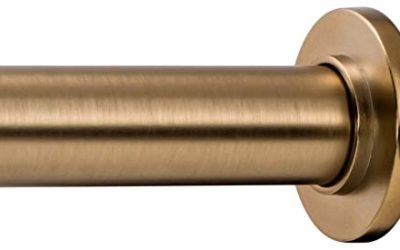
If you are comparing options online, a wide selection of drapery panels will show heading style, fabric content and lining in the product details. A heavy-duty curtain rod with a center support matters for wide windows, and a handheld garment steamer helps relax creases after unpacking.
Buying checklist
- Measure window width, height and the space above the frame before choosing a size.
- Multiply window width by one and a half to two to find your total panel width.
- Decide the finished length: skimming, touching or sill length.
- Choose the lining for the job: standard, blackout or thermal.
- Match the heading style to how often you will open the panels.
- Read the care label and confirm you can wash or clean the panels.
- Check the weight of the panels against the rod’s stated load.
- Buy a center bracket for wide spans and use studs or rated anchors.
- Keep cords out of reach and avoid pooling fabric in children’s rooms.
- Hang the panels for a day or two before hemming.
Frequently asked questions
How wide should drapery panels be?
Aim for a combined width of about one and a half to two times the window width. Sheer or lightweight fabrics often look best at the fuller end of that range.
How high should I hang the rod?
Many people mount it partway between the top of the window frame and the ceiling, which draws the eye up. Leave enough room for rings and hooks to move freely.
Are blackout panels completely dark?
Rarely. They block most light through the fabric, but light usually enters around the edges and above the rod. Wider panels, a rod mounted close to the ceiling and returns at the wall reduce leakage.
Which heading is best for daily use?
Grommet and ring-hung pleated panels slide most smoothly. Rod pocket headings are better for windows you open and close rarely.
Can I wash drapery panels at home?
Only if the label allows it. Many polyester and blended panels can go in a gentle cycle, but lined, velvet, wool and silk panels often need professional cleaning.
How much weight can a curtain rod hold?
It depends on the rod’s diameter, material, span and brackets. Check the manufacturer’s stated limit, add a center support on wide spans and use studs or properly rated anchors.
Should panels touch the floor?
Either skimming just above the floor or lightly touching it looks polished. Avoid hems that sit awkwardly in between, and avoid puddling in busy rooms.
Do thermal panels really help with energy bills?
They can reduce drafts and radiant heat transfer, which may improve comfort near windows. Results depend on the window, the fit and the panels, so treat them as a helpful addition rather than a substitute for sealing and insulating.
Conclusion
Good drapery is a matter of proportion and function. Measure carefully, buy enough width, pick a fabric and lining that match the job the window must do, and hang everything on hardware rated for the weight. Hang the rod high and wide, let the hem skim the floor, and the result will look deliberate whatever the price. Spend a little time on the details, and the panels will serve for years.
Disclosure: As an Amazon Associate, we earn from qualifying purchases. Links marked as sponsored may earn a commission at no extra cost to you.
More from Amazon
Programs that pair well with the guide above. Offers and eligibility are set by Amazon and may change.
Collect the home and kitchen items you want in one registry that guests can shop from.
Create a wedding registrySet up recurring deliveries of everyday items on eligible products. Terms and savings are set by Amazon.
Explore Subscribe & SaveFree shipping on eligible items, Prime Video and more. Eligible new members can start with a free trial.
Start a Prime free trialAudiobooks and podcasts to listen to on the go. Eligible new members can start with a free trial.
Try Audible freeAs an Amazon Associate we earn from qualifying purchases.