
Our Top Picks


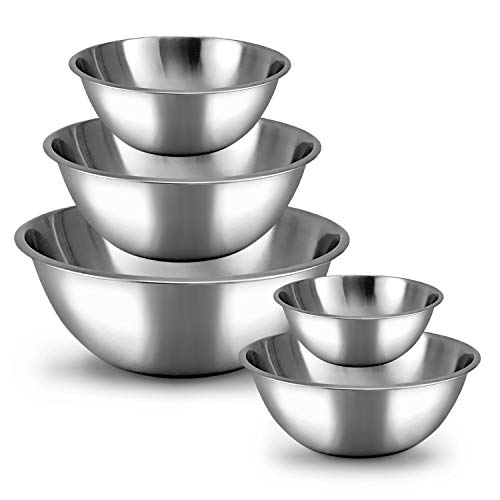

The short answer: the best decorative bowls are the ones that suit the surface they will sit on, the scale of the room and the way you plan to use them. For a coffee table or console, a wide, shallow bowl in ceramic, wood or stone-look material works as a catch-all and a focal point at once. For a dining table, a larger low bowl keeps sight lines open. Glass and metal bring light and sheen, while woven and wooden styles add texture. If you plan to put food in a bowl, confirm in the product details that it is food safe, because many decorative pieces are not.
This guide does not crown a single winner. It explains the materials, the shapes, how to pick a size, how to fill and style a bowl so it looks deliberate, how to care for each finish and which mistakes lead to a bowl that sits unused in a cupboard. Use it to narrow your options, then compare current listings against your own table or shelf.
Contents
- What a decorative bowl does in a room
- Materials and what each one offers
- Materials compared
- Shape and size
- What to put in a decorative bowl
- Where to place bowls around the home
- Care and cleaning
- Buyer checklist
- Mistakes to avoid
- Safety and food-contact notes
- Frequently asked questions
- Bottom line
What a decorative bowl does in a room
A decorative bowl is one of the simplest ways to add shape, texture and a little purpose to a flat surface. It gives a table a center of gravity, collects small items such as keys or remote controls, and offers a place to put seasonal fillers. Unlike a vase, it does not need flowers to look finished, and unlike a sculpture, it can earn its keep by holding something.
Because bowls are low and open, they suit places where height would feel intrusive: the middle of a dining table, a coffee table people look across, or a narrow entry console. They also work as a visual bridge, linking a lamp and a stack of books into one tidy arrangement.
Materials and what each one offers
Ceramic and stoneware
Ceramic is the most versatile choice. Glazed finishes can be glossy, matte, speckled or crackled, and the range of colors is wide. Stoneware tends to feel substantial and earthy, while thinner ceramic can look lighter and more refined. Glazed interiors are easy to wipe clean, but chips show quickly, and an unglazed base can scratch a polished table, so look for a finished or padded underside.
Wood and bamboo
Wooden bowls bring warmth, grain and a handmade feel. Turned, carved and hollowed designs suit rustic, Scandinavian and mid-century interiors. Wood is forgiving if bumped but reacts to moisture and dry air, so avoid soaking it and keep it away from radiators. Oils and finishes vary, and some are not intended for food contact, so check the product notes before using one for fruit or snacks.
Glass and crystal-look
Glass bowls catch and spread light, which is useful in dim rooms and on sideboards near windows. Clear glass shows what is inside, so it rewards tidy fillers, while tinted or textured glass hides more. It can feel heavier than it looks and shows fingerprints and dust, but it pairs well with nearly everything.
Metal
Brass-tone, copper-tone, silver-tone and blackened metal bowls add sheen and contrast. They shine on a dark wood table or against matte ceramics. Hammered and brushed finishes hide smudges better than mirror finishes do. Be careful with lacquered pieces, which can mark if cleaned with harsh products, and check whether a metal bowl is made for food or purely for display, since interior coatings differ.
Stone, marble and concrete-look
Stone and composite bowls feel heavy, cool and architectural. They can anchor a table and look quietly luxurious. They are also among the heaviest options, so consider the surface, and know that porous stone can absorb oils and stains unless it is sealed. Read the care guidance on the listing.
Woven, rattan and fiber
Woven bowls soften a hard-edged room and are lightweight, which makes them good for large sizes. They are best for dry items such as pinecones, wrapped soaps or decorative balls. They are not well suited to anything wet or sticky and can collect dust in their weave.
Materials compared
| Material | Look and feel | Weight | Upkeep | Good for |
|---|---|---|---|---|
| Ceramic or stoneware | Versatile, glazed color | Medium | Wipe clean; chips show | Coffee tables, entry consoles |
| Wood or bamboo | Warm grain, organic | Light to medium | Avoid soaking; oil as advised | Dining centerpieces, rustic rooms |
| Glass | Reflective, clear or tinted | Medium to heavy | Shows fingerprints and dust | Sideboards, bright rooms |
| Metal | Sheen, contrast | Light to medium | Finish-specific cleaning | Modern and glam styling |
| Stone or composite | Solid, architectural | Heavy | Seal or wipe as advised | Heavy-duty anchors on sturdy tables |
| Woven or fiber | Textural, casual | Very light | Dust with a brush; keep dry | Large bowls, dry fillers |
If you want to see the range, browse ceramic decorative bowls or wooden centerpiece bowls and check each product page for dimensions and material notes.
Shape and size
Scale to the surface
The most common error with decorative bowls is choosing one that is too small and gets lost. As a general guide, a centerpiece bowl should take up a modest share of the table length, leaving plenty of room for plates, glasses and serving dishes. On a coffee table, one generous bowl usually looks better than several tiny ones. Measure your table, then tape out the footprint of the bowl with painter tape if you are unsure.
Wide and shallow versus deep and tall
Shallow, wide bowls are easiest to see into, which makes them better for display and for collecting smaller objects. Deep bowls hide their contents and suit bulky fillers like decorative spheres or fruit. A deep bowl at the center of a dining table can block conversation, so go lower there.
Footed, pedestal and flat-based styles
A footed bowl lifts the contents and gives the piece a formal feel. Flat-based bowls feel relaxed and sit well on trays. Check the stability of a footed bowl, since a narrow stem or foot on a loaded bowl can tip easily if bumped.
Round, oval and organic shapes
Round bowls feel classic, while oval and long, boat-like shapes suit narrow tables and consoles. Organic, irregular shapes lean artistic and look best when everything else on the surface is simple. Matching the shape to the table helps: round bowls on round tables, long ones on rectangular tables.
Single bowls, nesting sets and trios
Nesting sets are flexible, since you can separate them for different rooms or stagger them on a tray. Trios in varied sizes create instant groupings, and an odd number usually looks more natural than an even one. Think about whether you will actually use all of the pieces before buying a set.
What to put in a decorative bowl
An empty bowl can look beautiful, particularly if it is sculptural. If you want to fill it, the best fillers are simple and a little texture-heavy. Popular options include:
- Dried botanicals, wooden beads or moss spheres.
- Pinecones, shells or smooth river-style stones in neutral tones.
- Candles, with a stable base and a safe distance from other materials.
- Books or small objects lying flat in a shallow bowl.
- Seasonal items such as ornaments in winter or small gourds in autumn.
- Everyday items at an entry, such as keys, sunglasses or loose change.
Choose fillers that contrast with the bowl. A glossy bowl suits matte, natural fillers, while a matte bowl can take something shinier. Limit the palette to two or three tones, and replace fillers when they get dusty or sun-faded. If you use fresh fruit, stick to bowls labeled food safe and see the safety section below.
Where to place bowls around the home
Coffee tables
A wide, low bowl keeps sight lines open and gives the table a focal point. Pair it with a short stack of books and a small plant or candle for a balanced trio. Keep it centered or slightly offset toward one end to leave room for cups.
Dining tables
Choose a low bowl so guests can see each other. Think about how often you will remove it, since a very heavy or oversized bowl becomes a nuisance every time you set the table. Place a mat or tray under it to protect the surface.
Entryways and consoles
A sturdy bowl at the door is a practical landing zone for keys and small items. Pick a material that can handle metal keys without scratching, and consider a bowl with a slightly raised lip so items do not slide out.
Kitchens and sideboards
Counters work well for fruit bowls and shelves for purely decorative pieces. Keep decorative bowls away from the splash zone around the stove and sink, where grease and moisture will dull finishes.
Shelves and mantels
A bowl placed on its side on a stand, or leaned against the wall, can act as a piece of art. If you stand a bowl upright on a ledge, check that it cannot slide or tip, and use a small stand or putty if the surface is slick.
Care and cleaning
Follow the manufacturer instructions for each piece, since glazes, finishes and coatings differ. As a general principle, dust regularly with a soft, dry cloth, and wipe only as the instructions allow. Avoid soaking wooden bowls, and do not put decorative pieces in a dishwasher unless the listing says so. Keep woven bowls dry. Use felt pads or a thin liner under hard bases to protect furniture. Store stacked bowls with a cloth or felt between them, because glazed rims can chip each other.
Buyer checklist
- Measure the surface and decide how much of it the bowl may occupy.
- Choose a diameter and height that suit sight lines, especially on dining tables.
- Check the material and read whether it is food safe, display only or both.
- Look at the base: is it finished, flat and stable, with pads if needed?
- Consider the weight and where you will move the bowl for cleaning.
- Decide on what you will put in it and match the depth to that filler.
- Compare the color and finish with existing decor, keeping to two or three tones.
- Check the listing for care instructions and any warnings about heat, moisture or dishwashers.
- Read reviews for notes about chips, glaze color accuracy and shipping packaging.
- Confirm the return policy for fragile items.
- Check current specifications and instructions before ordering.
Mistakes to avoid
Buying a bowl that is too small
Small bowls vanish on large tables. When in doubt, go bigger and shallower, or group two or three together on a tray.
Assuming every bowl is food safe
Many decorative pieces have glazes, paints or coatings that were never intended for food contact. If the listing does not say it is food safe, treat it as display only.
Blocking the view at the dining table
A tall, dense centerpiece can put a wall between guests. Keep dining bowls low and open.
Overfilling the bowl
A bowl crammed to overflowing looks messy. Fill it about two-thirds, and let the shape show.
Matching everything exactly
A bowl that matches the vase, the tray and the candle holder can feel showroom-stiff. Vary scale and texture and repeat only a color.
Forgetting the underside
Rough ceramic feet and metal bases can scratch wood tables. Add felt pads or place the bowl on a tray.
Safety and food-contact notes
The key safety question with decorative bowls is what touches the food. Pieces made for display may use glazes, paints, metallic finishes or sealants that are not intended for contact with food or drink. Unless the product details clearly say a bowl is food safe, use it for non-food items, or put food in a separate liner that is designed for the purpose. Never assume that a pretty ceramic bowl is safe for hot dishes, microwave use or acidic foods.
Candles in bowls need extra care. Use only containers that the instructions say can hold a flame, keep the flame away from dried botanicals, paper and fabric, and never leave a burning candle unattended. Glass and ceramic can crack with sudden temperature changes.
Also think about breakage and weight. Heavy bowls on glass tables can scratch or crack the top, and chipped glass or ceramic edges can cut. Keep fragile pieces out of reach of small children and pets, and avoid placing bowls where a bump or a tug on a tablecloth could send them off the edge. Do not fill small, easily swallowed items such as beads or marbles in a bowl within reach of toddlers.
Frequently asked questions
What size decorative bowl should I get for a coffee table?
Pick one that is generous without crowding. A wide, low bowl that takes up a modest portion of the table length usually looks best, leaving space for cups and books. Measure and try a paper template.
Can I put fruit in a decorative bowl?
Only if the product says it is food safe. Otherwise use a liner or choose a bowl designed for food and keep the decorative one for non-food items.
What can I fill a decorative bowl with?
Dried botanicals, wooden beads, pinecones, shells, stones, ornaments and small candles in suitable containers work well. Choose textures that contrast with the bowl and fill about two-thirds.
How do I stop a bowl from scratching my table?
Use felt or rubber pads on the base, or set the bowl on a tray or mat. Check the base for rough, unglazed or metal edges before placing it.
Are glass or ceramic bowls better?
Neither is better overall. Glass adds light and transparency, while ceramic offers color, glaze variety and a more solid feel. Choose according to your room and how much visual weight you want.
How many decorative bowls should I display together?
Groups of one large bowl or three varied ones are common choices. Odd numbers feel natural, but one bold piece can be better than a crowd of small ones.
Can decorative bowls go in the dishwasher?
Only when the listing says so. Many glazes, paints and wooden or metal finishes can be damaged by dishwasher heat and detergents, so hand wiping is usually safer.
How do I choose a bowl for a dining table?
Choose a low, open shape so sight lines stay clear, a size that leaves room for dishes and a base that will not scratch. Check that it is easy to lift away when you set the table.
Bottom line
The best decorative bowl fits its surface, suits its purpose and is made from a material you are willing to care for. Scale up rather than down, keep dining bowls low, protect your furniture with pads and treat any piece as display only unless it is clearly labeled food safe. When you are ready to compare, browse glass decorative bowls, metal accent bowls or woven bowls, and check current specifications and instructions first.
Disclosure: As an Amazon Associate, we earn from qualifying purchases. Links marked as sponsored may earn us a commission at no extra cost to you.
More from Amazon
Programs that pair well with the guide above. Offers and eligibility are set by Amazon and may change.
Collect the home and kitchen items you want in one registry that guests can shop from.
Create a wedding registrySet up recurring deliveries of everyday items on eligible products. Terms and savings are set by Amazon.
Explore Subscribe & SaveFree shipping on eligible items, Prime Video and more. Eligible new members can start with a free trial.
Start a Prime free trialAudiobooks and podcasts to listen to on the go. Eligible new members can start with a free trial.
Try Audible freeAs an Amazon Associate we earn from qualifying purchases.









