
Our Top Picks
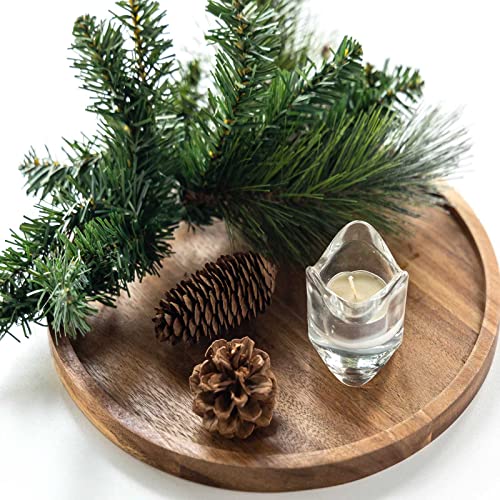
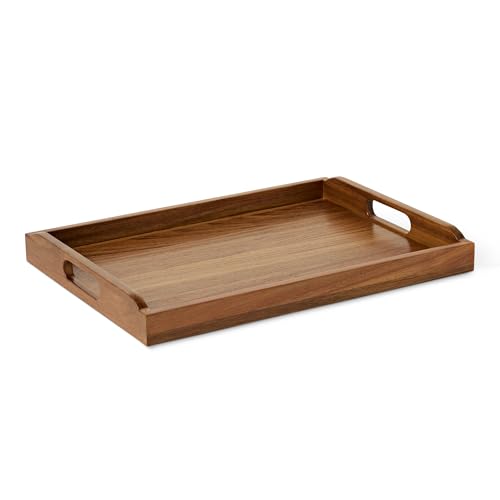

The short answer: the best decorative trays are the ones with a rim that suits the job, a flat and stable base, a size in proportion to the surface beneath them, and a material that matches how much wear they will face. A wooden or metal tray with modest handles is the most flexible choice, since it can corral objects on a coffee table one day and carry drinks the next. A lacquered or mirrored tray looks lovely but needs more care. An ottoman tray should be rigid and wide enough to stay level. Choose function and fit first, and then let the finish reflect your room.
This guide does not rank products or mention brands. It explains the main tray types, materials, shapes and sizes, shows how to arrange objects on them, and covers the care and safety points that tend to be overlooked. Use it to narrow your search and then check current listings against your own space.
Contents
- Why a tray earns its place
- Tray types and where they work
- Materials compared
- Size, shape and proportion
- Comparison table
- How to style a tray
- Room-by-room ideas
- Care and safety notes
- Buyer checklist
- Mistakes to avoid
- FAQ
- Bottom line
Why a tray earns its place
A tray works like a frame for a small collection of objects. Candles, a vase, a stack of books and a bowl look scattered on bare furniture, but placed together on a tray they read as a deliberate vignette. The edges tell the eye where the arrangement begins and ends, and the whole group can be lifted away in one go when you need to clear the surface. That is the real appeal: it brings order to a surface without hiding it.
Trays are also practical. They protect a table finish from a damp glass, hold remote controls and coasters, and help with serving when a guest needs a drink. A decorative tray that can also work as a serving tray gives you two jobs for one purchase, though the two roles do not always overlap, as the sections below explain.
Decorative versus serving trays
A serving tray is built to be carried, so it needs a lip or rim, handles you can grip, and a surface that will not let a glass slide. A decorative tray may be a flat slab of marble, a mirrored plate or a delicate woven shape that looks wonderful but would be a poor choice for a full set of drinks. Read the listing to see whether the maker describes the tray as suitable for carrying or only for display. When in doubt, treat a tray as display-only and keep heavy or hot items off it.
Tray types and where they work
Coffee table trays
These are usually rectangular or oval and sit centrally, anchoring the objects on the table. They suit candles, a small plant, a coaster stack and a book. Choose one that leaves a margin of table visible all around, because a tray that covers the whole top defeats the purpose.
Ottoman trays
An ottoman is soft and slightly yielding, so a tray on top of it must be firm enough to stay flat. Rigid wood, metal or thick composite works well, while a flimsy tray can tilt and spill. Look for a tray with a rim and a flat underside, and consider a non-slip layer beneath if the ottoman fabric is slick. Some ottoman trays include handles that fold or lie flat.
Kitchen and counter trays
A tray on the counter groups oils, salt, pepper and soap into one tidy zone. Use a material that wipes clean, because kitchens produce splashes and grease. Keep the tray away from the hob, since heat and splatter can damage some finishes.
Bathroom vanity trays
A small tray holds perfume, a soap dish and a plant, keeping a vanity organised. Moisture is the issue, so avoid untreated wood or fragile finishes in damp spaces, or choose a tray with a sealed surface.
Entryway and console trays
These catch keys, sunglasses and mail. A shallow tray is easy to reach into, while a deeper one hides clutter. Consider a material that can handle the occasional drop of metal keys.
Materials compared
Wood
Wood is warm, versatile and often the best all-purpose tray material. Hardwoods tend to be sturdier, while thinner veneers and engineered woods are lighter and more affordable. Raw wood can stain, so check whether the surface is sealed or finished. Avoid prolonged moisture on wood trays and wipe spills promptly.
Metal
Metal trays in brass-toned, copper-toned, black or silver finishes offer a crisp look. They are durable and easy to wipe, though some finishes can tarnish, scratch or show fingerprints. Check whether the metal is coated, since a plated surface may wear with abrasive cleaning.
Marble, stone and terrazzo
Stone trays add weight, luxury and calm. The weight makes them stable under candles and vases, but also heavy to carry and awkward as serving pieces. Many stones are porous and can stain from oil, wine or acidic liquids, so check for a sealant and follow any care guidance. Because they are brittle, treat them gently and avoid dropping them on hard floors.
Glass and mirrored
Mirrored trays bounce light and make a small arrangement look larger. They show dust and fingerprints, can scratch, and are slippery. Glass can break, so avoid placing glass trays where they may be knocked, and check the edges for smoothness.
Lacquer and resin
Lacquered trays are glossy and colourful, a good fit for modern or glam interiors. The finish can be vulnerable to heat, alcohol and harsh cleaners, so use coasters and read the care instructions. Resin trays can offer eye-catching patterns but may be less heat tolerant.
Woven and natural fibre
Rattan, seagrass, bamboo and rope trays bring texture and a relaxed feel. They hide wear well, but they absorb moisture and can be difficult to wipe clean, so use a liner or coaster underneath drinks and candles.
Leather and faux leather
Leather trays are soft to the eye and quiet on a tabletop. They can mark from moisture and need gentle cleaning. They are ideal for desks and entryways rather than kitchens.
Size, shape and proportion
The right size depends on the surface beneath it. As a general principle, a tray that fills roughly half to two thirds of a coffee table looks balanced, leaving a margin around the edge. On a small side table, a tray can fill most of the surface because the table itself is the frame. On an ottoman, a tray that is too small looks like an afterthought, and one that overhangs the edge is a spill waiting to happen.
Measure the table or ottoman, then decide how much margin you want. Check the listing for outer dimensions and inner dimensions, because a rim can reduce the usable space by an inch or more. If you plan to place particular objects on the tray, such as a candle trio or a vase, measure them together.
Rectangular, round, oval and square
- Rectangular: suits long coffee tables, consoles and ottomans, and pairs naturally with books.
- Round: softens a boxy room and suits round tables, bar carts and small vanities.
- Oval: a gentle compromise that fits both long and square surfaces.
- Square: neat on a square ottoman or small side table.
Handles and rims
Handles make a tray portable, but they add to its outer size and can catch on cushions. A low rim keeps objects from sliding, while a high rim can hide small items. For a display-only tray, a flat edge may look cleaner. For a tray that will carry drinks, prefer handles and a rim.
Comparison table
The table below shows general tendencies. Individual products vary, so use it as a guide and not as a guarantee.
| Material | Look | Best use | Care level | Main caution |
|---|---|---|---|---|
| Wood | Warm and classic | Coffee tables, ottomans, serving | Low to moderate | Moisture and stains |
| Metal | Sleek, bold | Bars, kitchens, consoles | Low | Fingerprints, tarnish |
| Marble or stone | Elegant, heavy | Display on stable tables | Moderate | Staining, weight, chipping |
| Glass or mirror | Reflective, airy | Vanities, dressers, bar carts | High | Breakage, smudges, slipperiness |
| Lacquer or resin | Glossy, colourful | Modern living rooms | Moderate | Heat and alcohol marks |
| Woven fibre | Textural, relaxed | Casual living spaces | Moderate | Absorbs moisture |
| Leather | Soft, refined | Desks, entryways | Moderate | Water marks, scratching |
For an easy starting point, a wooden decorative tray with handles suits most living rooms, and a rigid ottoman tray turns a soft footstool into a usable surface.
How to style a tray
The easiest formula is a mix of height, texture and a touch of life. Start with one tall element, add one or two mid-height items, then finish with a small accent. Leave a bit of the tray visible, because crowding it will wipe out the very order the tray is supposed to create.
The classic three-part formula
- Something tall: a vase with stems, a candlestick or a slim sculpture.
- Something mid-height: a stack of books, a lidded box or a small plant.
- Something small: a trinket dish, a matchbox, a few smooth stones or a coaster set.
Mixing textures
Pair a smooth tray with a rough object, such as a ceramic bowl on polished wood, or a glossy tray with a matte candle. Contrast keeps the arrangement from feeling flat. Stay within two or three colours to avoid a busy look.
Keeping it practical
If the tray is a working surface, keep the objects on it useful. A coffee table tray might hold a candle, coasters and a remote basket. A kitchen tray might hold oil, salt and a pepper mill. Decor that you need to move every day will soon annoy you, so make it easy to lift the whole tray and put it down again.
Candles on trays
Candles look wonderful on a tray, but a flame near books, paper or fabric is a hazard. Place candles in stable holders on a heat-tolerant tray, keep them away from anything flammable, and never leave them burning unattended. Flameless candles are a calmer substitute for casual evenings. You can browse candle holders in heights that fit your arrangement.
Room-by-room ideas
Living room
Anchor the coffee table with a large tray holding a bowl, a candle and a small stack of books. Add a second smaller tray on a side table to echo the finish. Keep daily-use items such as remotes in a shallow basket within the tray.
Bedroom
A small tray on a nightstand corrals a glass of water, a book and a lamp-friendly clear space. On a dresser, a tray keeps perfume and jewellery together and protects the surface from spills.
Kitchen and dining
A tray on the counter turns loose bottles into a feature, while a tray on a dining sideboard can hold a carafe and glasses ready for guests. Wipe-clean finishes are best here.
Bathroom
A moisture-safe tray holds soap, a plant and a towel roll. Use sealed wood, metal or ceramic and dry the tray after splashes.
Entryway and office
Use a sturdy tray for keys and a leather or felt-lined tray for desk items. A tray on a console also helps stop small items migrating across the house.
Care and safety notes
- Read the care guidance. Cleaning advice differs between wood, stone, lacquer and metal. Check current specs and instructions before you clean or use a tray for something new.
- Heat: do not place hot pans, kettles or candles directly on a tray unless the maker states it is heat-safe. Use trivets or stable holders.
- Candles: keep flames away from paper, books and fabric, and never leave them unattended.
- Carrying weight: do not overload a decorative tray. A full set of drinks needs a rigid tray with proper handles and a non-slip surface.
- Slippery surfaces: glass, mirror and lacquer can let glasses slide. Add a non-slip liner if you plan to carry items.
- Stone and glass weight: lift with both hands and keep these trays away from the edges of tables where they can be knocked.
- Food contact: if you plan to put food directly on a tray, confirm that the finish is intended for that. Otherwise, use a plate, a board or a liner.
- Moisture: use coasters under wet glasses, and dry the tray after splashes, especially wood and woven styles.
- Surfaces underneath: felt pads or a thin liner can protect furniture from scratches, particularly with metal and stone trays.
Buyer checklist
- I measured the table, ottoman or counter where the tray will go.
- I know whether the tray is for display, serving or both.
- The listing gives the outer and the inner dimensions.
- I know what the tray is made of and how to clean it.
- The base is flat and the tray sits level without rocking.
- The rim height suits the objects I want to hold.
- Handles are comfortable and do not stick out awkwardly.
- The finish suits the room’s moisture and heat conditions.
- I have thought about weight if the tray will be carried.
- The colour and tone work with my furniture and my objects.
- I checked return terms in case the finish looks different at home.
Mistakes to avoid
Choosing a tray that is too small
A tiny tray on a big table looks like a coaster. Measure and aim for a tray that gives the arrangement real presence.
Using a decorative tray for carrying
A tray without handles or a rim is a spill hazard when loaded with drinks. Use a real serving tray for carrying.
Overfilling the surface
Pack in too many items and the tray loses its calming effect. Leave visible space, and edit down until it feels balanced.
Ignoring heat and moisture
A tray that suits a living room may not survive a bathroom or a hot counter. Match the material to the conditions.
Putting a flimsy tray on an ottoman
Soft furniture needs a firm tray. A thin one flexes and tips, so choose a rigid design with a flat base.
Forgetting the scratches underneath
Metal, stone and ceramic bases can scratch a wood table. Add felt pads or a liner to avoid marks.
FAQ
1. What size decorative tray should I put on a coffee table?
Aim for a tray covering about half to two thirds of the table top, leaving a visible margin. Measure your table and compare the outer dimensions in the listing.
2. Can I use a decorative tray to serve drinks?
Only if it has a rim, secure handles and a surface that will not let glasses slide. Many purely decorative trays are not suitable for carrying.
3. What is the best tray for an ottoman?
A rigid, flat-bottomed tray with a rim, made of wood, metal or a sturdy composite. A firm base keeps it level on the soft surface.
4. How do I stop a tray from slipping?
A thin non-slip liner or small grip pads under the tray usually works. Check that they will not mark your furniture.
5. Which material is easiest to clean?
Sealed metal and sealed wood are generally easy to wipe. Always follow the care guidance for your specific tray.
6. Can I put candles on a tray?
Yes, with care. Use stable holders, a heat-tolerant tray and clear space from books and fabric, and do not leave flames unattended. Flameless candles are a good alternative.
7. How many items should go on a tray?
Three is a handy starting point, with different heights. Add a fourth only if it still looks calm.
8. Should a tray match my other decor?
It should relate to it, not match it exactly. Repeat a colour or material from elsewhere in the room, and let one element contrast.
Bottom line
A good decorative tray is sized to its surface, built for its purpose and made from a material that can handle the room it lives in. Choose a rigid, flat-based tray for ottomans, a rimmed one with handles for serving, and a sealed finish for kitchens and bathrooms. Keep flames and hot items away unless the maker says otherwise, and check current specs and care instructions before you buy. When you are ready, compare a few round decorative trays and rectangular options against the checklist above.
Disclosure: As an Amazon Associate, we earn from qualifying purchases. Links marked as sponsored may earn us a commission at no extra cost to you.
More from Amazon
Programs that pair well with the guide above. Offers and eligibility are set by Amazon and may change.
Collect the home and kitchen items you want in one registry that guests can shop from.
Create a wedding registrySet up recurring deliveries of everyday items on eligible products. Terms and savings are set by Amazon.
Explore Subscribe & SaveFree shipping on eligible items, Prime Video and more. Eligible new members can start with a free trial.
Start a Prime free trialAudiobooks and podcasts to listen to on the go. Eligible new members can start with a free trial.
Try Audible freeAs an Amazon Associate we earn from qualifying purchases.









