Key takeaways
- Table of Contents 4 sections 11 min read 1 Quick Verdict 2 How to Do It 2.1 Measure the sun over a full day 2.2 Test the drainage with a hole 2.3 Find your zone and your frost dates 2.4…
Nearly every failed first flower garden fails for the same two reasons, and neither of them is a lack of gardening talent. The first is a mismatch between the plants and the site — sun-loving plants in a shady bed, or moisture-lovers in dry sandy soil. The second is scale: a bed larger than the gardener has time to weed and water, which looks wonderful in May and abandoned by August. Both are decided before a single plant goes in the ground.
This is a beginner’s guide organized around those two decisions. It covers how to read your site honestly, how big a first bed should actually be, how to structure a planting so it looks intentional rather than random, and how to time everything to your own USDA hardiness zone and local frost dates rather than to a calendar written for somewhere else. Planting advice pegged to specific months is one of the most common ways beginners get misled — the last spring frost can fall anywhere from January to June depending on where in the country you are, and “plant in March” is simply wrong for most of it.

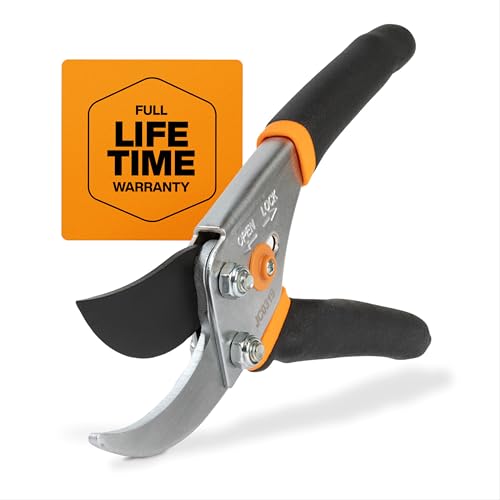
Grenebo Heavy Duty Gardening Tools with Handbag, Gardening Gifts for Women
Selected for "flower garden ideas for beginners": this listing is a general product (Grenebo Heavy Duty Gardening Tools with Handbag, Gardening Gifts for Women), matching the product category this article compares.
View on Amazon
22Pcs Gardening Tools Set for Women Heavy Duty Garden Hand Tool Kit Birthday Gifts for Mom Her Wife Grandma Beginner Gardening Accessories with Tote Bag/Shovel/Repotting Mat/Plant Labels/Gloves-Black
Selected for "flower garden ideas for beginners": this listing is a general product (22Pcs Gardening Tools Set for Women Heavy Duty Garden Hand Tool Kit Birthday Gif), matching the product category this article compares.
View on Amazon
Heavy Duty Gardening Tools - Gardening Gifts for Women, Men, Mom, Dad - Durable, Ergonomic Garden Tools Set (Green)
Selected for "flower garden ideas for beginners": this listing is a general product (Heavy Duty Gardening Tools - Gardening Gifts for Women, Men, Mom, Dad - Durable,), matching the product category this article compares.
View on Amazon
Housolution Gardening Tools Set, 8PCS Gardening Gifts for Women, Green
Selected for "flower garden ideas for beginners": this listing is a general product (Housolution Gardening Tools Set, 8PCS Gardening Gifts for Women, Green), matching the product category this article compares.
View on AmazonQuick Verdict
Start with a bed no larger than about 4 by 8 feet. That is enough to look like a real flower garden and small enough that weeding it takes twenty minutes, not a Saturday. Beginners who start bigger usually end up with a bed they avoid looking at.
Track the sun before you choose anything. Six or more hours of direct sun is full sun, three to six is part sun or part shade, under three is shade. Most flowering plants sold as garden staples want full sun, and putting them in a part-shade bed produces leggy plants with few blooms.
For the first year, lean on annuals grown from seed. They are cheap, they bloom the same season, and if a plant or a placement does not work you have lost a few dollars and a few months rather than a permanent investment.
Add perennials once you know the site. A perennial is a multi-year commitment to one spot. Making that commitment in year two, with a season of observation behind you, produces far better results than making it on day one.
| Bed Type | Sun Needed | Plant Category | First-Year Result | Ongoing Work |
|---|---|---|---|---|
| Full-sun annual border | 6+ hours | Direct-sown annuals | Full bloom same season | Replant yearly |
| Full-sun perennial bed | 6+ hours | Perennials, small pots | Sparse; fills in years 2-3 | Low after establishment |
| Part-shade bed | 3-6 hours | Shade-tolerant perennials, foliage | Mostly foliage year one | Low |
| Full-shade bed | Under 3 hours | Foliage plants, shade perennials | Texture over color | Low |
| Container cluster | Any, movable | Annuals, tender perennials | Immediate | Daily watering in heat |
| Cottage-style mixed bed | 6+ hours | Annuals + perennials together | Good year one, better later | Medium |
| Native pollinator bed | Varies by species | Regional natives | Slow start, strong year 3 | Very low once established |
| Bulb-led spring bed | 6+ hours in spring | Bulbs planted in fall | Blooms following spring | Low |
How to Do It
Measure the sun over a full day
Pick a clear day and check the intended bed every hour from morning to evening, noting whether it is in direct sun or shade. Add up the direct-sun hours. Do this in the season you will actually be gardening, because deciduous trees change everything between early spring and midsummer — a bed that is full sun in April can be deep shade in July once the canopy leafs out. This single exercise prevents the most common beginner failure.
Test the drainage with a hole
Dig a hole about a foot deep and a foot wide, fill it with water, let it drain, then fill it again and time how long the second fill takes to empty. Draining within a few hours is good. Water still standing after 12 to 24 hours means poor drainage, and a bed there will kill most flowering plants regardless of what else you do right. In that case, either choose a different site or build up with a raised bed — small galvanized kits start around $19.99, with larger 8×4 beds in the $64 to $80 range.
Find your zone and your frost dates
Your USDA hardiness zone tells you which perennials, shrubs and bulbs will survive winter in your location. It is based on average annual minimum winter temperature, and it says nothing about summer heat, humidity, or when to plant. For timing, you need two local dates: the average last spring frost and the average first fall frost. Both are published by county extension offices. Everything on a seed packet that says “sow two weeks before last frost” or “start indoors six weeks before last frost” is written to be used with your dates, not a fixed month. In Zone 9 the last frost may fall in February; in Zone 3 it can be late May or June.
Prepare the soil once, properly
Remove existing grass and weeds, loosen the top six to eight inches, and work in two to three inches of compost. That is the whole job for most beginner beds. Resist the urge to buy specialty fertilizers and amendments before you know what your soil is like — a basic soil test through your county extension office costs very little and tells you what, if anything, you actually need. Most residential soil needs organic matter and nothing else.
Plan the planting in three layers
The structure that makes a bed look designed rather than accidental is simple: tallest plants at the back (or the center, for an island bed viewed from all sides), medium in the middle, low plants at the front. Plant in groups of three or five of the same thing rather than one of each of fifteen different plants — repetition reads as intentional and single specimens read as a collection. Leave the spacing the label calls for even though it looks absurdly sparse at planting time; crowded beds have more disease problems and require dividing sooner.
Sow annuals directly and start perennials small
Many of the easiest annual flowers can be sown directly into the prepared bed once the soil has warmed — roughly 60°F or above for most warm-season annuals, which usually happens a week or two after the last frost date. Read the packet for which ones can be sown earlier as cool-season crops. For perennials, buying small quart or one-gallon pots costs a fraction of larger sizes and they catch up within two to three seasons.
Water deeply and infrequently
New plantings need consistent moisture for the first several weeks while roots establish. After that, a deep soak once or twice a week encourages deep roots far more effectively than a light daily sprinkle, which trains roots to stay near the surface where they dry out first. Water at the base rather than over the foliage, and water in the morning so leaves dry before evening.
Choosing Plants Without Getting Burned
The honest advice on plant selection for a first garden is to work in categories rather than chasing specific named varieties. Full-sun annuals grown from seed — the kind sold as easy mixes and cut-flower staples — will bloom in the first season almost anywhere in the country given sun, decent soil and water. Shade beds are better approached through foliage: plants grown for leaf texture, size and color hold interest for far longer than the brief bloom periods most shade perennials offer. Part-shade beds sit awkwardly between the two and reward patience more than ambition.
Where beginners get into trouble is buying by photograph. Bloom times, mature sizes and sun requirements vary substantially between cultivars of the same species and between regions, and a plant that blooms for six weeks in one climate may bloom for two in another. The reliable source for this information is not a general article but the tag on the plant, the seed packet, and your state’s cooperative extension service, which publishes regionally specific recommended plant lists. Those lists are free, written for your conditions, and vastly more accurate than any national guidance.
One category deserves an explicit warning: inexpensive generic wildflower seed mixes. These are marketed heavily to beginners and some contain species that are genuinely invasive in parts of the US. Dame’s rocket appears in mixes sold in the Midwest and Northeast, where it is a listed invasive that escapes into woodlands, and oxeye daisy is a noxious weed in several western states. Buy a mix that lists every species included, or buy a regionally formulated mix, and check anything unfamiliar against your state’s noxious weed list. The same caution applies to a handful of widely sold ornamentals — butterfly bush is a noxious weed in Oregon, periwinkle escapes into woodlands across much of the country, and Japanese barberry is restricted in several states — so a quick check before buying is a reasonable habit.
Native plants are worth considering for the opposite reason. Regionally native flowering perennials are adapted to your rainfall, soil and winter temperatures, which means less watering, less fussing and no invasiveness risk. They tend to establish slowly — the usual description is that they sleep the first year, creep the second, and leap the third — so they suit a gardener planning for year three more than one who needs color this season. A practical hybrid approach is a native perennial framework with annuals sown in the gaps for the first two years.
Finally, accept that some plants will die. Experienced gardeners lose plants every season; the difference is that they treat it as information about the site rather than as failure. A plant that died in one spot often thrives ten feet away, and the only way to learn that about your own yard is to plant, observe, and move things.
Related guides: backyard landscaping ideas on a budget, best beginner flowers for a cutting garden, raised flower bed layout ideas, best at home gel nail kits, french tip variations for 2026
FAQ
How do I find my USDA hardiness zone?
Enter your ZIP code on the USDA plant hardiness zone map. The zone tells you the average annual minimum winter temperature for your area, which determines which perennials, shrubs and bulbs can survive winter where you live. It does not tell you when to plant — for that you need your local average last spring frost and first fall frost dates, available from your county extension office.
Should I start with seeds or buy plants?
Both, for different purposes. Annuals are cheapest and easiest from seed sown directly into the bed once soil has warmed, and a packet costs a few dollars. Perennials are usually easier bought as small plants, since many are slow and fussy from seed. Starting everything from seed indoors is a rewarding project but adds equipment and a learning curve that is unnecessary in year one.
How big should a first flower bed be?
Around 4 by 8 feet is a good target. It gives you enough space to plant in groups and create a front-to-back layer structure, while staying small enough to weed, water and deadhead without it becoming a chore. Expanding a bed that is working is easy; rescuing one that got away from you is not.
Why are my plants tall and leggy with few flowers?
Most often, not enough direct sun. A plant needing six or more hours that receives three will stretch toward the light and put its energy into growth rather than bloom. Over-fertilizing with a high-nitrogen product produces a similar result — lush foliage, few flowers. Check the sun hours first before changing anything else.
When is the best time to plant perennials?
When soil is workable and air temperatures are mild, which means different seasons in different zones. In colder zones, roughly 3 through 6, that is spring after the ground thaws or early fall with at least six weeks before the first expected frost. In hot southern zones, roughly 8 through 10, fall and winter planting is usually far more successful than spring, because it gives roots months to establish before summer heat arrives.