Key takeaways
- 2700K – 3000K (Warm White): Creates a cozy, relaxing environment similar to traditional incandescent bulbs. Great for ambient night lighting, but can obscure subtle color variations when applying makeup.
- 3500K – 4000K (Neutral / Bright White): The sweet spot for bathroom vanity task lighting. It provides clean, neutral illumination that mimics mid-morning daylight without feeling clinical.
- 5000K+ (Daylight Blue): Extremely stark and cool. While sometimes advertised for precision detail, it often causes harsh eye strain and makes residential spaces feel sterile.
As bathroom design priorities shift in 2026, illuminated mirrors have transformed from luxury hotel extras into essential home fixtures. Modern LED vanity mirrors combine reflection, task lighting, and ambient illumination into a single streamlined unit. However, buying one involves more than picking a stylish shape. Differences in light output, color accuracy, electrical components, and glass quality determine whether a mirror makes morning routines effortless or creates frustrating shadows and harsh glare.
Navigating the market requires cutting through vague marketing claims like “super bright” or “studio quality.” To make a smart investment, you need to understand specific technical criteria—such as Color Rendering Index (CRI), color temperature measured in Kelvin, lumen output, driver reliability, and proper physical scale. This guide breaks down the core specs that actually impact daily use, helping you select an LED vanity mirror that delivers clear, shadow-free illumination while integrating seamlessly into your electrical setup.
As an Amazon Associate we earn from qualifying purchases at no extra cost to you.
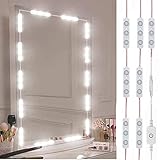
Understanding Color Rendering Index (CRI) and Light Quality
The single most critical spec for a vanity mirror is the Color Rendering Index (CRI), which measures how accurately a light source reveals true colors compared to natural sunlight. Standard interior LED lighting often has a CRI between 80 and 85, which is adequate for hallways or living rooms. However, low CRI lighting distorts skin tones, making your face appear washed out or unnaturally gray, which severely hinders makeup application and grooming.
For a vanity mirror, insist on a CRI rating of 90 or higher, with 95+ being the ideal benchmark for high-precision tasks. Pay attention to the R9 value as well if listed; R9 specifically measures how the light renders deep red tones, which are essential for showing healthy, accurate skin shades. High-CRI illumination ensures that colors applied at your bathroom mirror look identical when you step outside into natural daylight.
Selecting the Ideal Color Temperature
Color temperature is measured on the Kelvin (K) scale and dictates whether the emitted light feels warm and yellow or cool and blue. Choosing the wrong color temperature can ruin the ambience of your bathroom or make task lighting uncomfortable to look at for extended periods.
- 2700K – 3000K (Warm White): Creates a cozy, relaxing environment similar to traditional incandescent bulbs. Great for ambient night lighting, but can obscure subtle color variations when applying makeup.
- 3500K – 4000K (Neutral / Bright White): The sweet spot for bathroom vanity task lighting. It provides clean, neutral illumination that mimics mid-morning daylight without feeling clinical.
- 5000K+ (Daylight Blue): Extremely stark and cool. While sometimes advertised for precision detail, it often causes harsh eye strain and makes residential spaces feel sterile.
If your budget allows, opt for a mirror featuring tunable color temperature. These models allow you to adjust the output from warm (2700K) for a soothing evening bath to crisp neutral (4000K) for your morning routine with the tap of a button.
Front-Lit, Back-Lit, and Hybrid Configurations
Not all illuminated mirrors project light in the same direction. Understanding the structural differences between lighting styles prevents buying a fixture that looks great on paper but fails to illuminate your face properly.
Front-Lit Mirrors: Feature frosted glass cutouts or perimeter borders where light shines directly forward toward the user. This design provides maximum task illumination, filling in shadows under the eyes, nose, and chin.
Back-Lit Mirrors: Position the LED strips behind the mirror frame, bouncing light outward against the bathroom wall. This creates a soft halo effect that adds depth and accent lighting to your wall texture. However, backlighting alone is rarely powerful enough for primary grooming and should be treated as mood lighting.
Hybrid (Dual-Lit) Mirrors: Combine both forward-facing diffusers and backlit accent lighting. Top-tier hybrid models allow independent control over both channels, letting you turn on full illumination for morning prep or keep only the backlight active as a nightlight.
Sizing and Proportional Placement Guidelines
A common mistake is buying a mirror based solely on wall dimensions without accounting for the width of the vanity cabinet below it. An oversized or undersized mirror disrupts the visual balance of the entire bathroom.
As a rule of thumb, the mirror frame should measure 2 to 4 inches narrower than the total width of your vanity countertop. For instance, a 36-inch vanity pairs best with a 32-inch to 34-inch mirror. Never allow the mirror glass to extend wider than the cabinet edge.
For double-sink vanities, you have two options: install a single wide continuous mirror that spans both basins, or hang two separate vertical mirrors centered directly over each sink basin. When choosing dual mirrors, select widths between 20 and 24 inches to maintain sufficient visual spacing between the frames and surrounding side walls.
Electrical Wiring, Drivers, and Dimming Compatibility
Before purchasing, determine how the mirror will connect to your home’s electrical infrastructure. Most LED mirrors offer two installation pathways: hardwired direct to a wall switch or plugged into a standard wall outlet.
Hardwiring produces the cleanest look, concealing all wiring inside a standard wall junction box behind the glass frame. Ensure the mirror contains an internal LED driver (transformer) certified by recognized testing labs such as UL or ETL. Bargain mirrors with uncertified drivers frequently suffer from annoying humming noises, visible flicker, and early electrical failure.
If you plan to connect the mirror to an existing wall dimmer switch, confirm that the mirror’s driver supports wall dimming protocols (such as TRIAC or 0-10V dimming). Otherwise, use the built-in touch sensors on the mirror face to adjust brightness levels without altering your home wiring.
Where to Spend Money and Features to Avoid
To maximize your budget, invest in core structural materials rather than gimmicky electronic add-ons. Prioritize copper-free silver glass with an anti-corrosion coating; cheap mirror backings degrade rapidly in humid environments, creating dark black spots along the edges within a few years.
Built-in defoggers (demister pads) are another high-value feature worth paying extra for. These heating elements heat the glass surface slightly above room temperature, keeping a central section crystal clear even during steamy showers.
Conversely, avoid vanity mirrors bloated with unnecessary features like low-grade Bluetooth speakers or digital clocks. Integrated speakers behind glass usually offer tinny sound quality, and electronic clock modules frequently drift out of time or fail years before the LEDs lose their brightness.
Related Guides
To expand your home lighting plan, read our detailed recommendations for the best vanity mirrors with LED lighting. For airflow and ambient warmth in larger living areas, check out our guide to the best luxury large blade designer ceiling fans with LED lighting. Finally, enhance your exterior landscape architecture by reviewing our top selections for best low voltage landscape lighting.
FAQ
Can an LED vanity mirror serve as the sole light source in a bathroom?
While a high-lumen front-lit mirror provides excellent illumination for facial grooming, it should rarely be the only light fixture in the room. LED mirrors project light outward from a single plane, which means distant shower stalls and corners will remain dim. Combining your vanity mirror with ambient overhead recessed lights or flush mounts delivers a properly balanced room.
How long do integrated LEDs in a vanity mirror typically last?
Quality integrated LED strips are rated for between 30,000 and 50,000 operating hours. Under normal residential conditions of an hour or two of daily use, the lighting elements can last well over ten years. In most cases, the internal driver component will require replacement long before the actual LED diodes burn out.
Do I need a separate wall switch to control the demister pad?
Most modern LED mirrors feature an independent touch button on the front glass specifically assigned to the anti-fog pad. This configuration allows you to turn on the defogger only when taking a hot shower, keeping power consumption minimal. Hardwired installations can also pair the heating element to your primary bathroom light circuit if preferred.
Can I mount an LED vanity mirror horizontally or vertically?
Many rectangular LED vanity mirrors feature mounting brackets and wiring layouts designed for dual-orientation installation. However, you must verify that the keyhole slots and internal junction box cutouts on the backing frame support rotation before buying. Mounting orientation also changes the location of built-in touch sensors, which may affect reachability.