Smart color lighting has evolved from a novel party trick into an essential element of modern interior design. In 2026, creating immersive atmospheric scenes—from warm sunset gradients to deep twilight blues—requires more than just screwing in a few color-changing bulbs. A truly effective smart color lighting system seamlessly blends into your home’s architecture, enhances your daily routine through automated schedules, and responds instantly to switch presses or voice commands without sluggish lag.
Choosing the right setup requires evaluating color rendering quality, connection protocols, software engine capabilities, and physical control options before spending your money. Mismatched components often lead to frustrating color discrepancies across fixtures, dropped network connections, and scenes that fail to trigger reliably. This guide highlights the technical specifications, ecosystem choices, and planning steps that actually dictate your day-to-day lighting experience.
As an Amazon Associate we earn from qualifying purchases at no extra cost to you.
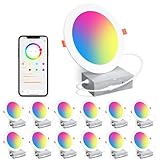
Light Quality and Color Rendering: Beyond Basic RGB
Not all color-changing lights produce equal light quality. Cheaper smart bulbs use basic RGB (Red, Green, Blue) LEDs to mix colors and simulate white light, resulting in muddy whites and harsh primary tones. For a high-end ambient feel, look for systems built on RGBW (adding a dedicated white LED) or RGBWW (adding warm white and cool white LEDs) architecture. Dedicated white diodes deliver natural whites ranging from 2000K to 6500K while drastically improving pastel colors.
Color Rendering Index (CRI) and consistency across fixtures are equally vital. Aim for fixtures with a CRI rating of 90 or higher, ensuring that artwork and furnishings retain true colors under artificial light. Top-tier manufacturers also enforce strict color binning, guaranteeing that multiple bulbs set to the exact same color scene display identical hues without green or pink shifts between fixtures.
Smart Protocols and Network Stability: Thread, Zigbee, and Wi-Fi
The wireless protocol powering your smart lights determines scene responsiveness and overall reliability. Direct Wi-Fi bulbs do not require a central hub, but scaling them beyond a dozen fixtures can overload your router and cause delay, making lights turn on sequentially rather than simultaneously.
For larger homes or complex scene setups, mesh network protocols like Thread and Zigbee offer superior speed and stability. Mesh networks pass signals from fixture to fixture, creating continuous communication paths. Local control processing—where scene instructions run locally on a hub rather than a distant cloud server—ensures your color scenes trigger instantly and work even during internet outages.
Scene Engine Capabilities and Dynamic Lighting Features
The software platform managing your lights is just as important as the physical bulbs. A sophisticated scene engine allows you to do far more than assign static colors. Look for applications supporting dynamic color scenes, where lights gently transition through curated palettes to simulate natural effects like campfire flickers or shifting twilight.
Advanced engines offer precise transition speed controls, multi-zone addressability for light strips, and continuous schedule synchronization. Systems with circadian rhythm support automatically adjust color temperature and brightness throughout the day, transitioning from energizing cool white in the morning to rich amber tones at night.
Physical Controls and Ecosystem Integration
A smart lighting system relying entirely on a smartphone app quickly becomes frustrating for household members and guests. A practical color setup incorporates physical controls, such as wireless wall switches, dial controllers, or scene keypads. Look for controllers that cycle through custom scenes via single, double, or long presses without cutting power to the smart fixtures.
Integration with major platforms like Apple Home, Google Home, Amazon Alexa, or Home Assistant is essential for unified control. Matter support ensures color lights from different manufacturers communicate smoothly across ecosystem boundaries and join single-tap scene triggers.
Common Mistakes When Planning Smart Color Lighting
A frequent mistake is underpowering a room by relying solely on color bulbs in standard table lamps. Color scenes create maximum impact through layered lighting, combining indirect accent lighting (such as LED strips behind displays) with ambient and task lighting. Relying on a single light source creates glare rather than an immersive wash of color.
Another common pitfall is placing smart bulbs behind standard toggle switches. Flipping off a traditional switch cuts main power, causing smart bulbs to drop off the network and break automated schedules. Always pair smart bulbs with smart switches or switch covers designed to maintain continuous power while sending digital scene commands.
Where to Invest Premium Budget vs. Where to Save
You do not need high-end smart fixtures in every room. Prioritize your budget in high-visibility areas like living rooms, media spaces, and primary bedrooms where high color rendering, smooth dimming to 1%, and dynamic motion add noticeable value. These zones benefit most from high-CRI RGBWW light strips and recessed fixtures.
For secondary spaces like guest rooms, hallways, or closets, basic smart bulbs or simple tunable white lighting are sufficient. When retrofitting existing spaces, focus on indirect light strips under cabinetry or behind furniture, as indirect washes are much more forgiving than direct-view fixtures.
Related Guides
To discover which specific hubs, light strips, and color bulbs performed best during our real-world evaluations, read our tested smart lighting systems with color scenes review for detailed performance comparisons.
FAQ
Do smart color lights require a hub to run custom scenes?
Wi-Fi and Bluetooth bulbs can run scenes directly through a mobile app without a hub, though they may suffer from latency. Thread and Zigbee systems require a dedicated bridge or border router, but they provide significantly faster scene response times and greater network stability.
What is the difference between RGBW and RGBWW smart bulbs?
RGBW bulbs feature red, green, blue, and a single white LED diode, usually tuned to a fixed white