Smart lighting has quietly become the easiest entry point into home automation, and in 2026 the barrier to getting started is lower than ever. A single Wi-Fi bulb that costs less than $8 can wake you with a gradual sunrise, switch itself off when you leave, and dim to a warm amber the moment your evening wind-down begins. The trick is not buying more gadgets, it is stringing together a handful of reliable devices into routines that run without you touching a switch.
This guide walks through how to build automated lighting around the natural rhythm of your day, from morning alarms to bedtime scenes. We reference dependable, affordable hardware such as the Govee Smart Light Bulbs, the Sengled Matter LED Smart Light Bulb, and the Kasa Smart Plug Ultra Mini so you can see exactly where each piece fits.
Our top picks




 PHILIPS Smart Lighting Connected Light Bulbs
- The Philips Smart color LED bulb offers millions…
- This A-shaped bulb also allows you to choose…
- Start enjoying the benefits of the smart features…
As an Amazon Associate we earn from qualifying purchases at no extra cost to you.
⚡ Save on Your Next PC — Amazon Prime
Prime members get fast free shipping on the systems above, plus early access to Prime Day & Black Friday PC deals. New members get a 30-day free trial.
Watch: How to Use Smart Lighting to Automate Your Home Routine — Video Review
Start With the Right Foundation: Bulbs vs. Plugs
Before writing a single automation, decide what you are actually controlling. Smart bulbs like the Govee A19 (800 lumens, roughly $19) or the Sengled Matter multicolor bulb (around $7.63) replace the light source itself, giving you dimming and color control down to the individual fixture. Smart plugs such as the Kasa Smart Plug Ultra Mini ($13.96) instead control whatever is plugged into them, which is perfect for lamps you love but do not want to rewire.
- Choose smart bulbs when you want color, tunable white, or per-bulb dimming.
- Choose smart plugs for existing lamps, string lights, or non-smart fixtures.
- Mix both: bulbs for ambiance, plugs for the reading lamp and the closet light.
Do You Need a Hub?
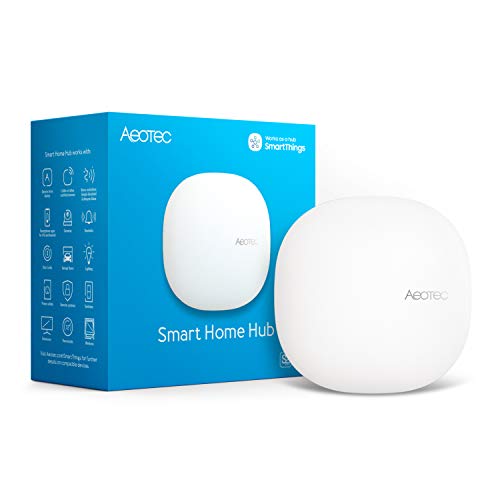
Most Wi-Fi devices connect directly to your router, so a beginner can automate a whole apartment with zero extra hardware. Once you pass roughly a dozen devices, or you want Zigbee and Z-Wave gear to talk to each other, a hub like the Aeotec Smart Home Hub ($149.99) pays off. It acts as a Matter gateway and keeps automations running locally, so your morning routine still fires even if the internet drops for an hour.
Building Your Morning Routine
The most satisfying automation is a sunrise wake-up. Set a tunable-white bulb such as the Philips Smart 40-Watt Tuneable White ($13.04) to begin at 2 percent brightness fifteen minutes before your alarm, then ramp to full cool-white 4000K by the time you are up. Pair it with a Kasa Smart Plug Mini ($28.99) controlling the coffee maker so the machine warms while you are still stretching.
Automating Evenings and Away Mode
In the evening, trigger a “wind-down” scene at sunset that drops your Govee or Philips Color A19 bulbs to warm 2200K amber at 30 percent. For security, use an away routine that randomly toggles a lamp on a smart plug between 7 and 11 PM, mimicking an occupied home. The Amazon Basics Smart Plug ($25.99) handles this reliably and integrates cleanly with Alexa voice control.
Tips for Automations That Actually Stick
- Name devices by room and role (“Bedroom Reading Lamp”), not by brand, so voice commands feel natural.
- Start with two or three routines and live with them a week before adding more.
- Use motion or door sensors for hallways and closets instead of fixed schedules.
- Keep at least one physical switch or smart button as a manual override for guests.
Frequently Asked Questions
Will my automations keep working if the Wi-Fi goes down?
Pure Wi-Fi bulbs pause when the router is offline, but scheduled routines stored on a hub like the Aeotec or on Kasa’s local firmware will still run. For critical routines, favor devices that support local execution.
Do smart bulbs use a lot of standby power?
No. A typical smart bulb draws well under 0.5 watts in standby, so a whole home of ten bulbs adds only a few dollars a year while saving far more through automated off-schedules.
Can I control everything from one app?
If your devices support Matter, like the Sengled and Philips bulbs here, you can unify them under one platform such as Alexa, Google Home, or Apple Home instead of juggling separate apps.
What happens if I unplug a smart plug and plug it in elsewhere?
The plug keeps its settings and reconnects to your Wi-Fi automatically, but any routine that references a specific room may need the device reassigned in the app.
Conclusion
You do not need a whole-home overhaul to enjoy automated lighting. Begin with one affordable bulb or plug, build a sunrise and a wind-down routine, and expand only when a real daily annoyance calls for it. Within a weekend, your lights will be quietly following your schedule instead of the other way around.