
The best workout equipment to lose belly fat is not a machine that promises to remove fat from one chosen area. Abdominal exercises can strengthen the underlying muscles, but doing them alone does not get rid of belly fat. A purchase should support an appropriate, broader activity routine rather than promise a targeted result.
This guide provides practical selection and use considerations. It does not report hands-on product testing.
With that distinction clear, compare equipment by the activity you are prepared to do, its fit and its place in your home. A stationary bike, free weights or a suitable floor setup may serve different parts of a routine. None should be sold as a guarantee about your waistline.
Choose an activity before a device
Begin with an activity you understand or can learn with appropriate guidance. Decide what equipment, if any, is needed for it. You do not have to buy an abdominal machine merely because the search began with concern about belly fat.
If health conditions, mobility or uncertainty about exercise affect the decision, discuss suitable activity with a qualified professional. That conversation can clarify requirements before money is committed. A product’s marketing category cannot provide an individual exercise assessment.
Product listings to compare
As an Amazon Associate we earn from qualifying purchases. Compare the selected variant and its current description with the requirements above.
Our top picks


 Pilates Bar Kit with Resistance Bands
- Recommended Uses For Product: At Home Pilates Workout
- Tension Supported: Heavy
- Number of Resistance Levels: 2
360 degree rotating lugs keep resistance bands from tangling
Foam-wrapped bar grip reduces slipping from sweat
Carry bag makes it easy to bring to a gym or park
Included bands rated around 30 pounds limit max resistance
Multiple small pieces can be easy to misplace


As an Amazon Associate we earn from qualifying purchases at no extra cost to you.
Compare useful functions without promises
For a bike, examine the seating adjustments, access and controls. For a weight-based routine, check the resistance options and handling process. For floor activities, assess the usable space and surface. These practical features can be compared without predicting a body change.
A calorie figure on a display should not become a promise about fat loss. Check what the device says it measures or estimates. Avoid choosing between products solely because one presents a more impressive number or pairs it with a before-and-after photograph.
Give the routine a realistic place
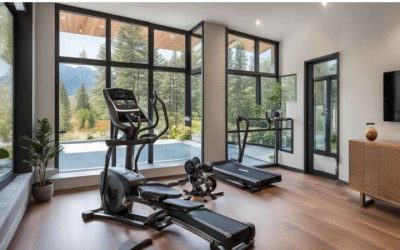
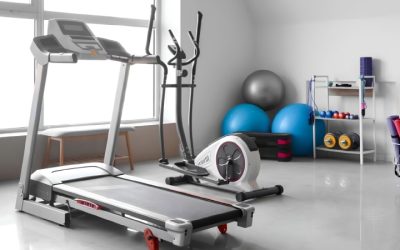
Choose a room location that can accommodate the equipment’s operating guidance and the user’s movement. Include furniture at normal working positions. An item tucked tightly behind a chair may look unobtrusive while making access unnecessarily difficult.
Think about when the space is available. If the room regularly serves another person at the same time, find a workable arrangement before buying. Equipment should support an activity opportunity the household actually has, rather than depend on an ideal schedule.
Reduce unnecessary preparation
Compare how the equipment is set up and returned to storage. A small product can still require several steps, while a larger one may remain appropriately positioned. There is no universal winner; choose the routine that fits your circumstances and follows the instructions.
Keep suitable storage nearby for items used together. Do not substitute ordinary furniture for a required exercise support or anchor. A tidy room should not depend on an arrangement that the equipment manufacturer has not intended.
Keep the room visually comfortable
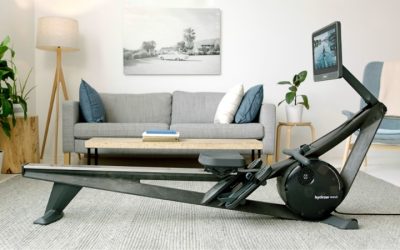
Once the practical location is settled, consider how the equipment sits alongside existing furniture. A restrained arrangement may be easier to live with than several disconnected accessories. Decorative choices can make the space pleasant without carrying claims about motivation or results.
Avoid buying additional products simply to make the corner resemble a promotional image. The activity area needs appropriate access and clear surfaces. It does not need to display a particular fitness identity to be useful.
Budget for use, not transformation
Compare the selected configuration, delivery and any necessary assembly assistance. Check subscription requirements where connected features are involved. Keep optional services separate so a trial does not obscure the cost of continued use.
Read return and support terms before ordering. If the equipment does not fit the intended user or room, resolving that mismatch matters more than defending the original purchase. No amount of enthusiastic advertising substitutes for clear ownership information.
Evaluate the purchase by what it enables
After choosing equipment, assess practical questions: can it be adjusted as needed, is the activity space available and can the care requirements be followed? These observations help identify useful changes without treating a single body measurement as proof that a product works.
Keep expectations about weight management separate from a buying guide. Equipment is a tool within a wider routine, not a targeted treatment. Choose something appropriate and manageable, with advice suited to your circumstances where needed, rather than paying for an unsupported promise about belly fat.

Additional product links
- Start 30-Day Prime Free Trial →
- See Today’s Amazon Deals
- ▸ Try Amazon Prime — free 30-day trial
- ▸ Start an Audible Premium Plus free trial
- ▸ Read free with Kindle Unlimited
Related reading
- Best workout equipment to lose belly fat
- Chris Parker
- Best Shoes for Jump Rope: 5 Picks for Concrete and Timber
- Best Shoe for Jump Rope: Forefoot Cushioning and Drop Guide
- Best Full Body Workout Equipment: 6 Machines vs Free Weights
- Best Gym Equipment for Full Body Workout: 5 Key Choices
- Best Workout Gym Equipment: 6 Heavy-Duty Picks for Home Use
- Best home pull-up bar
- Best at home pull up bar
- Best in house pull up bar
- Best rated ab roller
- Best yoga travel mat
- Best Workout Equipment to Lose Weight: 6 Low-Impact Picks
- Best Weight Loss Workout Equipment: 6 Quiet Picks Tested
- Best Workout Exercise Equipment: 6 Picks for Small Homes
- Best Workout Equipment: 6 Picks by Uses Per Square Foot
- 8 Best Home Workout Equipment Budget Guides: 6 Smart Picks
- 8 Best Workout Equipment Home Buyers Actually Use Long Terms
- 8 Best Equipment to Workout at Home: 6 Compact Picks Tested
Write Your Review
No reviews yet. Be the first to share your experience!