Our Top Picks
 HZFTJOY Large Woven Blanket Basket19.7"L x 19.7"W x 13"H(65L)19.7 x 19.7 x 13 inches3.5 poundsCheck on Amazon


The Short Answer
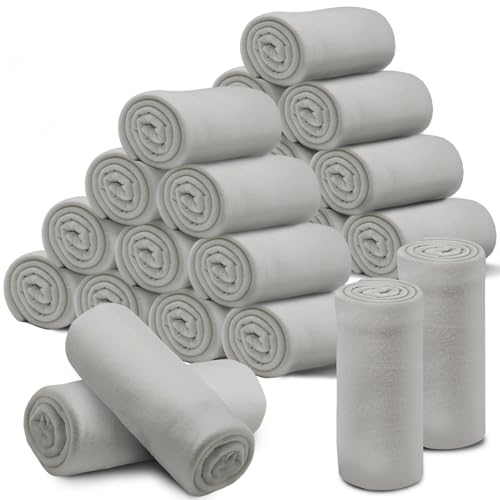
The best throw blanket depends mostly on fabric and how you use it. For everyday sofa use in most climates, a medium-weight cotton or cotton-blend throw is breathable, easy to wash and hard to get wrong. For cold evenings, a soft fleece, plush microfiber or wool-blend throw holds in more warmth. For a decorative layer that is also practical, a chunky knit or a textured woven throw adds visual depth. A standard throw is usually about 50 by 60 inches, large enough for one person on the sofa but too small to cover two people comfortably.
The guide below explains fabrics, weights, sizes and weaves, then covers care, safety, styling and the mistakes that lead to blankets that shed, pill or never get used.
In This Guide
- Throw blanket fabrics
- Fabric comparison table
- Size and weight
- Weave, knit and construction
- Which throw for which use
- Care and washing
- Safety notes
- Styling a throw
- Common mistakes
- Who should choose what
- Buying checklist
- FAQ
- Conclusion
Throw Blanket Fabrics
Cotton
Cotton is breathable, absorbent and generally gentle on skin. It suits warm rooms, year-round use and people who run hot at night. It tends to soften with washing and is usually easy to care for. Cotton throws are lighter in warmth than wool or fleece, so they are better as a light layer than as a winter blanket. Woven, waffle and muslin-style cottons each have a different feel, from crisp to airy.
Wool and wool blends
Wool is naturally insulating and manages moisture well, which is why wool throws feel warm without feeling clammy. Blends with other fibers can lower cost or improve softness. Wool needs gentler care: many are dry-clean only or hand-wash only, and some people find the texture itchy against bare skin. Wool is a strong choice for cold climates and for throws that sit over a chair rather than against the skin.
Fleece and microfiber
Fleece is a synthetic fabric known for soft pile and quick warmth. Microfiber is a related family of very fine synthetic fibers. Both are light, affordable and easy to wash. They can trap heat, which feels great on a cold night and uncomfortable in a warm room. Static, lint attraction and pilling are common with lower-quality versions, and heat from a dryer can damage the pile.
Faux fur and plush sherpa
These offer a luxurious, deep texture and look good draped over furniture. They are warm, but they can shed, mat with use, and need careful washing. Look for a firmly attached pile and a backing that does not stretch.
Acrylic and chenille
Acrylic yarns imitate wool at lower cost and are common in knit throws. Chenille has a velvety feel from a tufted yarn and is popular for soft, decorative blankets. Both can pill over time, and chenille can shed fibers on first washes.
Linen and blends
Linen gives a relaxed, slightly rumpled look, and it becomes softer over time. It is cooler than wool and works well for warm seasons. Linen throws are less plush, so they are more decor and light cover than snuggle blanket.
Bamboo-derived and other viscose fabrics
These fabrics are valued for a silky drape and a smooth feel. Quality and care vary, and they may be delicate when wet, so follow the care label closely. Marketing claims about cooling or antibacterial properties vary and are best treated cautiously unless the maker explains how the claim is supported.
Fabric Comparison Table
| Fabric | Warmth | Breathability | Softness | Care | Best for |
|---|---|---|---|---|---|
| Cotton | Light to medium | High | Medium, softens with washing | Usually machine washable | Year-round, sensitive skin |
| Wool or wool blend | High | High, manages moisture | Varies, can itch | Often delicate or dry clean | Cold rooms, chair drape |
| Fleece or microfiber | Medium to high | Low | High | Machine wash, low heat | Movie nights, budget warmth |
| Faux fur or sherpa | High | Low | Very high | Gentle wash, may shed | Decor and cold evenings |
| Acrylic or chenille knit | Medium | Medium | High | Usually washable, pills over time | Decorative, everyday |
| Linen or linen blend | Light | Very high | Medium | Washable, wrinkles | Warm climates, relaxed style |
Always check the care label on the blanket you actually receive, as individual products and fiber blends differ from the general tendencies above.
Size and Weight
Throw sizes are not tightly standardized, but most land near 50 by 60 inches. That is enough to cover a lap, a shoulder or a seated adult, and it fits neatly over the arm of a sofa. Larger throws, sometimes labeled oversized and measuring around 60 by 80 inches or more, can cover a stretched-out adult or two people leaning together. They look more generous on a sofa but need more storage.
For decorative use, the size affects the look as much as comfort. A small throw folded on the arm of a chair looks tidy. A large one draped across the back of a sectional looks relaxed. If you want it as an extra layer at the foot of a bed, a throw that reaches across most of the bed width looks intentional, whereas a small one can look lost.
Weight is the other dimension. Lightweight throws, often cotton or muslin, suit warm weather and those who do not like to feel weighed down. Medium weights fit most households. Heavy, chunky or weighted throws feel substantial and can be comforting, though they take longer to dry and are harder to wash at home. Weighted blankets are a distinct product category with their own guidance, and any weighted option should be chosen according to the manufacturer’s recommendations and, for health-related use, advice from a qualified professional.
Measure your furniture and the places the throw will live. A couch that seats three comfortably calls for either a large throw or two small ones.
Weave, Knit and Construction
The way a blanket is made affects warmth, texture, durability and cleaning.
- Woven throws use interlaced threads and tend to be flatter and more structured. They hold their shape, show patterns crisply and resist snagging better than loose knits.
- Knit throws are looped and stretchy. Fine knits drape softly, while chunky knits look dramatic but can snag on jewelry, pet claws and rough fingernails.
- Waffle and honeycomb textures trap small pockets of air for gentle warmth and also dry quickly.
- Quilted throws include a filling layer and stitched pattern. They are warmer but bulkier to store.
- Fringed and tasseled edges add decoration but may tangle in the wash. Wash them in a mesh bag or knot the tassels loosely.
- Bound or hemmed edges are more durable than raw edges, which can fray.
Look for even stitching, edges that lie flat and fibers that do not leave heavy lint when rubbed. Reviews that mention shedding after the first wash are worth taking seriously.
Which Throw for Which Use
| Use | Good fabric and build | Size and weight | Why it works | Watch for |
|---|---|---|---|---|
| Daily sofa use | Cotton, cotton blend, waffle weave | Standard throw, medium weight | Easy to wash, comfortable in most seasons | Pilling on cheap blends |
| Cold-weather snuggling | Wool blend, fleece, sherpa | Standard to oversized, medium to heavy | Traps heat | Overheating, care labels |
| Decorative drape on a chair or sofa | Chunky knit, woven, faux fur | Standard, any weight | Adds texture and color | Snags and shedding |
| Foot of the bed | Quilted, woven, heavy knit | Oversized | Spans the bed width | Storage space in summer |
| Outdoor seating | Tightly woven, synthetic blends | Standard, light to medium | Dries faster | Check for outdoor suitability, mildew |
| Homes with pets | Tight weave, smooth surfaces | Standard to oversized | Resists snags and hair | Avoid loose loops and long pile |
| Travel or car | Fleece or compact blends | Standard, light | Packs small | Keep away from direct heat sources |
Many households end up with two or three throws: one practical washable cotton or fleece for real use, and one decorative piece that rarely gets pulled from its display spot. Treating them as separate categories removes the pressure for any single blanket to be perfect.
Care and Washing
Care determines whether a throw stays soft or turns into a matted, shedding disappointment. Always follow the label on the actual product, since it overrides general advice. Still, a few habits apply widely.
- Wash before first use if the label allows. This removes manufacturing residue and loose fibers. Wash dark colors separately the first time, since dye can bleed.
- Use a gentle cycle and mild detergent. Harsh detergents and large amounts of fabric softener can reduce softness and absorbency over time, especially for microfiber.
- Use low heat, or air dry. Synthetic fibers can melt or flatten with high heat. Wool can shrink and felt. Dry on a flat surface or low tumble setting when the label permits.
- Avoid overloading. A large throw needs room to move in the washer. If it is too bulky, a laundromat machine with a bigger drum may be better.
- Protect knits and fringe. Wash in a mesh bag or pillowcase, and avoid hanging a wet knit, which stretches it out.
- Remove pilling carefully. A fabric shaver or comb designed for the purpose removes pills. Avoid pulling them off by hand, which can damage the weave.
- Spot clean when possible. A damp cloth with mild soap handles small spills on delicate fibers and avoids unnecessary full washes.
- Store clean and dry. Use a breathable bag or basket. Avoid sealed plastic for long storage of natural fibers, since trapped moisture can encourage mildew.
Frequency depends on use. A throw on a sofa that sees daily use benefits from regular washing, especially in households with pets or allergies. Decorative throws can be refreshed with a shake and a brush, or occasional washing.
Safety Notes
- Babies. Safe sleep guidance from pediatric organizations advises keeping loose blankets out of a baby’s sleep space. Throw blankets are not a substitute for appropriate infant sleepwear or sleep sacks.
- Young children and weighted options. Do not give weighted blankets to infants or toddlers, and follow manufacturer limits for older children.
- Heat sources. Keep throws away from space heaters, open flames, fireplaces and candles. Synthetic fabrics can melt and some fibers burn readily. Never drape a blanket over a heater.
- Electric or heated throws. Follow the manufacturer instructions exactly. Do not fold, bunch or tuck a heated throw while it is on, do not use it with pins, and stop using it if the cord, controller or fabric shows damage. Look for a recognized safety certification and an automatic shut-off feature.
- Allergies and sensitivities. People who are sensitive to wool or synthetic fibers should test texture against skin before relying on a blanket, and wash new items first.
- Trip hazards. Long throws that trail on the floor can be a risk for people with limited mobility. Fold them where they are used.
- Pets. Loose loops and long fringe can snag claws. Monitor pets that chew fabrics, since swallowed fibers can cause blockages.
Styling a Throw
A throw works as both a comfort item and a design accent. A few approaches look good almost anywhere:
- Drape over one arm of the sofa. Let it fall naturally rather than folding it into a stiff rectangle.
- Fold in thirds on a chair. Fold lengthwise, then drape over the back or seat edge.
- Use a basket or ladder. A woven basket or a blanket ladder keeps throws visible and within reach.
- Match or contrast. Pick a throw in the same color family as your cushions for calm, or a contrasting color to add a focal point.
- Mix textures. A chunky knit on a smooth leather sofa, or a smooth woven throw on a nubby sofa, gives variety.
- Rotate seasonally. Lighter fabrics and colors in warm months, heavier textures and deeper colors in cold ones.
Leather and delicate upholstery can show wear from rough fabrics or dyed throws, so test a new dark throw on a hidden area first, and avoid leaving it in direct contact with light-colored upholstery for long stretches.
Common Mistakes
- Buying by softness in the photo. Photos cannot show shedding or scratchiness. Read reviews for patterns.
- Ignoring the care label. A dry-clean-only throw may not suit a messy household.
- Choosing fleece for a warm room. It may be uncomfortable because it holds heat and moisture.
- Buying too small. A throw that leaves feet uncovered gets used less.
- Drying on high heat. This ruins pile and shrinks natural fibers.
- Skipping the first wash. New throws can shed lint and release dye.
- Keeping a chunky knit where pets roam. Loops catch claws.
Who Should Choose What
Warm sleepers and hot climates do best with cotton, linen or waffle weave. Cold-room dwellers should look at wool blends, fleece or sherpa. Allergy-prone households should favor easily washed, tightly woven fabrics that can be laundered often. Pet owners are better off with smooth, tight weaves. Decor-driven buyers can choose chunky knits and faux fur, supported by a more practical blanket for everyday use. Gift shoppers will find that a neutral, medium-weight, machine-washable throw is a safe bet.
Buying Checklist
- Decide whether the throw is for use, decor or both.
- Pick a fabric that matches your climate and sensitivity to heat.
- Check the listed dimensions, not only the size label.
- Read the care instructions and make sure you can follow them.
- Look for reviews that mention shedding, pilling and color accuracy.
- Choose a weave that suits your pets and household.
- Check seams, edges and fringe for durability.
- Confirm any safety certification and shut-off features on heated throws.
- Plan where the throw will be stored or displayed.
- Review the return policy.
Frequently Asked Questions
What size is a standard throw blanket?
Most are around 50 by 60 inches, although sizes vary by maker. Oversized throws run larger and suit stretching out or sharing.
What is the softest throw blanket fabric?
Fleece, microfiber, sherpa and chenille tend to feel the softest on first touch. Cotton and linen soften with washing. Softness is partly personal preference, so check how a fabric feels against your skin.
Which fabric is warmest?
Wool, sherpa and thick fleece generally hold the most heat. Quilted and heavy knit constructions also add warmth, while cotton and linen are lighter.
How often should I wash a throw blanket?
A frequently used throw can be washed every few weeks to monthly, more often if you have pets, allergies or spills. Decorative throws need less frequent washing. Follow the label.
Why does my blanket shed or pill?
Loose fibers shed from many new blankets, especially chenille, faux fur and some knits, and usually settle after a few washes. Pilling comes from friction on short fibers and is common in acrylic and blends. A fabric shaver helps.
Can I use a throw blanket outdoors?
Yes, with caution. Choose tightly woven or synthetic blends that dry quickly, and avoid leaving natural fibers damp, which can mildew. Bring them in when not in use.
Are throw blankets safe for babies?
Loose blankets should be kept out of a baby’s sleep area, following safe sleep guidance from pediatric organizations. Ask a pediatric professional for advice on suitable options.
How do I keep a throw looking tidy?
Fold it loosely over the arm or back of a seat, store it in a basket, and shake it out regularly. Wash according to the label and avoid high-heat drying.
Conclusion
A good throw blanket is a small purchase that gets daily use, so it pays to be specific about what you want from it. Choose the fabric for your climate and skin, a size that really covers you, and a build that can survive your washing routine and household. Keep safety in mind around heat sources, infants and pets, and keep one practical blanket for real life alongside a decorative one for show. If you match the blanket to the way you use it, it will look better and get used far more often than a throw chosen on appearance alone.
To compare options, start with these searches: cotton throw blankets, fleece throw blankets, chunky knit throws, and blanket storage baskets.
As an Amazon Associate we earn from qualifying purchases. This means we may earn a commission if you buy through links on this page, at no extra cost to you.
More from Amazon
Programs that pair well with the guide above. Offers and eligibility are set by Amazon and may change.
Collect the home and kitchen items you want in one registry that guests can shop from.
Create a wedding registrySet up recurring deliveries of everyday items on eligible products. Terms and savings are set by Amazon.
Explore Subscribe & SaveFree shipping on eligible items, Prime Video and more. Eligible new members can start with a free trial.
Start a Prime free trialAudiobooks and podcasts to listen to on the go. Eligible new members can start with a free trial.
Try Audible freeAs an Amazon Associate we earn from qualifying purchases.