Key takeaways
- Material composition: Felt-only pads add acoustic dampening but rely on friction for grip. Felt-rubber hybrids and silicone-backed options lock the rug down more aggressively — a real advantage on slick laminate surfaces where even a slight lateral nudge becomes noticeable over time.
- Thickness vs. door clearance: A quarter-inch pad (the sweet spot in this guide) raises your rug just enough to cushion without jamming doors or creating a trip edge. Anything over ⅜ inch starts to feel wobbly underfoot on laminate, which flexes more than concrete.
- Moisture and finish safety: Never use a pad containing adhesives or sprays on laminate. The volatile compounds can cloud the protective wear layer. Look for pads that specify “safe for all floors” and avoid anything marketed exclusively for carpet-to-carpet use.
- Rug size matching: The pad should sit 1–2 inches inside the rug’s perimeter on all sides. An oversized pad peeking beyond the rug edge catches light at odd angles and collects dust along the exposed felt line.
- Vibration transfer reduction: In open-plan rooms or upper-floor apartments, a dense pad decouples footfall from the laminate substrate, cutting impact noise for the room below — a factor often overlooked but significant in multi-story homes.
What's inside
Laminate flooring photographs beautifully in daylight, but anyone who lives with it knows the quiet frustration: area rugs creeping toward the door, cold slaps underfoot in the morning, and that hollow drum-sound each time a heel strikes. A wrong pad can yellow the finish, trap moisture against the core, or slide around with the rug on top of it — defeating the purpose entirely. From a room-composition standpoint, the pad is invisible infrastructure, yet it dictates comfort, acoustic warmth, and how settled a space feels at ground level.
This 2026 roundup evaluates six leading rug pads through the lens of what actually matters for laminate: moisture-safe materials, non-marking grip, and a cushion profile that dampens sound without creating a marshy bounce underfoot. Each recommendation below was assessed for compatibility with floating-plank installations, and every product listed is explicitly rated safe for laminate and hardwood finishes.
As an Amazon Associate we earn from qualifying purchases.


🛒 Best Price Today on Amazon
Prime members get fast, free shipping on everything above, plus member-only deals. New members get a 30-day free trial — cancel anytime.
How to Choose a Rug Pad For Laminate Floor (2026)
- Material composition: Felt-only pads add acoustic dampening but rely on friction for grip. Felt-rubber hybrids and silicone-backed options lock the rug down more aggressively — a real advantage on slick laminate surfaces where even a slight lateral nudge becomes noticeable over time.
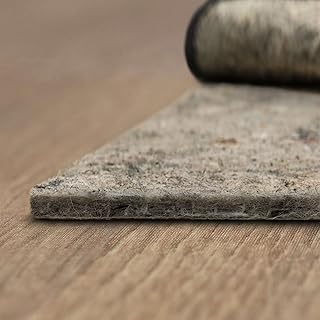
- Thickness vs. door clearance: A quarter-inch pad (the sweet spot in this guide) raises your rug just enough to cushion without jamming doors or creating a trip edge. Anything over ⅜ inch starts to feel wobbly underfoot on laminate, which flexes more than concrete.
- Moisture and finish safety: Never use a pad containing adhesives or sprays on laminate. The volatile compounds can cloud the protective wear layer. Look for pads that specify “safe for all floors” and avoid anything marketed exclusively for carpet-to-carpet use.
- Rug size matching: The pad should sit 1–2 inches inside the rug’s perimeter on all sides. An oversized pad peeking beyond the rug edge catches light at odd angles and collects dust along the exposed felt line.
- Vibration transfer reduction: In open-plan rooms or upper-floor apartments, a dense pad decouples footfall from the laminate substrate, cutting impact noise for the room below — a factor often overlooked but significant in multi-story homes.
The Best Rug Pad For Laminate Floor (2026)s Reviewed
RUGPADUSA Dual Surface
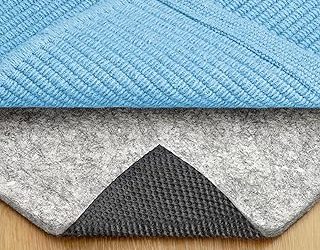
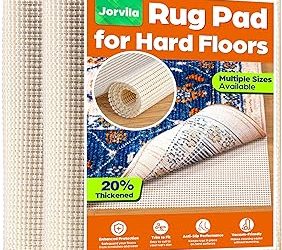
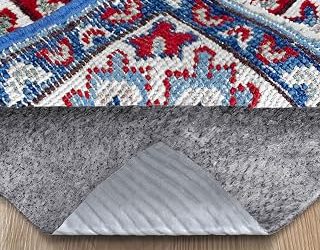
Combining felt with a rubber backing, this pad delivers the strongest lateral grip in the group while adding genuine acoustic deadening beneath the rug. It is the most reliable choice for high-traffic laminate zones — entryways, hallways, under dining tables — where chair legs and constant footfall push lesser pads out of position.
Mohawk Home Non Slip Felt + Latex
Mohawk’s latex-rubber gripper does double duty beautifully: it grips laminate from below and provides a firm-yet-supple cushion that prevents rug fibers from matting. Domestic manufacturing and consistent thickness make this a dependable pick for large living areas where uniform feel across the room matters.
Veken Cushioned Rug Pad Gripper
The silicone-felt construction here adds an almost springy liveliness underfoot that softens the rigid click of laminate in quieter rooms like bedrooms and studies. The included anti-slip strip kit is a thoughtful touch for anyone anchoring a runner where standard pad width falls short.
RUGPADUSA Basics Felt
Pure felt, no rubber — and that is exactly the point. In rooms where the rug already sits against furniture on multiple sides, the Basics provides cushion and floor protection without excess grip that makes repositioning a wrestling match. It is the least aggressive option, and in the right setting that is a virtue.
Mohawk Home Felt Rug Pad
This all-felt underlay excels in areas where thermal comfort and sound absorption outperform grip as the priority — think bedrooms and reading nooks. It adds a quiet, cushioned warmth that shifts the entire sensory profile of a laminate room from sterile to inviting, particularly in lower-light evening settings.
Frequently Asked Questions
Can I use a rug pad on laminate flooring without voiding the warranty?
Most laminate manufacturers permit felt or rubber-backed pads that are explicitly labeled floor-safe. Avoid pads with chemical adhesives, as these can react with the laminate wear layer and potentially void coverage. Always confirm your flooring brand’s care guidelines.
How thick should a rug pad be for laminate floors?
Quarter-inch is the recommended standard. It provides adequate cushion and noise reduction without adding excessive height that could destabilize the rug or interfere with door clearance. Thicker pads can create a bouncy, unstable feel on floating planks.
Do felt-only pads work on smooth laminate?
Felt-only pads can work in low-traffic areas where the rug is held in place by furniture weight. However, on open laminate surfaces with no opposing friction, felt alone may allow gradual rug migration. For open floors, a felt-rubber or felt-silicone hybrid offers better results.
How often should I replace a rug pad under laminate?
A quality pad lasts five to eight years before compression noticeably reduces its cushion and grip. If your rug begins shifting again or feels noticeably thinner, the pad has likely reached the end of its functional life.
Final Thoughts
For most laminate floors, the RUGPADUSA Dual Surface stands out as the strongest all-around performer — its rubber-and-felt combination handles traffic, dampens sound, and grips without chemicals. In quieter spaces where warmth and acoustics matter more than lockdown, the Mohawk Home Felt Rug Pad delivers a refined, cushioned foundation that transforms how the room feels underfoot.