Key takeaways
- Thickness with intent: Two to three inches adjusts the surface feel of a mattress that is basically sound. Four to five inches is corrective work, meant for a bed that has developed a dip or is simply too rigid. Going thick on an already soft mattress usually makes sinkage worse, not better.
- Support before softness: Back relief comes from keeping the lumbar curve neutral, which means the foam has to push back. Look for medium support or dual-layer builds where a denser foam base sits beneath a plush top, rather than a single soft slab that bottoms out under the hips.
- Heat management: Memory foam traps warmth by nature. Gel infusion, open-cell structures, and breathable covers such as rayon derived from bamboo all reduce that build-up. If you run hot, treat this as a primary spec, not a bonus feature.
- How it stays put: Thick toppers travel overnight without help. Four-way elastic straps or a deep-pocket fitted skirt rated for tall mattresses keep the layer aligned, and alignment is the entire point.
- Certification and off-gassing: CertiPUR-US certified foam confirms limits on emissions and heavy metals. Expect a mild odor for the first two or three days regardless, and give any new topper 48 hours to fully expand before judging its firmness.
What's inside
Anyone who has spent years shaping how a room feels knows that comfort is layered. You dim the overheads, warm the color temperature, soften the corners with a lamp instead of a ceiling fixture, and the whole space exhales. A bedroom can pass every one of those tests and still fail the moment you lie down, because the surface underneath you is doing something your lighting scheme cannot fix. Back pain at 3 a.m. is not an ambience problem, but it undoes ambience completely. A mattress that has gone flat in the hips, or one that arrived too firm and stayed that way, keeps the spine bent in a shape it never agreed to.
Replacing a mattress is a large, expensive decision. A topper is the equivalent of swapping a harsh bulb for a warm diffused one: a small intervention with an outsized effect on how the room actually functions. This guide covers what to look for in a memory foam topper specifically for back pain in 2026, including thickness, density, cooling construction, and how each option changes the feel of the bed you already own. Below are the models worth considering, followed by honest notes on who each one suits.
As an Amazon Associate we earn from qualifying purchases.


🛒 Best Price Today on Amazon
Prime members get fast, free shipping on everything above, plus member-only deals. New members get a 30-day free trial — cancel anytime.
How to Choose a/an Memory Foam Mattress Topper For Back Pain (2026)
- Thickness with intent: Two to three inches adjusts the surface feel of a mattress that is basically sound. Four to five inches is corrective work, meant for a bed that has developed a dip or is simply too rigid. Going thick on an already soft mattress usually makes sinkage worse, not better.
- Support before softness: Back relief comes from keeping the lumbar curve neutral, which means the foam has to push back. Look for medium support or dual-layer builds where a denser foam base sits beneath a plush top, rather than a single soft slab that bottoms out under the hips.
- Heat management: Memory foam traps warmth by nature. Gel infusion, open-cell structures, and breathable covers such as rayon derived from bamboo all reduce that build-up. If you run hot, treat this as a primary spec, not a bonus feature.
- How it stays put: Thick toppers travel overnight without help. Four-way elastic straps or a deep-pocket fitted skirt rated for tall mattresses keep the layer aligned, and alignment is the entire point.
- Certification and off-gassing: CertiPUR-US certified foam confirms limits on emissions and heavy metals. Expect a mild odor for the first two or three days regardless, and give any new topper 48 hours to fully expand before judging its firmness.
The Best Memory Foam Mattress Topper For Back Pain (2026)s Reviewed
WhatsBedding 5 Inch Memory Foam Topper, Queen
At five inches with a soft breathable fill above the foam, this is the most transformative option here for a mattress that has clearly lost its shape. The pillow-top surface reads plush at first contact while the underlying structure holds the lower back level, which is a difficult balance to strike at this depth.
Niagara Sleep Solution Ultra Soft & Cooling Topper, Queen
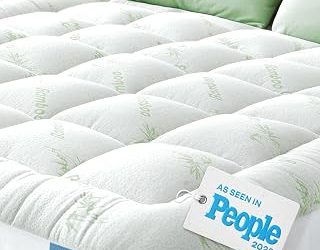
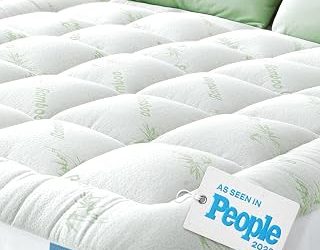
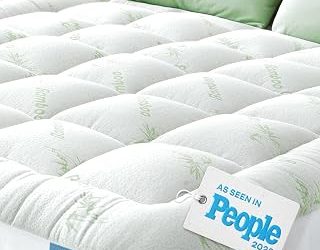
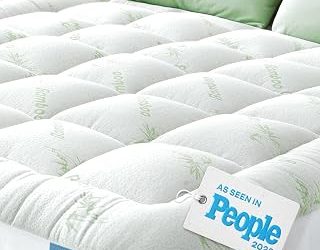
The bamboo-derived rayon cover and 20-inch deep pocket make this the cleanest install of the group, and it stays notably cooler through the night than conventional foam. Choose it if your mattress support is adequate and the issue is surface pressure rather than sag.
MASVIS King Dual Layer 4 Inch Topper
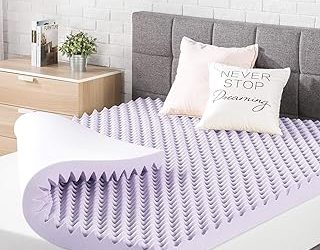
The two-inch gel foam base paired with a two-inch cooling pillow top is exactly the layered construction that works for back pain: firm underneath, forgiving on top. Medium support suits back and combination sleepers who want cushioning without losing the sense of a floor beneath them.
WhatsBedding 4 Inch Gel Memory Foam Topper, King
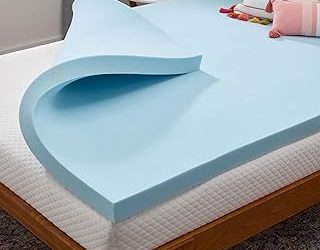
A more measured take on the brand’s thicker model, with breathable gel foam that runs cooler and a pillow top that adds contour without excessive give. Well suited to a firm mattress that needs softening while keeping spinal alignment intact.
SHOUREN 5 Inch Gel Memory Foam Topper, Queen
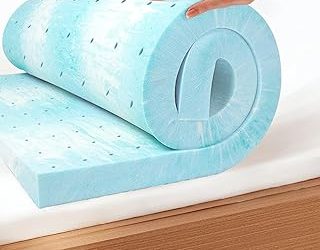
Deep body contouring with genuine pressure relief, and the four-way straps solve the shifting problem that plagues thick toppers. Side sleepers with hip and lower back discomfort will feel the difference within a week.
Frequently Asked Questions
Will a topper fix a sagging mattress?
It masks a shallow dip and can meaningfully reduce pain, but it cannot rebuild failed support. If you can see a visible trough or feel the springs, a four to five inch topper buys time rather than a permanent solution.
Is softer better for back pain?
Rarely. Excessive softness lets the pelvis drop and the spine twist. Medium support that cushions pressure points while holding alignment is the more reliable target.
How long before I feel a difference?
Give it two to four weeks. Your body has adapted to the old surface, and a brief adjustment period with mild stiffness is normal before the improvement settles in.
Can I use my existing sheets?
With a three-inch topper, usually yes. Anything four inches or deeper generally requires sheets with an 18-inch pocket or more.
Final Thoughts
For a tired mattress that needs real correction, the WhatsBedding 5 Inch Queen delivers the most substantial change, while the MASVIS Dual Layer King offers the smartest support-to-comfort structure for anyone who wants relief without sinking. If heat is your main complaint, the Niagara Sleep Solution cooling topper handles temperature better than anything else on this list.