Key takeaways
- Aim for medium-firm as your baseline: Clinical consensus and most sciatica sufferers land in the medium-firm range. Extra firm is a targeted choice for heavier bodies and dedicated back sleepers, not a default — a surface too rigid leaves the lumbar curve unsupported and loads the sacrum.
- Look for zoned or reinforced lumbar and hip support: Uniform foam treats your midsection like your calves. Models that advertise 7-zone construction or dedicated lumbar and hip reinforcement place firmer coils or higher-density foam exactly where sciatic compression originates.
- Hybrid over all-foam if you change position often: Pocketed coils respond faster than memory foam, so rolling from side to back doesn’t require pushing out of a depression. That matters when pain wakes you and you need to reposition without fully rousing.
- Match thickness to your sleeping weight: Twelve inches suits most adults. Fourteen inches gives heavier sleepers more compression depth before they reach the firm base layer — the equivalent of headroom in a dimming range.
- Insist on a real trial window and clean certifications: Sciatica takes weeks to report back honestly. A 365-night trial is the standard now, and CertiPUR-US plus fiberglass-free construction should be non-negotiable.
What's inside
I spend my working hours specifying dimming curves, color temperatures, and the slow fade that tells a nervous system the day is finished. In bedroom after bedroom, I have watched clients install perfect 2200K bedside sconces, blackout layers, and warm indirect cove light — then lie awake anyway, shifting every twenty minutes because a nerve running down one leg refuses to be soothed by good design. Sciatica is the one variable no lighting scheme can compensate for. If the surface under the hip is wrong, the whole room’s atmosphere collapses.
The debate buyers get stuck on is firm versus soft, framed as though it were a single dial. It isn’t. What sciatic pain responds to is a surface that keeps the lumbar spine neutral while still letting the hip and shoulder sink to their natural depth — support and give doing two different jobs at once, the way a room needs both a bright task layer and a low ambient one. This guide covers what that actually means in a mattress spec, which construction types deliver it, and six queen models worth your attention in 2026.
As an Amazon Associate we earn from qualifying purchases.


🛒 Best Price Today on Amazon
Prime members get fast, free shipping on everything above, plus member-only deals. New members get a 30-day free trial — cancel anytime.
How to Choose a Mattress For Sciatica Firm Or Soft (2026)
- Aim for medium-firm as your baseline: Clinical consensus and most sciatica sufferers land in the medium-firm range. Extra firm is a targeted choice for heavier bodies and dedicated back sleepers, not a default — a surface too rigid leaves the lumbar curve unsupported and loads the sacrum.
- Look for zoned or reinforced lumbar and hip support: Uniform foam treats your midsection like your calves. Models that advertise 7-zone construction or dedicated lumbar and hip reinforcement place firmer coils or higher-density foam exactly where sciatic compression originates.
- Hybrid over all-foam if you change position often: Pocketed coils respond faster than memory foam, so rolling from side to back doesn’t require pushing out of a depression. That matters when pain wakes you and you need to reposition without fully rousing.
- Match thickness to your sleeping weight: Twelve inches suits most adults. Fourteen inches gives heavier sleepers more compression depth before they reach the firm base layer — the equivalent of headroom in a dimming range.
- Insist on a real trial window and clean certifications: Sciatica takes weeks to report back honestly. A 365-night trial is the standard now, and CertiPUR-US plus fiberglass-free construction should be non-negotiable.
The Best Mattress For Sciatica Firm Or Soft (2026)s Reviewed
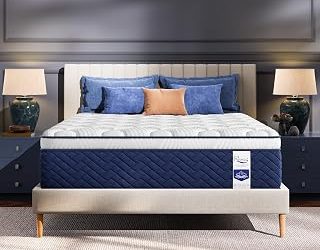
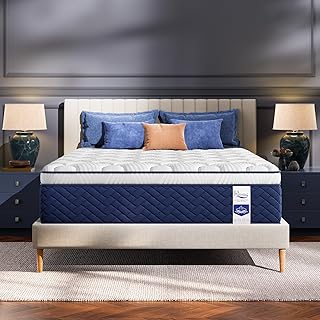
Medium Firm 14 Inch Hotel Collection 7-Zone Hybrid
The strongest all-around pick here: zoned coil support targets the lumbar and hip regions specifically, while the 14-inch build gives enough cushioning depth that shoulders and hips settle without the spine twisting. This is the balance point most sciatica sufferers are actually looking for when they ask about firm versus soft.
PUBPLON Medium Firm 12 Inch Hybrid
Gel memory foam over pocketed coils with extra lumbar and shoulder reinforcement, tuned to medium firm rather than punishingly rigid. A sensible choice for side and combination sleepers whose pain flares when the shoulder cannot drop.
SLEEP100 14″ Extra Firm Memory Foam
An unapologetically firm all-foam build with gel-infused ventilated layers, aimed at back sleepers and heavier bodies who sink through softer mattresses into misalignment. Motion transfer is minimal, though the slower response means repositioning takes more effort than a hybrid.
12 Inch Firm Hybrid with Lumbar Hip Support
Purpose-built for back sleeping, with reinforced support through the lower back and hips where sciatic pressure concentrates. Fiberglass-free, CertiPUR-US certified, and backed by a full year of nights to judge it properly.
Queen 12 Inch Extra Firm Luxury Hybrid
The firmest of the 12-inch hybrids on this list, pairing a substantial coil unit with modest comfort layers for sleepers who want minimal sink and maximum lumbar lift. Worth trying if medium-firm has consistently felt too yielding under your hips.
Frequently Asked Questions
Is a firm or soft mattress better for sciatica?
Medium-firm suits most people. It holds the lumbar spine neutral while allowing the hip and shoulder enough give to avoid pressure points. Genuinely soft mattresses let the pelvis drop and rotate, which aggravates nerve compression.
How long before I know if a mattress is helping?
Give it three to four weeks minimum. Your body adapts to a new support profile, and early stiffness is common even on the right mattress. This is precisely why the 365-night trials matter.
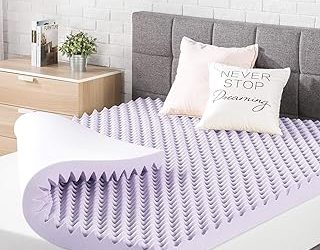
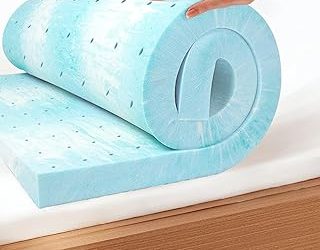
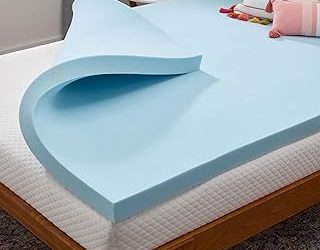
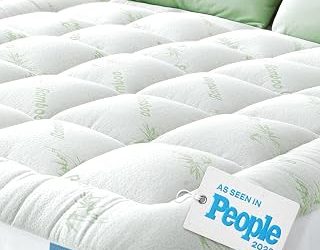
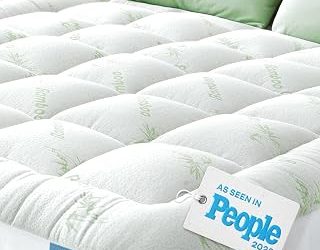
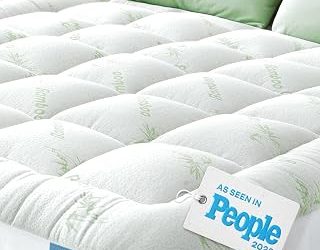
Does a mattress topper fix a bad mattress for sciatica?
A topper adjusts surface feel, not underlying support. If your mattress sags at the hips, adding softness on top makes it worse. Replace the base, then refine with a topper if needed.
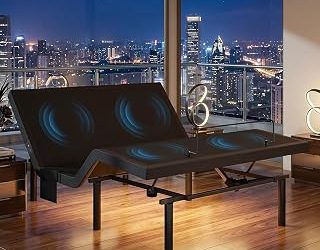
Do I need a specific base or foundation?
Yes — hybrids and foam mattresses need firm, evenly spaced slats, generally under three inches apart, or a solid platform. A flexing foundation quietly undoes every support feature you paid for.
Final Thoughts
If you want one recommendation, take the Medium Firm 14 Inch Hotel Collection 7-Zone Hybrid — zoned lumbar and hip support plus enough depth to keep the spine level is the most reliable combination for sciatic pain. The PUBPLON Medium Firm 12 Inch Hybrid is the better call for side and combination sleepers, and the SLEEP100 14″ Extra Firm belongs to back sleepers and heavier bodies who need the spine held flat. Get the surface right first; then let the light do its part.