Key takeaways
- Leaf density and shade quality: Pinnate, fine-textured foliage like wisteria scatters sunlight into moving dappled patterns. Broad, glossy leaves such as mandevilla block more light outright, producing cooler, flatter shade. Decide whether you want movement or coverage before you buy.
- Growth speed versus structural load: Wisteria will cover a standard 10×12 pergola within three to four seasons, but mature stems can twist and lift under-built rafters. Confirm your beams are at least 2×8 and bolted, not screwed, if you plant a vigorous twiner.
- Bloom reflectance under artificial light: White and pale lilac flowers bounce warm 2700K light back down into the seating area, effectively acting as diffuse reflectors. Deep reds and magentas absorb it and read almost black after sunset unless you add a dedicated accent fixture.
- Hardiness zone and overwintering plan: Wisteria and jasmine hold their framework through cold winters in most temperate zones. Mandevilla is a zone 9–11 plant, so treat it as a seasonal or container performer you can move indoors.
- Scent throw at seated height: Fragrance concentrates in still evening air roughly a metre below the canopy. Jasmine and wisteria both release most strongly at dusk, which is precisely when you switch the lights on.
What's inside
Most pergolas fail at the same hour. Between four and seven in the evening, when the sun drops low enough to slide sideways under the beams, the structure stops shading anything and starts glaring. Homeowners buy the frame, add cushions, hang a few bulbs, and then wonder why nobody lingers out there. The missing element is a canopy with texture. Bare rafters throw hard, parallel stripes across a table. A living roof breaks that light into thousands of soft-edged fragments, and the whole space reads warmer, deeper, and considerably more expensive than it did the week before.
This guide looks at climbing plants purely through the lens of light behavior: how each vine filters daylight, how its foliage density affects shadow quality, and how its blooms respond to low-voltage fixtures after dark. I have specified planting alongside lighting plans for outdoor rooms for years, and the plants below are the ones that consistently do the optical work. You will find fast-establishing wisteria for structural drama, mandevilla for container-scale color, and jasmine for evening scent layered into a warm-white wash.
As an Amazon Associate we earn from qualifying purchases.




🛒 Best Price Today on Amazon
Prime members get fast, free shipping on everything above, plus member-only deals. New members get a 30-day free trial — cancel anytime.
How to Choose a Climbing Plants For A Pergola (2026)
- Leaf density and shade quality: Pinnate, fine-textured foliage like wisteria scatters sunlight into moving dappled patterns. Broad, glossy leaves such as mandevilla block more light outright, producing cooler, flatter shade. Decide whether you want movement or coverage before you buy.
- Growth speed versus structural load: Wisteria will cover a standard 10×12 pergola within three to four seasons, but mature stems can twist and lift under-built rafters. Confirm your beams are at least 2×8 and bolted, not screwed, if you plant a vigorous twiner.
- Bloom reflectance under artificial light: White and pale lilac flowers bounce warm 2700K light back down into the seating area, effectively acting as diffuse reflectors. Deep reds and magentas absorb it and read almost black after sunset unless you add a dedicated accent fixture.
- Hardiness zone and overwintering plan: Wisteria and jasmine hold their framework through cold winters in most temperate zones. Mandevilla is a zone 9–11 plant, so treat it as a seasonal or container performer you can move indoors.
- Scent throw at seated height: Fragrance concentrates in still evening air roughly a metre below the canopy. Jasmine and wisteria both release most strongly at dusk, which is precisely when you switch the lights on.
The Best Climbing Plants For A Pergola (2026)s Reviewed
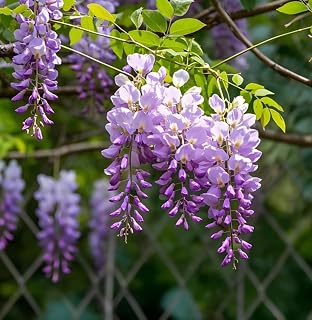
3 Wisteria Live Plants, 1–2 Ft (Wisteria Floribunda)
The three-plant set is the right quantity for a full pergola run: one vine per post on a standard four-post structure, with the fourth corner left open for access. Japanese wisteria’s compound leaves are the single best natural light diffuser I have worked with, and the pendulous racemes hang directly into your sightline where uplighting can catch them from below.
Blue Wisteria Live Plant, 2.5″ Pot
A smaller starter format that suits patient gardeners and tighter corner plantings. The blue-lilac flowers sit in a colour range that behaves unusually well under warm LED, shifting toward silvery mauve rather than muddying the way pink cultivars often do.
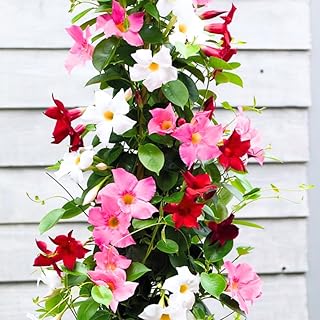
3 Mixed Mandevilla Live Plants
Where wisteria is architecture, mandevilla is accent lighting made from plant matter. Its saturated trumpet blooms and lacquered leaves catch a single narrow-beam spotlight beautifully, and because these arrive small and container-friendly, they are ideal for wrapping the two posts nearest the seating group in zones 9 through 11.
410 Climbing Jasmine Seeds
The cheapest route to an evergreen side screen, and the one I recommend when the problem is low western sun rather than overhead glare. Sow along a trellis panel on the exposed flank; the fine white flowers double as reflectors and deliver the strongest scent exactly at cocktail hour.
2 Wisteria Live Plants, 1–2 Ft
The two-plant pack is the sensible choice for a smaller pergola, a lean-to canopy, or a pair of feature posts flanking an entry. Same vigorous Wisteria floribunda genetics, less risk of overcrowding a compact frame.
Frequently Asked Questions
How long before a pergola looks properly covered?
Wisteria typically gives usable shade in year three and full coverage by year four or five with annual pruning. Jasmine from seed runs a season behind that. Mandevilla fills a post within one summer but resets each year in cold climates.
Can I run string lights through a living canopy?
Yes, but fix them to the timber, never to the vine. Stems thicken and will crush cable over a season or two. Leave a 50mm air gap and use warm-white bulbs at low output so foliage silhouettes rather than glares.
Will vines damage the pergola?
Twining vines like wisteria and jasmine wrap rather than cling, so they do not damage paint the way self-adhering climbers do. The real risk is mechanical: mature wisteria exerts genuine force, so keep it off gutters and undersized rails.
How much sun do these need?
All three want six or more hours of direct light to flower well. Plant on the sunny side of the structure and train growth up and over toward the shaded seating zone.
Final Thoughts
For most pergolas, the 3 Wisteria Live Plants set is the strongest single investment: it delivers the dappled, moving shadow quality that makes an outdoor room feel designed rather than assembled. Pair it with 410 Climbing Jasmine Seeds along whichever flank catches low evening sun, and if you garden in zone 9 or warmer, add the 3 Mixed Mandevilla plants near the seating for colour that holds up under a single well-aimed spotlight.