Key takeaways
- Lumen output vs. beam spread: A raw number like “21,000 lumens” means little without context. Look at how wide the beam throws — a 3,500-lumen flood covering 180 degrees often outperforms a narrow 6,000-lumen hotspot in actual task illumination.
- Color temperature range: Fixed 6500K panels feel clinical. Lights offering a switchable range (4000K–6500K) let you judge paint tones and wood grain under neutral-to-cool light, which matters more than most buyers expect.
- Battery chemistry and capacity: Lithium-ion packs in the 5,000–8,000 mAh range deliver consistent brightness through most of their discharge cycle. AA-powered options trade runtime for convenience and zero-charge-readiness.
- Mechanical versatility: Magnetic mounts, telescoping stands, and remote controls aren’t luxuries — they free both your hands. Evaluate how quickly the light transitions between floor-standing, hanging, and surface-attached modes.
- Weather and impact resistance: An IP66 rating means serious dust and rain protection for outdoor staging or garage work. Anything IP44 or lower belongs strictly indoors.
What's inside
Picking a battery-powered work light sounds straightforward until you realize the category is a minefield of inflated lumen claims, batteries that die mid-project, and tripods that buckle under their own weight. Whether you’re detailing a living room built-in or staging a dining nook in a space with zero overhead wiring, the right portable light changes everything.
I’ve spent years specifying lighting for residential and studio environments, and the portable work-light segment has gotten genuinely interesting. This guide covers six standouts across budget, output, and form factor — with a focus on color accuracy, battery endurance, and real-world usability rather than spec-sheet bragging rights.
As an Amazon Associate we earn from qualifying purchases at no extra cost to you. Product prices and availability are accurate as of the date shown and are subject to change.



🛒 Best Price Today on Amazon
Prime members get fast, free shipping on everything above, plus member-only deals. New members get a 30-day free trial — cancel anytime.
How to Choose a Battery Powered Work Light (2026)
- Lumen output vs. beam spread: A raw number like “21,000 lumens” means little without context. Look at how wide the beam throws — a 3,500-lumen flood covering 180 degrees often outperforms a narrow 6,000-lumen hotspot in actual task illumination.
- Color temperature range: Fixed 6500K panels feel clinical. Lights offering a switchable range (4000K–6500K) let you judge paint tones and wood grain under neutral-to-cool light, which matters more than most buyers expect.
- Battery chemistry and capacity: Lithium-ion packs in the 5,000–8,000 mAh range deliver consistent brightness through most of their discharge cycle. AA-powered options trade runtime for convenience and zero-charge-readiness.
- Mechanical versatility: Magnetic mounts, telescoping stands, and remote controls aren’t luxuries — they free both your hands. Evaluate how quickly the light transitions between floor-standing, hanging, and surface-attached modes.
- Weather and impact resistance: An IP66 rating means serious dust and rain protection for outdoor staging or garage work. Anything IP44 or lower belongs strictly indoors.
The Best Battery Powered Work Light (2026)s Reviewed
GoGonova Rechargeable Triple LED Work Light
Eight amp-hours of battery behind three independently switchable LED modules give this unit a depth of control most panel lights lack. The 4000K/6500K dual-temperature output is a genuine advantage when you’re matching finishes to adjacent rooms rather than working in a vacuum of blue-white glare. The detachable tripod stows flat for transport.
LETOUR Magnetic LED Tube Light
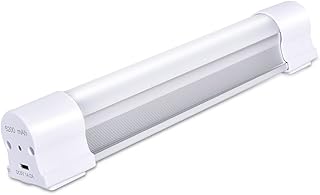
The tubular form factor is underrated in a category dominated by boxy panels. LETOUR’s stick-style body distributes light along its length, reducing harsh shadows on vertical surfaces — ideal for inspecting cabinet faces or upholstery seams. Sixty hours of endurance at lower settings and dual magnets make it a grab-and-go problem-solver.
LUTEC 3500LM Rechargeable Magnetic Work Light
At 3,500 lumens with a 5000K neutral-white output, the LUTEC sits in a sweet spot: bright enough for automotive detail work yet not so overpowering that it washes out surface textures. Three distinct modes let you dial from task to ambient, and the integrated handle doubles as a hanging hook.
21000Lumens Heavy-Duty Tripod Work Light
This is the brute-force option, and it earns its size. Three independently angled heads with individual switches let you sculpt coverage across a two-car garage without moving the tripod. IP66 sealing means rain isn’t a conversation — it just keeps working. The weight is a trade-off, but stability follows.
Tresda Rechargeable Telescopic Camping Light
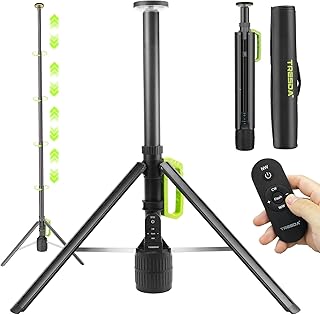
Extending to 8.4 feet on its tripod, the Tresda places light where almost nothing else in this class can reach — overhead and angled downward, mimicking a ceiling fixture. A remote control and three color temperatures make it the closest thing to a temporary architectural light source for outdoor gatherings or emergency coverage.
Frequently Asked Questions
Can I use these lights for permanent workshop lighting?
They’re designed for portability, not continuous operation. Running any battery-powered light for eight-plus hours daily will degrade the cells faster. For permanent installations, consider hardwired LED shop lights instead and keep a rechargeable unit on hand as a backup.
How long does a typical battery charge last?
Expect two to six hours at maximum brightness depending on battery capacity, with some tube-style lights like the LETOUR stretching to sixty hours at their lowest setting. Always check mAh ratings — higher capacity correlates directly with endurance under load.
Are higher lumens always better?
No. Context determines value. A 3,500-lumen flood at 5000K gives you cleaner color rendering for furniture work than a 21,000-lumen spike of uncontrolled brightness. Match output to the space and the task.
Do magnetic mounts damage painted surfaces?
Strong neodymium magnets can mar fresh paint or delicate finishes if slapped on carelessly. Use a microfiber cloth as a buffer, or look for units with rubberized magnet housings that distribute pressure more evenly.
Final Thoughts
For most home and furniture projects, the GoGonova Triple LED offers the best balance of output, color flexibility, and runtime. The Tresda Telescopic earns a strong recommendation when overhead positioning matters, and the Sunzone 2-Pack punches above its price if you just need reliable flood coverage without a tripod commitment. Pair any of these with your existing workspace and you’ll wonder how you tolerated shadows before.