Our Top Picks
 FUTUREPLUSX 1 LB Mixed Blue Glass Beads16 Ounces(Pack of )7.01 x 4.69 x 0.79 inches1 poundsCheck on Amazon
 Homemory 12Pcs Flickering Flameless Candle Battery OperatedPack of 121.3 x 1.3 x 1.4 inches0.3 PoundsCheck on Amazon


The short answer: the best vase fillers are the ones that suit your vase, your stems and your tolerance for upkeep. For fresh flowers in a clear vase, choose clean, washable fillers such as smooth stones, glass pieces or marbles that hold stems upright and let the water stay visible. For faux stems, bulkier textured fillers such as faux snow, natural wood pieces, dried moss or decorative spheres look good and keep stems steady. For an empty vase that you want to look full, lightweight branches or reeds do the job. Match the color and weight of the filler to the vase, and check that it is safe for the people and pets in your home.
This guide does not rank products. It explains the main filler types, what each is good at, how to arrange them and what to check before you buy. Use it to narrow your search, then compare current listings against your own vase and stems.
Contents
- Why fill a vase at all
- The main types of vase fillers
- Matching a filler to your vase and stems
- How to arrange fillers well
- Seasonal and style ideas
- Cleaning and care
- Safety considerations
- Common mistakes to avoid
- Buyer checklist
- Frequently asked questions
- Bottom line
Why Fill a Vase at All
An empty vase can look elegant on its own, but a filled one almost always looks more finished. Fillers do three practical things. They anchor stems so they stand where you put them instead of leaning against the rim. They hide the bare ends of stems and the mechanics of the arrangement, which matters most in clear glass. And they add color, texture or sparkle at the base of the display, where the eye naturally lands.
Fillers are also useful when there are no flowers at all. A tall cylinder holding pebbles and a few branches can sit on a shelf for months with no care. A wide bowl of decorative spheres gives a console table some presence. In that sense a filler is closer to a decorative material than an accessory, and it is worth choosing it as thoughtfully as the vase itself.
The Main Types of Vase Fillers
Stones, pebbles and river rocks
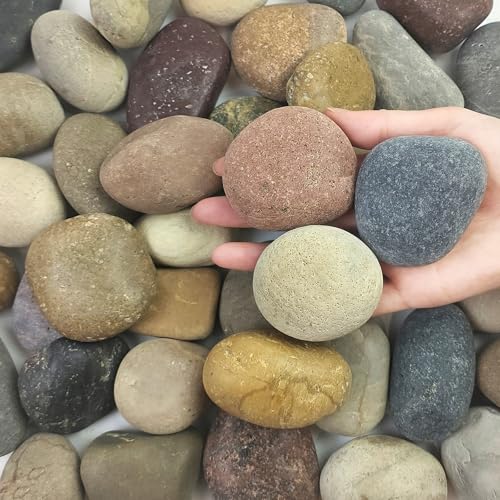
Smooth stones are a classic for clear glass. They are heavy, which makes them excellent for steadying tall or top-heavy stems, and they come in natural tones from pale to dark. They are easy to rinse and reuse. Their weight is also a drawback: a large quantity in a thin vase adds a lot of load, so make sure the vase is sturdy and sits on a stable surface.
Glass pebbles, gems and marbles
Glass fillers catch the light and suit modern or glamorous rooms. Clear and tinted versions look striking when the vase is lit from a window or lamp. They stack neatly and wash clean, but they can chip or crack, and they are not forgiving if dropped. Check listings for edges that look rough.
Gel and water beads
These small beads absorb water and swell, creating a colorful, jelly-like base that holds stems in place and keeps water available. They are popular for centerpieces because they look vivid. They need careful handling, though, and they are not suitable where small children or pets might reach them. See the safety section before choosing them, and always follow the instructions on the packaging.
Faux snow, sand and decorative grains
Fine fillers suit faux stems and seasonal displays, especially winter themes. They give a soft, textured look but can spill and be messy. They generally are not meant for use with fresh flowers and water, so check how the listing says to use them.
Natural fillers: wood, moss, pinecones, shells
Natural materials give a warm, organic look. Wood chips and branches suit rustic and Scandinavian rooms, shells suit coastal ones and pinecones suit autumn and winter. Dry fillers like these are best with dried or faux stems. If they will touch water, check that they will not break down or discolor it, and expect to replace them from time to time.
Decorative spheres, balls and orbs
Woven, wooden, ceramic or foam spheres fill a wide vase quickly and lightly. They suit a bowl-style vase and sit pleasingly in a pile. Because they are light, they do little to steady stems, so use them for display rather than support.
Branches, reeds and twigs
Rather than sitting at the bottom, these rise out of the vase and fill the space above. They suit tall vases and look good alone. Bundle several at different heights and let them lean naturally. Dried versions last a long time, but they can be brittle.
Lights and candles
A string of battery lights tucked into a clear vase glows softly and works with any filler. Small flameless candles can sit on top of a bed of stones in a wide vase. Both are a good way to make a display work in the evening.
| Filler | Holds stems steady? | Works with water? | Weight | Best suited to |
|---|---|---|---|---|
| Stones and pebbles | Yes | Yes | Heavy | Tall clear vases, fresh stems |
| Glass pebbles and marbles | Yes | Yes | Medium to heavy | Modern and glamorous styles |
| Gel or water beads | Yes | Needs water | Light until swollen | Colorful centerpieces, adult-only homes |
| Faux snow and grains | Somewhat | Usually no | Light | Faux stems, winter displays |
| Wood, moss, cones, shells | Somewhat | Check first | Light | Rustic, coastal, autumn looks |
| Decorative spheres | Little | Usually no | Light | Wide bowls, empty vases |
| Branches and reeds | Not applicable | Optional | Light | Tall vases, low-care displays |
| Lights and flameless candles | No | Keep dry unless rated | Light | Evening ambiance |
Matching a Filler to Your Vase and Stems
Start with the vase shape
Tall cylinders reward heavy fillers at the base and lots of vertical interest above. Wide, short bowls suit spheres, shells or moss. Narrow-necked bottle vases usually take only a little filler, and you will need to check that the pieces are small enough to go in and come out again. Square or irregular shapes may leave gaps at the corners, so choose fillers that settle without wedging.
Consider the stems
Fresh stems need clean fillers, and heavy ones help when blooms are large. Faux stems with wire bases often stand firmly in stones, grains or foam but can slide in marbles, so choose according to how the stems are built. Dried stems should stay dry, which rules out water-based fillers.
Think about the color story
A filler can echo the flowers, contrast with them or stay neutral. Neutral pale stones or clear glass let the stems do the talking. A bold filler turns the base into the main event, so keep the stems simple. When in doubt, keep the filler in the same color family as the vase or the room.
Check the scale
Pieces should be small enough to fill the base without large gaps, yet large enough that they will not slip into the neck of the vase or crowd tight stems. Look at the dimensions in the listing and compare them with the vase opening, and remember that a filler sold as a mix of sizes will pack more densely.
If you are starting from scratch, a bag of neutral decorative river stones is a simple foundation, while glass pebbles bring a lighter, brighter look.
How to Arrange Fillers Well
Start with a clean, dry vase. Pour the filler in gradually and shake gently so the pieces settle. If you are using more than one type, layer them: heavier pieces at the bottom, then a contrasting layer higher up, finishing with the lightest material at the top. Clear glass shows the layers, so a deliberate sequence looks designed, while a random mix looks accidental.
For flowers, add the filler first, then position stems one at a time, pressing each gently into place. Cut stems to the right length before they go in, because it is harder to adjust once they are surrounded by filler. For faux stems, bend the wire at the base slightly so it grips the material.
Leave some space between the filler and the rim. A vase filled to the brim looks heavy and leaves no room for water or movement. Stopping a few finger-widths below the opening usually looks right.
Seasonal and Style Ideas
Fillers are the quickest way to change the feel of a vase without buying a new one. Pale stones and soft greenery suit spring. Citrus slices, shells or bright glass beads feel like summer. Pinecones, small gourds or warm-toned moss suit autumn, and faux snow, silvery branches and small lights belong to winter.
By style, modern rooms favor clear glass with one color of filler and a few bold stems. Farmhouse rooms like wood, moss and dried stems. Coastal rooms suit sand-colored stones, shells and pale branches. Glamorous rooms lean toward mirrored or tinted glass, pearls and metallic accents. A vase holding only filler and branches is also a handy answer for the weeks when you have no fresh flowers.
If you like to add a glow, you can pair fillers with battery fairy lights sized for a vase, or place flameless candles on a bed of stones.
Cleaning and Care
Hard fillers such as stones and glass can usually be rinsed in warm water and left to dry, and doing so between uses keeps the water clear and fresh. If fresh flowers have been in the vase, wash the filler thoroughly afterward to remove any film. Dry everything well before storing so that no moisture is trapped.
Faux and dried arrangements need only occasional dusting. A soft brush or a gentle puff of air does the job. Natural fillers such as moss and wood can attract dust or pests if kept damp, so keep them dry and replace them when they look tired.
Water beads need special handling because they can swell, and you should follow the instructions on the packaging for use and disposal. Do not wash them down the drain. Always check current instructions for any filler before reuse.
Safety Considerations
Small pieces and children
Many fillers are small enough to be a choking hazard for young children. Keep marbles, beads, pebbles, shells and any small decorative items out of reach of toddlers and babies, or use a vase with a narrow opening placed well above the floor. If you have young children, a branch-only display is the safest choice.
Water beads and swallowing risk
Water beads expand in water and are a recognized concern if swallowed. Leave them out of homes with young children and keep them away from pets, and follow the warnings printed on the packaging. If you suspect that a child or animal has swallowed a filler of any kind, seek medical or veterinary advice immediately.
Weight, glass and stability
Heavy fillers add load. Use sturdy vases, place them on level surfaces away from edges and avoid pouring heavy stones into thin glass or into a vase that has a crack or chip. Glass fillers can chip and leave sharp edges, so check them periodically and replace damaged pieces.
Heat, flames and electrics
Dried stems, moss, wood and faux snow can burn, so keep them away from open flames and hot lamps. Choose flameless candles for displays that include natural or dried materials. If you add battery lights, keep the battery pack dry and accessible, follow the instructions for batteries and avoid mixing lights with water unless the product states it is designed for that.
Common Mistakes to Avoid
- Choosing a filler that is too small for the vase opening. Pieces can wedge in a narrow neck and be hard to remove.
- Using water-based fillers with dried stems. Moisture can ruin dried arrangements.
- Overloading a thin vase. Heavy stones in delicate glass invite cracks and accidents.
- Overfilling to the rim. It looks cramped and leaves no room for water.
- Mixing too many textures. Two fillers are usually plenty.
- Forgetting the audience. Small pieces and beads need thought in homes with small children or pets.
- Ignoring color against the stems. A loud filler can fight a bold bouquet.
- Skipping the clean-up. Unwashed filler clouds fresh water and carries odors forward.
Buyer Checklist
- Have I measured the height, widest point and opening of my vase?
- Will the pieces fit through the neck and still come out again?
- Do I need the filler to hold stems steady, or only to look good?
- Will I use it with water, fresh stems, faux stems or dried stems?
- Is the weight suitable for the vase and the surface underneath?
- Is the color a good match for the stems and the room?
- Are there children or pets who could swallow small pieces?
- Does the listing state the quantity or volume clearly, and have I estimated how much I need?
- Can I rinse and reuse it, or will it need replacing?
- Have I read the product instructions and any warnings on the listing?
- Is there a reasonable return policy in case the color is not what I expected?
For a natural alternative to stones, you can look at decorative spheres for a wide bowl, or dried branches for a tall vase.
Frequently Asked Questions
What can I put in a vase besides water?
Stones, glass pebbles, decorative spheres, moss, shells, pinecones, branches, reeds and battery lights are all common options. The best choice depends on whether you are using fresh, faux or dried stems and whether you want the vase to look full or simply stable.
What is the best filler for a clear glass vase?
Clean, smooth stones, glass pebbles or marbles are popular because they are tidy and wash easily. Pick pieces of a size that suits the vase and keep the color simple so the stems stand out.
How do I keep faux flowers upright in a vase?
Use a heavier or grippy filler such as stones, grains or foam, and bend the wire at the base of each stem slightly so it holds. Add the filler gradually, pressing stems into place as you go.
Can I use fillers with fresh flowers?
Yes, if the filler is clean and safe for water contact. Stones and glass are common choices. Rinse them between uses, change the water regularly and check the product instructions.
Are water beads safe to use?
They are a concern around young children and pets because they can be swallowed. Many households choose other fillers instead. If you use them, follow the packaging warnings and keep them well out of reach.
How much filler do I need?
It depends on the vase. Estimate by pouring dry rice or a similar item into the vase to see the volume you want to fill, then compare that with the quantity stated in the listing. Allow a little extra for settling.
How do I make an empty vase look full?
Add branches, reeds or dried stems for height, or fill a wide vase with decorative spheres, moss or shells. A single type of filler in a single color generally looks neat and intentional.
How do I clean vase fillers?
Rinse hard fillers in warm water, let them dry completely and store them in a covered container. Dust faux and natural items gently, and follow any specific care instructions that come with the product.
Bottom Line
Choose fillers that match your vase shape, your stems and your household. Stones and glass suit fresh flowers, light textured materials suit faux stems and branches suit tall, low-care displays. Measure the vase, check the quantity, keep small pieces and water beads away from children and pets, and keep flames away from dry materials. Because product details and instructions change, confirm current specifications before you buy.
Disclosure: As an Amazon Associate, we earn from qualifying purchases. Links marked as sponsored may earn us a commission at no extra cost to you.
More from Amazon
Programs that pair well with the guide above. Offers and eligibility are set by Amazon and may change.
Collect the home and kitchen items you want in one registry that guests can shop from.
Create a wedding registrySet up recurring deliveries of everyday items on eligible products. Terms and savings are set by Amazon.
Explore Subscribe & SaveFree shipping on eligible items, Prime Video and more. Eligible new members can start with a free trial.
Start a Prime free trialAudiobooks and podcasts to listen to on the go. Eligible new members can start with a free trial.
Try Audible freeAs an Amazon Associate we earn from qualifying purchases.