Our Top Picks
The best wireless TV speaker for most living rooms is a 30–38 inch soundbar with an HDMI eARC connection, a dedicated center channel for dialogue, and an optional 8-inch wireless subwoofer — a combination that usually costs $350–$700 and suits rooms from about 12 x 14 ft up to 14 x 18 ft. If you sit within 8 ft of the screen in a 10 x 12 ft apartment, a 24–30 inch bar with no sub will sound clearer and cost half as much.
“Wireless” Means Three Different Things on a TV Speaker
Before comparing models, separate the three ways the word is used, because only one of them affects audio delay:

Evinof 2.4G Wireless TV Speaker for Seniors, Bluetooth Speaker for TV
Chosen because it specifies Bluetooth Speaker for TV.
View on Amazon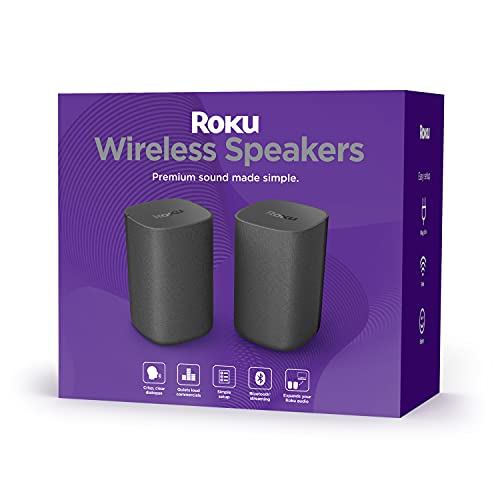
Roku Wireless Speakers, Set of 2 (Pack of 1)
Chosen because it specifies Set of 2 (Pack of 1).
View on Amazon
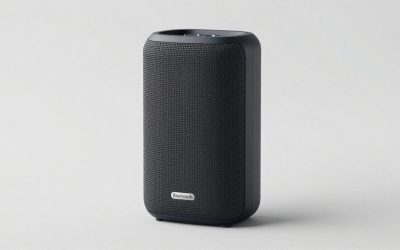
Bose TV Speaker - Soundbar for TV with Bluetooth and HDMI-ARC Connectivity, All-in-One Compact Soundbar, Includes Remote Control, Black
Chosen because it specifies Soundbar for TV with Bluetooth and HDMI-ARC Connectivity and All-in-One Compact Soundbar.
View on Amazon- Wireless subwoofer and rear speakers. The bar still connects to the TV with a cable; the sub and surrounds pair over a proprietary radio link. This is the most common meaning.
- Wireless music streaming. Wi-Fi or Bluetooth for phone and tablet playback, independent of TV audio.
- Fully wireless TV audio. Rare. Only brand-matched systems — for example a Roku TV paired with Roku Wireless Speakers, or a bar fed by the TV’s Bluetooth transmitter — pass TV sound with no cable at all. Everything else is cabled to the TV and wireless only outward.
If a cable-free setup is non-negotiable, your shortlist is much smaller than the “best wireless TV speakers” lists suggest, and Bluetooth latency becomes the deciding factor.
Dialogue Clarity: What Actually Moves the Needle
Dialogue sits between roughly 200 Hz and 4 kHz, so bass output is almost irrelevant to understanding speech. The features that matter are a genuine center-channel array (three or more drivers, not two woofers playing a phantom center), a speech or dialogue EQ mode, and app-based EQ you can adjust per input. Room correction — Sonos Trueplay, Bose ADAPTiQ, Samsung SpaceFit, Sony’s room calibration — helps in hard-floored rooms where reflections smear consonants. Brands with well-established dialogue modes include Sonos, Bose, Samsung, LG, Sony, JBL and Polk; Klipsch and SVS cover the same ground in their soundbar and powered-speaker lines.
Connection Types and the Delay Each One Adds
| Connection | Typical added delay | Audio it carries | TV remote controls volume? | Best for |
|---|---|---|---|---|
| HDMI eARC / ARC | 0 ms from the link; the TV’s own processing adds 20–100 ms, adjustable in the TV’s audio-sync menu | Uncompressed Dolby Atmos, TrueHD, DTS:X | Yes, over HDMI-CEC | The default choice for TV audio |
| Optical | 0 ms, plus whatever the TV adds | Dolby Digital 5.1, PCM 2.0 | Only if the bar learns your remote’s IR codes | TVs from about 2015 or older with no ARC port |
| Bluetooth | 100–250 ms standard; 40–80 ms with a low-latency codec | Compressed stereo | Sometimes, over AVRCP; volume steps are often coarse | Phones and tablets, not the first choice for TV |
| Wi-Fi (AirPlay 2, Chromecast built-in, Spotify Connect, DTS Play-Fi) | 30–100 ms in a single app; 150–300 ms across multiroom groups | Up to lossless stereo, Atmos on some models | Via the app, or via CEC if the bar is also cabled | Music streaming and multiroom audio |
| Proprietary wireless (brand-matched TV and speakers) | 20–40 ms | Manufacturer’s own codec, stereo or virtual surround | Yes, with the TV’s own remote | Same-brand setups where you want zero cables |
Fixable lip-sync problems are almost always TV-side: look for “Digital Audio Out Delay,” “AV Sync” or “Lip Sync” in the TV’s sound menu, and for a matching slider in the speaker’s app. Bluetooth TV output is the exception — most TVs give you no delay adjustment there, which is why a Bluetooth-only setup is the most common source of visible lag.
Matching Bar Length and Subwoofer Size to Your Room
| Room | Seating distance | Bar length | Subwoofer | System price range |
|---|---|---|---|---|
| 10 x 12 ft (120 sq ft) apartment or bedroom | 6–8 ft | 24–30 in | None, or 6.5–8 in for movie impact | $200–$450 |
| 12 x 14 to 14 x 18 ft (170–250 sq ft) | 8–10 ft | 30–38 in | 8 in, ported | $350–$700 |
| 15 x 20 ft or larger (300+ sq ft) | 10–14 ft | 40–48 in | 10–12 in | $700–$1,600 |
| Open plan with vaulted ceiling (400+ sq ft) | 12–16 ft | 48 in or more, or separate speakers with an amp | 12 in, or two smaller subs | $1,200–$2,500 |
Bar length is a rough proxy for driver count and stereo separation: below 30 in, left and right channels sit close enough together that the soundstage collapses, which matters more for music than for news.
Volume Range: How Much Headroom You Need
Manufacturers rarely publish sound pressure levels, and amplifier wattage is not comparable across brands. As a practical guide, compact bars deliver roughly 85–90 dB at one meter, mid-size bars with a sub reach 95–100 dB, and large multi-driver systems with rear speakers hit 100–105 dB. A 10 x 12 ft room needs only about 70–75 dB average with 85 dB peaks for movies, so a small bar is not the compromise people assume. Headroom matters in large or open rooms, where you are 12 ft or more from the speakers and the room itself swallows several decibels.
Subwoofer Options
- Drivers built into the bar. Usually 2.5–4 in, with little output below 60 Hz. Fine for news and sitcoms, thin for action films.
- Brand-matched wireless sub. The simplest path — Sonos Sub, Bose Bass Module 500 and 700, and the wireless subs bundled with Samsung, LG, Sony, JBL and Vizio bars. No setup beyond pairing, but you cannot swap brands later.
- Third-party sub via an RCA sub-out. Found on some bars and on powered speaker pairs such as KEF LSX II or Audioengine’s wireless models. A sealed 10-inch sub in the SVS SB-1000 Pro class typically runs $500–$700 and will outperform most bundled subs, provided the bar has a crossover control.
- Apartment reality. A 6.5–8 in sub placed 6–12 in from a wall adds roughly 3–6 dB of low bass through corner loading; that is usually enough, and it is also what travels through shared walls. Corner placement plus a hot gain setting is the classic cause of neighbor complaints.
Remote Compatibility: Will Your TV Remote Still Work?
With HDMI eARC, volume control passes over HDMI-CEC — Anynet+ on Samsung, Bravia Sync on Sony, SimpLink on LG, VIERA Link on Panasonic. One remote, no programming. Over optical, the TV remote cannot control the bar unless the bar learns your remote’s IR codes, a feature listed as “IR learning,” “TV remote setup” or “remote learning” in the manual. Bars with a three-channel design often include an IR repeater so the TV’s own remote still reaches the TV when the bar sits in front of it. On a Roku TV, Roku Wireless Speakers respond to the Roku remote natively but will not work with other brands. If your TV lacks CEC entirely, budget for a third-party universal remote, and check that it lists your bar’s brand before buying.
Decision Matrix: Pick by Situation
| Situation | Prioritize | What to look for | Budget range |
|---|---|---|---|
| Small apartment, shared walls | Dialogue clarity at low volume | 24–30 in bar, night mode, 6.5–8 in sub or none | $200–$400 |
| Renter who moves every year or two | Light, no drilling | Bar under 8 lb, optical plus HDMI, IR-learning remote | $180–$350 |
| Family room, movie nights | Headroom and real surround | 40 in or larger bar, wireless sub, wireless rear speakers | $700–$1,600 |
| TV older than 2015 (no ARC port) | Working volume control | Optical input plus an IR-learning remote | $150–$300 |
| Hard-of-hearing viewer, or lots of mumbled dialogue | Center-channel output and EQ | Three-channel bar with a true center array, speech mode, app EQ | $300–$600 |
Fit, Weight, and Installation Realities
Measure before you buy. Bars are typically 2–3.5 in tall, and TV stand shelves often leave only 2.5–4 in of clearance — a bar that blocks the TV’s IR sensor or its pedestal base means moving the TV up or wall-mounting the bar. Bars weigh 3–9 lb, so a wall mount rated for 20 lb is ample; use studs or toggle anchors rated for at least four times the bar’s weight. Subwoofers weigh 15–35 lb and belong on the floor, never on a shelf. Expect wireless sub pairing to work within roughly 30 ft line of sight; a sub behind a sofa in a corner is usually fine, but a sub in a closed cabinet is not.
FAQ
Can I just use a Bluetooth speaker as a TV speaker?
You can, but standard Bluetooth adds 100–250 ms of delay, and most TVs offer no lip-sync correction on their Bluetooth output. Use it for podcasts and music; keep a cabled connection for anything with faces on screen.
Does a subwoofer improve dialogue clarity?
No — and a sub turned up too high can make dialogue harder to follow by masking the lower midrange. Dialogue clarity comes from the center channel, the speech EQ and the room correction, not from bass extension.
How far can a wireless subwoofer sit from the soundbar?
Proprietary links generally hold within about 30 ft with clear line of sight. Thick walls, metal shelving and Wi-Fi congestion at 2.4 GHz shorten that range noticeably.
Do I need eARC, or is regular ARC enough?
Regular ARC handles Dolby Digital 5.1 and is fine for most streaming. eARC adds uncompressed Atmos and TrueHD, which matters only if your TV and your streaming sources actually pass those formats.