Key takeaways
- Read the laminate warranty and care sheet before buying or using a steam mop.
- Vacuum first; trapped grit is a bigger scratch risk than light everyday dust.
- Use a fresh, dry microfiber pad and change it as soon as it feels damp or dirty.
- Keep windows open or run ventilation so moisture does not linger around plank seams.
What's inside
Laminate flooring can look beautifully understated under the right light: its grain catches a soft glow, while its smooth surface keeps a room feeling calm and open. But that same layered construction makes it less forgiving than tile or sealed stone. Excess moisture, lingering heat, or water pushed into plank joints can cause swelling, edge damage, and a permanently dull finish.
This guide approaches steam mops from both a cleaning and ambience perspective. You’ll learn when steam is appropriate for laminate, which features matter most, how to use a mop without flooding the floor, and which of the listed models may suit different homes. Always check your flooring manufacturer’s care instructions first; many laminate brands do not approve steam cleaning, even when a product is marketed for hard floors.
As an Amazon Associate we earn from qualifying purchases.




🛒 Best Price Today on Amazon
Prime members get fast, free shipping on everything above, plus member-only deals. New members get a 30-day free trial — cancel anytime.
Our Recommended Picks
1. Confirm That Steam Is Allowed
The best steam mop for laminate floors is not necessarily the hottest or most powerful model—it is the one your flooring warranty permits you to use. Laminate is typically made from a wood-based core beneath a printed decorative layer and protective wear layer. Steam can migrate through seams, soften adhesives, or leave moisture trapped beneath the planks.
Look for explicit approval from the laminate manufacturer, not merely a retailer’s “multi-surface” description. If steam is allowed, choose the lowest effective setting and keep the mop moving. If the care guide says “no steam,” use a barely damp microfiber mop instead. That approach is less dramatic, but it is far safer for preserving the floor’s sheen and the room’s clean, even visual texture.
2. Match the Mop to Your Cleaning Routine
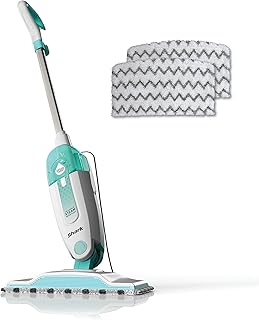
For occasional maintenance on approved sealed hard floors, a simple model such as the Shark S1000 Steam Mop is appealing. Its removable tank, lightweight design, and washable Dirt Grip pads keep the setup uncomplicated. It is a sensible choice for smaller homes or anyone who prefers a quiet, controlled cleaning routine over a large accessory kit.
The BISSELL PowerFresh 1940A adds variable steam, a 12-inch cleaning path, and an easy scrubber for stubborn marks. That wider head can make open-plan rooms quicker to cover, although a broad mop is not automatically better for laminate: you still need to avoid repeated passes over one seam or allowing the pad to become saturated.
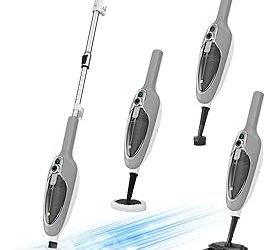
If you want one machine for floors and occasional above-floor jobs, an 11-in-1 Steam Mop with a handheld mode, long cord, and three steam settings offers flexibility. Multi-purpose designs are useful in utility areas, but their extra tools do not make steam suitable for unapproved flooring. Treat the laminate setting as the deciding feature, not the number of attachments.
3. Prioritize Moisture Control and Pad Design
Laminate care rewards restraint. A mop should produce enough vapor to loosen residue without leaving a wet trail. Adjustable steam is therefore more valuable than maximum temperature, particularly in rooms with visible plank joints or low natural ventilation. A swivel head helps you steer around furniture while maintaining short, overlapping passes.
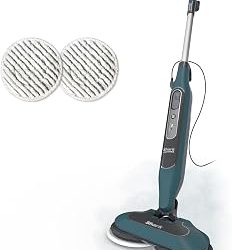
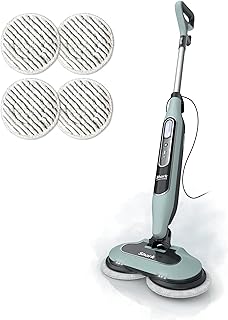
Soft, clean microfiber pads are essential. They lift dust and residue without grinding grit across the wear layer. The Shark Steam & Scrub S8001 includes soft scrub pads, LED headlights, swivel steering, and a larger tank. Those features may be attractive for busy households, but the powered scrubbing action deserves caution on laminate: use only the gentlest setting approved by the floor manufacturer and stop if the pad leaves excess moisture.
Washable pads are more economical and help maintain a consistent finish, but inspect them before every session. A pad that has collected sand, pet litter, or grit can act like fine sandpaper. Keep separate pads for bathrooms, kitchens, and living spaces when possible.
4. Consider Versatility Without Losing Control
Detachable handheld models can be convenient for grout, glass, fabric refreshment, and small kitchen tasks. The listed 10-in-1 Steam Mop has a 350 ml tank, quick heat-up, two-level control, and a swivel head. It may suit a home where the floor is only one part of the cleaning schedule, provided its lowest output is gentle enough and the laminate is steam-approved.
Another multi-purpose option is the Steam Mop for Floor Cleaning with Handheld Steamer and Accessories. Its accessory set may be useful around pet areas and hard surfaces, but be skeptical of broad claims such as “chemical-free” or near-total stain removal. No steam mop can replace prompt spill cleanup, proper vacuuming, or a manufacturer-approved laminate cleaner. For a home with children or pets, the most meaningful benefit is avoiding unnecessary fragranced residue—not a guarantee that every stain or germ will disappear.
5. Use the Right Technique
Vacuum or sweep first, using a soft floor setting to remove grit. Fill the tank with the water recommended by the manufacturer; distilled water may help reduce mineral deposits where it is permitted. Test the mop in an inconspicuous area, then select the lowest setting that produces a lightly damp—not wet—pad.
Work in small sections and keep the head moving continuously. Do not park a hot mop on the floor, repeatedly steam one joint, or leave standing water behind. Afterward, allow the surface to dry with ventilation. From a lighting standpoint, inspect the floor in both daylight and side light from a lamp: streaks, cloudy patches, or raised edges are easier to spot at a low angle than beneath overhead lighting.
Tips
- Read the laminate warranty and care sheet before buying or using a steam mop.
- Vacuum first; trapped grit is a bigger scratch risk than light everyday dust.
- Use a fresh, dry microfiber pad and change it as soon as it feels damp or dirty.
- Keep windows open or run ventilation so moisture does not linger around plank seams.
Frequently Asked Questions
Can I use a steam mop on all laminate floors?
No. Some manufacturers approve carefully controlled steam, while others specifically prohibit it. The flooring warranty and care instructions take priority over the mop’s packaging.
What steam setting is safest for laminate?
If steam is approved, use the lowest effective setting and make quick, continuous passes. The floor should be left lightly damp at most, with no visible beads or puddles.
Is a steam mop better than a spray mop?
Not universally. A steam mop can loosen certain residues without detergent, but a well-wrung microfiber spray mop is often the safer choice for laminate that is not steam-approved. Cleaning gently and regularly matters more than using heat.
Which listed model is best for a small laminate area?
The Shark S1000 is a straightforward option because it is lightweight and simple to control. For larger spaces, the BISSELL PowerFresh 1940A offers a wider cleaning path, while the multi-purpose models make more sense when you will genuinely use their handheld accessories.
Conclusion
The best steam mop for laminate floors in 2026 is the one compatible with your flooring, capable of low-moisture cleaning, and easy to keep moving. Favor adjustable output, soft washable pads, a manageable head, and clear water control over exaggerated heat or accessory counts. When in doubt, choose a damp microfiber mop instead—the most beautiful laminate is flooring that stays level, clean, and quietly reflective for years.