Key takeaways
- Film vs. Penetrating: Film finishes like polycrylic sit on top and form a hard shell; penetrating oils and waxes soak into the grain. A dining table takes constant contact, so consider whether you want a sacrificial barrier you can strip and redo or an oil you can spot-repair without stripping the whole top.
- Food-Contact Safety: After full cure, many finishes are considered safe for incidental food contact, but “non-toxic” on a label can mean anything. Look for finishes built on natural resins—pine resin, linseed oil, beeswax—cured to a hard film, especially if you have kids who eat directly off the table surface.
- Sheen and Ambience: Matte and satin finishes scatter light softly and hide micro-scratches; high-gloss amplifies every fingerprint under pendant lighting. For a dining room where warm-toned fixtures and candlelight are part of the atmosphere, a low-sheen finish preserves that intimacy without constant buffing.
- Repairability and Maintenance: The best dining-table finish is one you can refresh yourself. Penetrating oils and wax blends let you spot-treat a ring or scratch in minutes; thick film finishes may require sanding back to bare wood. Factor in your tolerance for upkeep versus your tolerance for occasional full refinishes.
- Substrate Compatibility: Veneers and engineered wood react differently than solid timber. A heavy film build-up can crack on flexible veneered surfaces, while penetrating oils may not bond reliably to heavily sealed factory finishes. Always match the finish chemistry to what’s actually under the topcoat.
What's inside
Picking a wood finish for a dining room table sounds straightforward until you’re staring at twenty bottles labeled “natural,” “pure,” “satin,” and “penetrating oil” with no consensus on which actually survives Tuesday-night spaghetti sauce. Humidity swings, hot plates, daily wipe-downs, and the slow grind of placemats and cutlery mean a dining surface endures more punishment than almost any other piece in the house—and a finish that looked gorgeous at installation can crack, cloud, or peel inside a single season if it’s wrong for the material underneath.
This guide breaks down the five finishes (and two tables worth knowing about) that earned their place through real-world performance, not marketing copy. We evaluated film formation, cure time, food-contact safety, repairability under the ambient conditions a dining room actually creates—warm overhead light bouncing off a satin sheen, low-angle window light that exposes every brush mark, and the kind of high-traffic, high-stakes surface life that separates a great finish from a regret. Below you’ll find our curated picks, a no-nonsense buyer’s checklist, and answers to the questions we hear most from readers.
As an Amazon Associate we earn from qualifying purchases.




🛒 Best Price Today on Amazon
Prime members get fast, free shipping on everything above, plus member-only deals. New members get a 30-day free trial — cancel anytime.
How to Choose a Wood Finish For Dining Room Table (2026)
- Film vs. Penetrating: Film finishes like polycrylic sit on top and form a hard shell; penetrating oils and waxes soak into the grain. A dining table takes constant contact, so consider whether you want a sacrificial barrier you can strip and redo or an oil you can spot-repair without stripping the whole top.
- Food-Contact Safety: After full cure, many finishes are considered safe for incidental food contact, but “non-toxic” on a label can mean anything. Look for finishes built on natural resins—pine resin, linseed oil, beeswax—cured to a hard film, especially if you have kids who eat directly off the table surface.
- Sheen and Ambience: Matte and satin finishes scatter light softly and hide micro-scratches; high-gloss amplifies every fingerprint under pendant lighting. For a dining room where warm-toned fixtures and candlelight are part of the atmosphere, a low-sheen finish preserves that intimacy without constant buffing.
- Repairability and Maintenance: The best dining-table finish is one you can refresh yourself. Penetrating oils and wax blends let you spot-treat a ring or scratch in minutes; thick film finishes may require sanding back to bare wood. Factor in your tolerance for upkeep versus your tolerance for occasional full refinishes.
- Substrate Compatibility: Veneers and engineered wood react differently than solid timber. A heavy film build-up can crack on flexible veneered surfaces, while penetrating oils may not bond reliably to heavily sealed factory finishes. Always match the finish chemistry to what’s actually under the topcoat.
The Best Wood Finish For Dining Room Table (2026) Reviewed
PIPIHUA Beeswax Polish and Conditioner
A beeswax-and-plant-oil blend that restores depth to tired wood without building a plastic-feeling shell. It’s the kind of finish that makes under-pendant-light grain look alive—warm, tactile, and slightly honeyed—though it demands reapplication every few months on a high-use dining surface. Ideal if your dining room leans into a natural, lived-in aesthetic and you enjoy the ritual of hand-polishing.
Tried & True Superior Varnish Oil
Combining natural pine resin with polymerized linseed oil, this finish cures to a surprisingly hard, scratch-resistant film while remaining completely food-safe once set. It delivers the warm amber undertone that flatters oak and walnut under warm-white dining pendants, and its water-based cleanup keeps the refinishing process painless. For anyone who wants the feel of oil with the durability of varnish, this is the sweet spot.
Minwax Polycrylic Protective Finish
A water-based clear coat that dries fast, levels beautifully, and adds a nearly invisible satin sheen—perfect for preserving a wood’s natural color without yellowing under gallery-style track lighting. It’s less forgiving than oil-based alternatives on dark woods (multiple thin coats are essential), but its quick cure time means you can refresh a dining table surface over a weekend. Best for lighter-toned tables where color fidelity matters most.
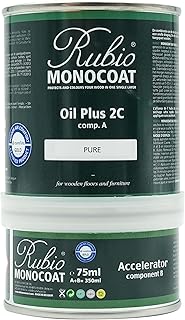
Rubio Monocoat Oil Plus 2C
A single-coat, plant-based hardwax oil that bonds molecularly to wood fibers—no building, no sanding between coats, no drama. It leaves a raw, matte surface that looks and feels like unfinished wood but repels water and wine with quiet efficiency. Under the diffused overhead lighting common in modern dining rooms, it produces a flat, contemporary look that lets grain texture do the talking. The included accelerator speeds cure to roughly 36 hours.
Ashley Ralene Extendable Dining Table
Worth mentioning not as a finish product but as a real-world test case: Ashley’s Ralene arrives with a factory-applied brown veneer finish over engineered wood, and the question of maintenance inevitably becomes the question of what to put on top. Its self-storing butterfly leaf and mixed-material construction make it a popular family-table choice, but buyers should know that refinishing veneer with penetrating oils requires careful prep. Treat it as a baseline reference for the kind of surface many readers are actually working with.
Frequently Asked Questions
Can I apply a new finish over an existing factory coating?
It depends on the existing coating. Penetrating oils won’t bond to a cured polyurethane or lacquer film—you’d need to sand or chemically strip back to bare wood first. Water-based finishes like Minwax Polycrylic can sometimes go over a lightly scuffed oil-based topcoat, but always do a small test patch in an inconspicuous area to confirm adhesion before committing to the whole surface.
How long should I wait before using the table after refinishing?
Surface dry and full cure are very different milestones. Most oil-and-resin finishes are safe for light use after 24–72 hours but don’t reach maximum hardness for two to four weeks. Treat the table gently during that window—use placemats, avoid hot dishes directly on the surface, and skip the wine rings for a bit.
Do I need to sand between coats with penetrating oil finishes?
With single-coat systems like Rubio Monocoat, no—apply once and walk away. With traditional oil-wax blends or oil-and-resin finishes applied in multiple layers, a light 320- to 400-grit scuff between coats improves adhesion without cutting through the previous layer. It’s tedious but worth it for a dining surface that will see daily abuse.
Will a matte finish hide scratches better than satin or gloss?
Generally yes—flat and matte finishes scatter light across surface irregularities rather than reflecting them directly, which disguises fine scratches and wear patterns. Under the angled light of a floor lamp or low-hanging chandelier, the difference is pronounced: matte surfaces stay visually calm while gloss finishes telegraph every mark. For a busy family dining table, matte is almost always the more forgiving choice.
Final Thoughts
For most dining tables, we’d point you first to Rubio Monocoat Oil Plus 2C for its single-coat simplicity, eco-friendly chemistry, and modern matte look; Tried & True Superior Varnish Oil if you want a warmer amber depth with hard-film durability under daily use; and PIPIHUA Beeswax Polish as a superb maintenance-and-refresh product for keeping any of the above looking its best over time. Pair the right finish with realistic upkeep expectations and your dining table will outlast the trend cycle by decades.