Key takeaways
- Profile Height: Bunk beds typically need mattresses between 5 and 8 inches thick — anything taller pushes guardrail clearance below safe thresholds and visually crowds the sleeping loft, throwing off the room’s spatial rhythm.
- Cooling Performance: Upper bunks trap rising heat with nowhere for it to escape. Prioritize gel-infused memory foam or green tea–infused layers that actively pull warmth away from the sleeper’s contact surface.
- Certifications: CertiPUR-US and OEKO-TEX labels confirm the foam and textiles are free from harmful off-gassing chemicals — a critical factor in enclosed bunk configurations where ventilation is limited.
- Firmness Balance: Medium-firm tends to be the sweet spot for growing bodies — soft enough to relieve pressure at shoulders and hips, firm enough to maintain spinal alignment on a slatted bunk base without bottoming out.
- Fiberglass-Free Construction: Always verify the cover system is fiberglass-free. This matters disproportionately in a bunk setup where a child may sleep inches from the mattress surface without a box spring as a barrier.
What's inside
When a child’s bunk bed carries the wrong mattress, the entire bedroom ecosystem shifts — proportions feel off, rest gets disrupted, and a space meant to feel safe starts working against you. For parents furnishing shared rooms, compact guest nooks, or bunk setups where guardrail clearance is measured in narrow margins, finding a twin mattress that fits the frame without creating lumps, gaps, or premature sag is a surprisingly maddening puzzle. Thickness, density, and material all collide in a space where every fraction of an inch matters.
As someone who designs residential environments for living and rest, I obsess over how every surface in a room contributes to its atmosphere — including the one hidden beneath the sheets. The right bunk bed mattress doesn’t just fit; it establishes the physical foundation of how a space performs at night. I evaluated six top-rated options on cooling behavior, support architecture, safety certifications, and real-world bunk compatibility so you can choose with clarity.
As an Amazon Associate we earn from qualifying purchases.



🛒 Best Price Today on Amazon
Prime members get fast, free shipping on everything above, plus member-only deals. New members get a 30-day free trial — cancel anytime.
How to Choose a Twin Bunk Bed Mattress (2026)
- Profile Height: Bunk beds typically need mattresses between 5 and 8 inches thick — anything taller pushes guardrail clearance below safe thresholds and visually crowds the sleeping loft, throwing off the room’s spatial rhythm.
- Cooling Performance: Upper bunks trap rising heat with nowhere for it to escape. Prioritize gel-infused memory foam or green tea–infused layers that actively pull warmth away from the sleeper’s contact surface.
- Certifications: CertiPUR-US and OEKO-TEX labels confirm the foam and textiles are free from harmful off-gassing chemicals — a critical factor in enclosed bunk configurations where ventilation is limited.
- Firmness Balance: Medium-firm tends to be the sweet spot for growing bodies — soft enough to relieve pressure at shoulders and hips, firm enough to maintain spinal alignment on a slatted bunk base without bottoming out.
- Fiberglass-Free Construction: Always verify the cover system is fiberglass-free. This matters disproportionately in a bunk setup where a child may sleep inches from the mattress surface without a box spring as a barrier.
The Best Twin Bunk Bed Mattress (2026)s Reviewed
Zinus 5 Inch Cooling Essential Memory Foam
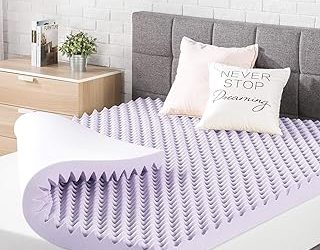
The Zinus Cooling Essential hits a design note I respect — its 5-inch profile keeps bunk proportions clean while the medium feel provides enough contouring without swallowing the sleeper into the foam. CertiPUR-US and OEKO-TEX certifications ensure no unwelcome chemical haze drifting through a small bedroom, making it a dependable baseline pick for any bunk configuration.
5 Inch Cooling Gel Memory Foam Twin
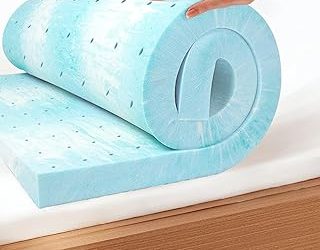
This gel-infused option brings credible cooling performance to a budget-conscious tier. Its fiberglass-free build and kid-safe certifications address the two non-negotiables in a child’s bunk, while the medium-firm density holds its shape well on standard slatted frames without the bottoming-out you’d expect at this price point.
MLILY Twin Mattress 5 Inch
Manufactured in the USA with green tea gel embedded in the foam layers, the MLILY distinguishes itself through cooling chemistry and even pressure distribution. At 75 by 38 inches it fills a standard twin frame edge to edge with zero gap, and the CertiPUR-US certification rounds out a thoroughly considered package for long-term daily use on a bunk.
Zinus 6 Inch Narrow Twin Foam & Spring
By pairing foam with innerspring coils in a hybrid build, this Zinus model delivers a more responsive, buoyant feel than all-foam alternatives — a quality that matters when a sleeper shifts positions on a narrower bunk surface. The extra inch of height suits taller guardrail systems, and the dual-material construction adds resilience for permanent installations in RVs, trundles, or everyday bunks.
FDW 5 Inch Twin Gel Memory Foam
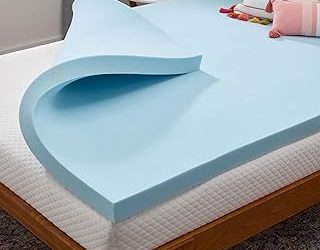
The FDW’s dual-layer construction and removable washable cover make it a practical standout for families navigating the inevitable spills and accidents of a child’s sleeping space. The gel memory foam handles heat dissipation competently, and at five inches it slides into tight bunk tolerances without sacrificing the support a developing body needs.
Frequently Asked Questions
What mattress thickness is best for a bunk bed?
Most bunk bed manufacturers recommend a mattress between 5 and 6 inches for the top bunk to maintain proper guardrail clearance. An 8-inch option works on the bottom bunk or on frames engineered with taller safety rails — always verify your specific bed’s specifications before purchasing.
Are memory foam mattresses safe for kids on bunk beds?
Yes, provided they carry CertiPUR-US certification and are fiberglass-free. These standards confirm the foam doesn’t release harmful VOCs, which matters more in enclosed bunk configurations where a child breathes close to the mattress surface throughout the night.
How do I know if a mattress fits my bunk bed frame?
Standard twin bunk frames accept a 38-by-75-inch mattress. Measure the interior dimensions of your frame — accounting for slat overhang or lip — and compare against the mattress specifications before ordering, especially if you’re considering a narrow or RV-specific model.
Do I need a box spring for a bunk bed mattress?
No. Bunk beds are engineered to support a mattress directly on built-in slat systems. Adding a box spring would exceed safe height limits and compromise structural integrity. A thin bunkie board is perfectly fine if your slats are spaced wider than three inches apart.
Final Thoughts
For the strongest balance of cooling, profile, and kid-safe construction, the Zinus 5 Inch Cooling Essential earns the top recommendation. The MLILY 5 Inch is a close runner-up thanks to its green tea gel advantage, and the Zinus 6 Inch Narrow Twin Hybrid is the right call if you need the added durability of a foam-and-spring build for a bottom bunk or compact living space.