Key takeaways
- Surface Texture and Light Reflection: Matte fabrics like corduroy or woven polyester absorb light softly, creating a warm, grounded feel. Faux leather reflects overhead and accent lighting more aggressively—great for a sleek look, but it can read cold or clinical without layered lighting to balance it.
- Frame Profile and Shadow Footprint: A futon with exposed legs or a slim base lets light pass underneath, visually expanding the room. Chunky skirted or boxy frames cast heavy shadows that shrink a space, especially under a single overhead fixture.
- Backrest Adjustability: Multiple recline positions let you tune the seating angle to match your room’s light sources. Leaning toward a window during the day feels intentional; upright facing a wall at night feels like a waiting room.
- Folded Dimensions and Placement Flexibility: Measure the futon in its flat, bed-mode footprint before you buy. In small rooms, a sleeper that extends even five inches beyond your clearance zone will block pathways and trap furniture in awkward dead zones.
- Weight Capacity and Cushion Density: Higher weight ratings (600–700 lbs) typically indicate denser foam that resists the sagging effect that cheap futons develop within months. Dense foam also holds its shape under different lighting angles rather than looking deflated and uninviting.
What's inside
Small apartments and multipurpose rooms present a furniture puzzle that most shoppers underestimate. You need a piece that sleeps comfortably, looks intentional during the day, and doesn’t absorb every ounce of available light in an already tight footprint. Too many futons solve one of those problems while sabotaging the others—bulky frames that swallow floor space, dark upholstery that turns a studio into a cave, or stiff padding that photographs well but collapses after a week.
As someone who designs lighting and ambience for compact living spaces, I evaluate futons through a different lens than most reviewers. The right piece isn’t just functional—it shapes how light moves through a room, how inviting a corner feels at golden hour, and whether a guest actually wants to sleep on it. This guide ranks six leading convertible futons for small spaces in 2026, focusing on how each one performs as both a daytime seating surface and an after-dark sleeper.
As an Amazon Associate we earn from qualifying purchases.


🛒 Best Price Today on Amazon
Prime members get fast, free shipping on everything above, plus member-only deals. New members get a 30-day free trial — cancel anytime.
How to Choose a Small Space Futon (2026)
- Surface Texture and Light Reflection: Matte fabrics like corduroy or woven polyester absorb light softly, creating a warm, grounded feel. Faux leather reflects overhead and accent lighting more aggressively—great for a sleek look, but it can read cold or clinical without layered lighting to balance it.
- Frame Profile and Shadow Footprint: A futon with exposed legs or a slim base lets light pass underneath, visually expanding the room. Chunky skirted or boxy frames cast heavy shadows that shrink a space, especially under a single overhead fixture.
- Backrest Adjustability: Multiple recline positions let you tune the seating angle to match your room’s light sources. Leaning toward a window during the day feels intentional; upright facing a wall at night feels like a waiting room.
- Folded Dimensions and Placement Flexibility: Measure the futon in its flat, bed-mode footprint before you buy. In small rooms, a sleeper that extends even five inches beyond your clearance zone will block pathways and trap furniture in awkward dead zones.
- Weight Capacity and Cushion Density: Higher weight ratings (600–700 lbs) typically indicate denser foam that resists the sagging effect that cheap futons develop within months. Dense foam also holds its shape under different lighting angles rather than looking deflated and uninviting.
The Best Small Space Futon (2026)s Reviewed
COMHOMA 72″ Convertible Futon
At 72 inches, this futon hits a sweet spot—wide enough for two to sit comfortably but compact enough to anchor a studio wall without overwhelming it. The breathable black fabric absorbs ambient light evenly, which makes it a forgiving backdrop for warm-toned floor lamps or string lights. The adjustable backrest with multiple recline angles means you can dial in a posture that actually catches light from a side window instead of facing a blank wall.
Futon Sofa Bed Chair
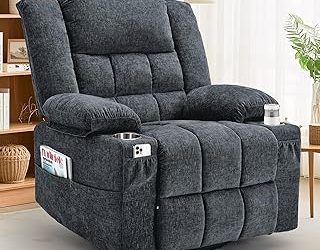
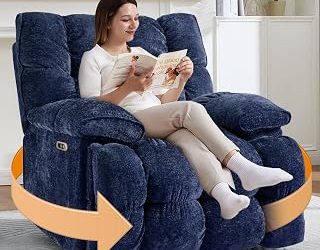
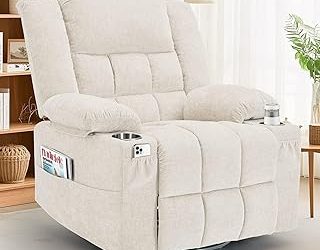
Worth a look if your space is truly microscopic. This no-assembly convertible arrives ready to deploy, which matters when your apartment entrance doesn’t accommodate box logistics. The breathable, moisture-wicking fabric makes it a smart pick for rooms that double as workout spaces—no funky odor buildup under a desk lamp’s concentrated warmth. It reads more as a oversized recliner than a traditional futon, but that slim profile means it barely disturbs a room’s light flow.
MeMoreCool 59″ Boneless Couch Bed
The corduroy texture on this loveseat is a standout at its price point—the ridges catch directional light in a way that flat-weave fabrics simply cannot, adding visual depth to an otherwise plain corner. At 59 inches it’s the smallest option here in seating mode, yet it opens to a surprisingly usable 59×71-inch sleeping surface. The 700-pound capacity reflects genuinely dense padding underneath, so it holds up as an every-night sleeper rather than an occasional guest solution.
Gizoon 3-in-1 Convertible Sofa Bed
The grey upholstery on the Gizoon acts as a neutral canvas, reflecting just enough light to keep a room from feeling dim without the glare that glossy black faux leather produces. Five adjustable positions give you real control over silhouette height—lowering the backrest reduces the futon’s visual mass and lets overhead fixtures wash the entire room more evenly. It’s a pragmatic choice for anyone who wants the futon to disappear into the room’s design rather than dominate it.
Furmax Leather Futon Sofa Bed
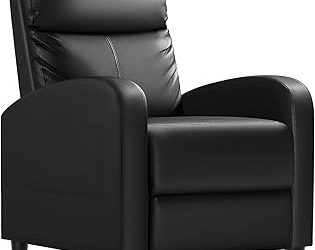
Faux leather demands thoughtful lighting placement, but the Furmax rewards the effort. Position a warm side lamp within arm’s reach and the reclined surface catches a rich, inviting sheen that elevates the entire seating area. The built-in cup holders and adjustable recline make it a genuinely comfortable movie-night piece, and the compact loveseat footprint means it won’t dominate a small living room’s sight lines. Just pair it with soft, diffused lighting to avoid the harsh reflection that cheaper faux leather can produce.
Frequently Asked Questions
Will a futon actually support sleeping every night?
Models rated for 600 pounds or above—like the MeMoreCool and COMHOMA—use denser foam cores designed for nightly use. Lighter-rated futons with thinner cushions are better suited for occasional guests, as their padding compresses within weeks of continuous use.
How do I make a futon look good in a small room with poor lighting?
Choose a lighter-toned fabric like the Gizoon’s grey or add a textured throw over a dark surface. Matte fabrics diffuse light more generously than leather, so pairing a cloth futon with a warm-toned floor lamp or a clip-on reading light can transform a dim corner without any renovation.
Do faux leather futons get uncomfortable in warm rooms?
They can retain heat, especially under direct overhead lighting. Models like the COMHOMA with breathable woven fabric handle warm environments more gracefully. If you prefer the leather look, pair the futon with cross-ventilation—a desk fan or an open window near the seating area offsets the material’s tendency to trap warmth.
What size futon fits in a room under 100 square feet?
Anything in the 55-to-72-inch range works as a seating piece, but always verify the fully flat sleeping dimensions against your floor plan. The MeMoreCool at 59 inches is the most space-efficient when folded out, while the COMHOMA at 72 inches requires you to have at least six feet of clear floor length for overnight use.
Final Thoughts
For most small-space shoppers, the MeMoreCool 59″ Boneless Couch Bed offers the best balance of compact footprint, real sleeping comfort, and texture that actually adds character to a room. The COMHOMA 72″ earns the top spot if you need a genuine two-person seating width with reliable ergonomics. And if your space demands the cleanest possible lines with the least visual weight, the Gizoon’s adjustable profile and neutral grey tone make it the easiest futon to live around every day.