Key takeaways
- Power source: Electric ceramic and PTC heaters require shore power or a robust inverter, while propane units like the Mr. Heater Little Buddy operate off-grid — decide based on whether you boondock or stay plugged in.
- Wattage and BTU output: A 1,500W electric heater produces roughly 5,100 BTU, enough to warm a 200-square-foot RV interior; propane units rated at 3,800 BTU cover a smaller radius but function without electricity.
- Safety certifications and features: Look for UL or ETL listing, tip-over shutoff, and overheat protection as non-negotiables — in a space this small, a unit that falls or overheats becomes an immediate hazard.
- Noise level: Anything under 40dB won’t compete with a refrigerator compressor or rain on the roof, which matters if the heater runs overnight next to your sleeping area.
- Footprint and portability: A low-profile base with a stable center of gravity handles road vibrations better, and built-in handles or slim tower profiles make storage between trips far easier.
What's inside
Shopping for an RV space heater in 2026 means wading through hundreds of nearly identical listings, each claiming to be the quietest, safest, or most efficient option for your rig. The reality is that portable heaters for tight living quarters behave differently than those designed for standard bedrooms — wattage limits, propane versus electric trade-offs, oscillation patterns in narrow corridors, and safety certifications all matter more when you’re sleeping twelve feet from a fuel source.
As someone who designs lighting and ambience for compact interiors, I evaluate heaters less like appliances and more like atmosphere tools: how does the heat distribute, how much noise does the unit introduce into a small sonic environment, and does the physical footprint compete with the limited counter or floor real estate you’re already negotiating? This guide distills that lens into practical picks, covering five models that genuinely perform inside an RV cabin, plus a buying framework to help you match a heater to your specific setup.
As an Amazon Associate we earn from qualifying purchases.




🛒 Best Price Today on Amazon
Prime members get fast, free shipping on everything above, plus member-only deals. New members get a 30-day free trial — cancel anytime.
How to Choose an RV Space Heater (2026)
- Power source: Electric ceramic and PTC heaters require shore power or a robust inverter, while propane units like the Mr. Heater Little Buddy operate off-grid — decide based on whether you boondock or stay plugged in.
- Wattage and BTU output: A 1,500W electric heater produces roughly 5,100 BTU, enough to warm a 200-square-foot RV interior; propane units rated at 3,800 BTU cover a smaller radius but function without electricity.
- Safety certifications and features: Look for UL or ETL listing, tip-over shutoff, and overheat protection as non-negotiables — in a space this small, a unit that falls or overheats becomes an immediate hazard.
- Noise level: Anything under 40dB won’t compete with a refrigerator compressor or rain on the roof, which matters if the heater runs overnight next to your sleeping area.
- Footprint and portability: A low-profile base with a stable center of gravity handles road vibrations better, and built-in handles or slim tower profiles make storage between trips far easier.
The Best RV Space Heater (2026)s Reviewed
DREO Portable Electric Heater (Gold Edition)
This upgraded DREO model pushes warm air with a PTC ceramic core at a whisper-quiet 34dB, which is perceptibly softer than most RV refrigerators on their cooling cycle. The 5-mode thermostat, 12-hour timer, and remote control make it a set-it-and-forget-it solution for overnight use, while the gold finish reads more intentional inside a curated interior than typical matte-black plastic.
Xtreme Heaters Boat & Cabin RV Heater
Purpose-built for marine and RV environments, the Xtreme Heaters unit sits almost flush to the floor with a wide, low-profile base that resists tipping even on uneven surfaces. Its top-air intake design prevents carpet and bedding fibers from being drawn into the element, and the quiet operation keeps the sonic footprint minimal in tight cabins.
GiveBest Smart Wall Heater
The GiveBest model is the only wall-mounted option in this roundup, which frees up floor space entirely — a genuine advantage in RVs where every square foot counts. Alexa integration and a 24-hour timer let you schedule warmth around your travel routine, and the adjustable thermostat prevents the cycling spikes that drain batteries when you’re running on inverter power.
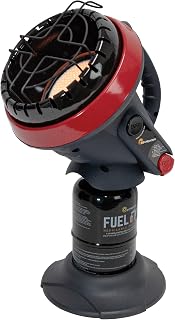
Mr. Heater Little Buddy Portable Radiant
This single-burner propane unit delivers 3,800 BTU of radiant heat without needing a single watt of electricity, making it the go-to choice for off-grid camping in cold months. The tip-over shutoff and oxygen depletion sensor address the ventilation concerns inherent to propane use indoors, though you’ll need to keep a window cracked and a battery-powered CO detector nearby.
Lasko Ceramic Tower Heater
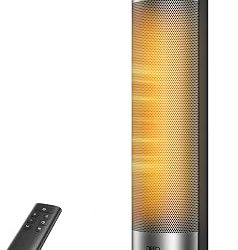
Lasko’s tower design moves warm air across a wider arc than compact desktop units, and its built-in handle plus oscillation mode make it practical for heating the length of an RV from a single outlet. The thermostat and timer are straightforward, and the taller profile elevates the heat source above floor level where it circulates more naturally through the living space.
Frequently Asked Questions
Can I run a 1,500W electric heater on a 20-amp RV circuit?
Yes — 1,500W draws roughly 12.5 amps at 120V, which fits within a 20-amp breaker with headroom for the RV’s baseline load. Avoid sharing that circuit with a microwave or coffee maker to prevent tripping.
Is it safe to leave an RV space heater running overnight?
Ceramic and PTC heaters with overheat shutoff and tip-over protection are generally safe for overnight use, provided the unit sits on a flat, non-flammable surface with adequate clearance on all sides. Propane heaters require a functioning CO detector and at least partial ventilation.
Do propane heaters produce moisture inside an RV?
Yes — combustion generates water vapor, which in a sealed RV interior contributes to condensation on windows and walls. Electric PTC heaters produce no moisture, which is a meaningful advantage in humid climates or poorly ventilated rigs.
What is the most energy-efficient type of RV space heater?
PTC ceramic heaters self-regulate their element temperature, which reduces wasted energy compared to resistance-coil designs. Propane units convert fuel to heat at roughly 90% efficiency, but the true cost comparison depends on local electricity rates versus propane pricing at your travel destinations.
Final Thoughts
For most RV owners who stay plugged in, the DREO Gold Edition offers the best balance of quiet operation, precise temperature control, and compact design. Off-grid travelers should look seriously at the Mr. Heater Little Buddy for its fuel flexibility and zero electrical demand. And if floor space is your most precious resource, the GiveBest Smart Wall Heater reclaims that real estate entirely while keeping warmth accessible through smart-home scheduling.